
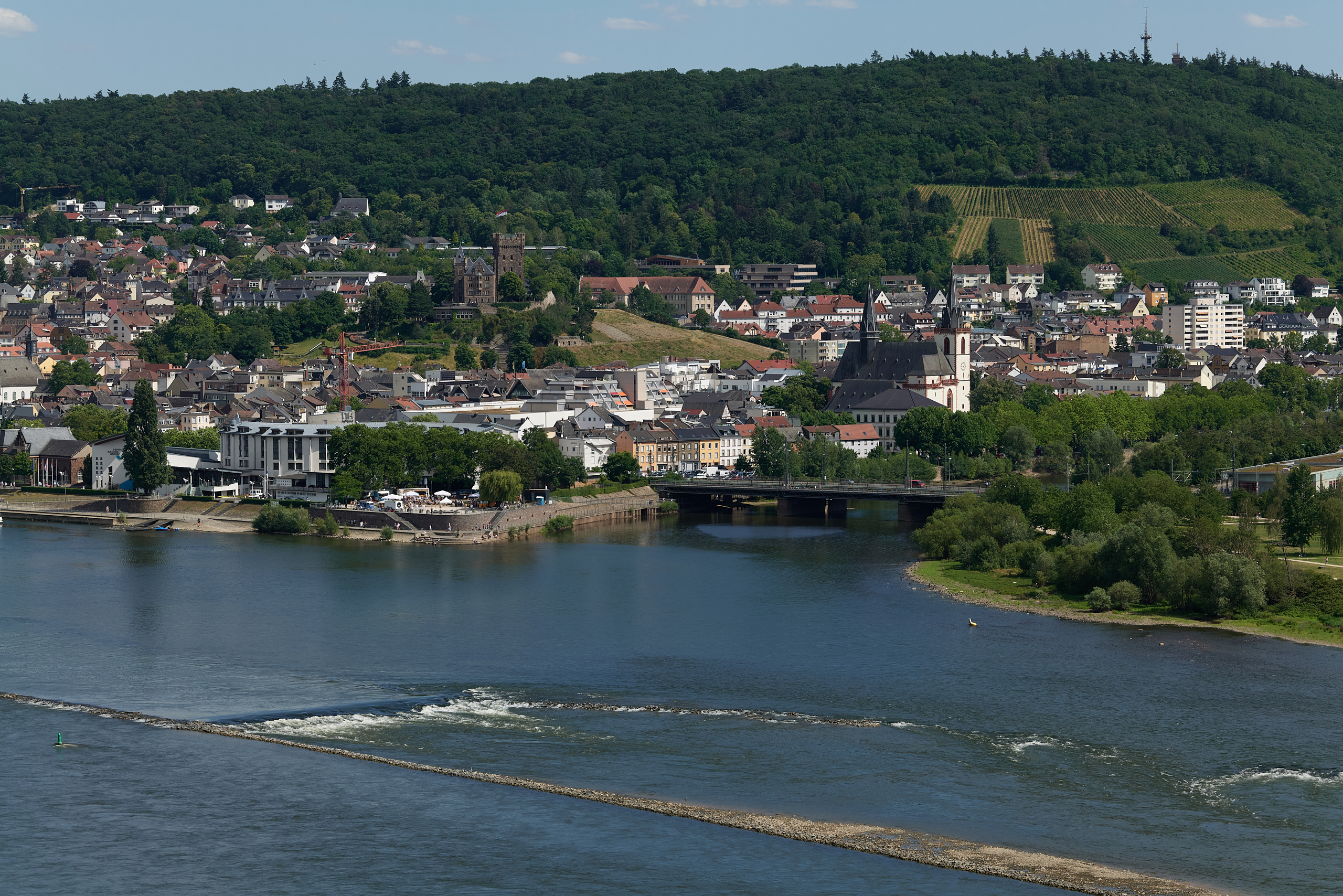
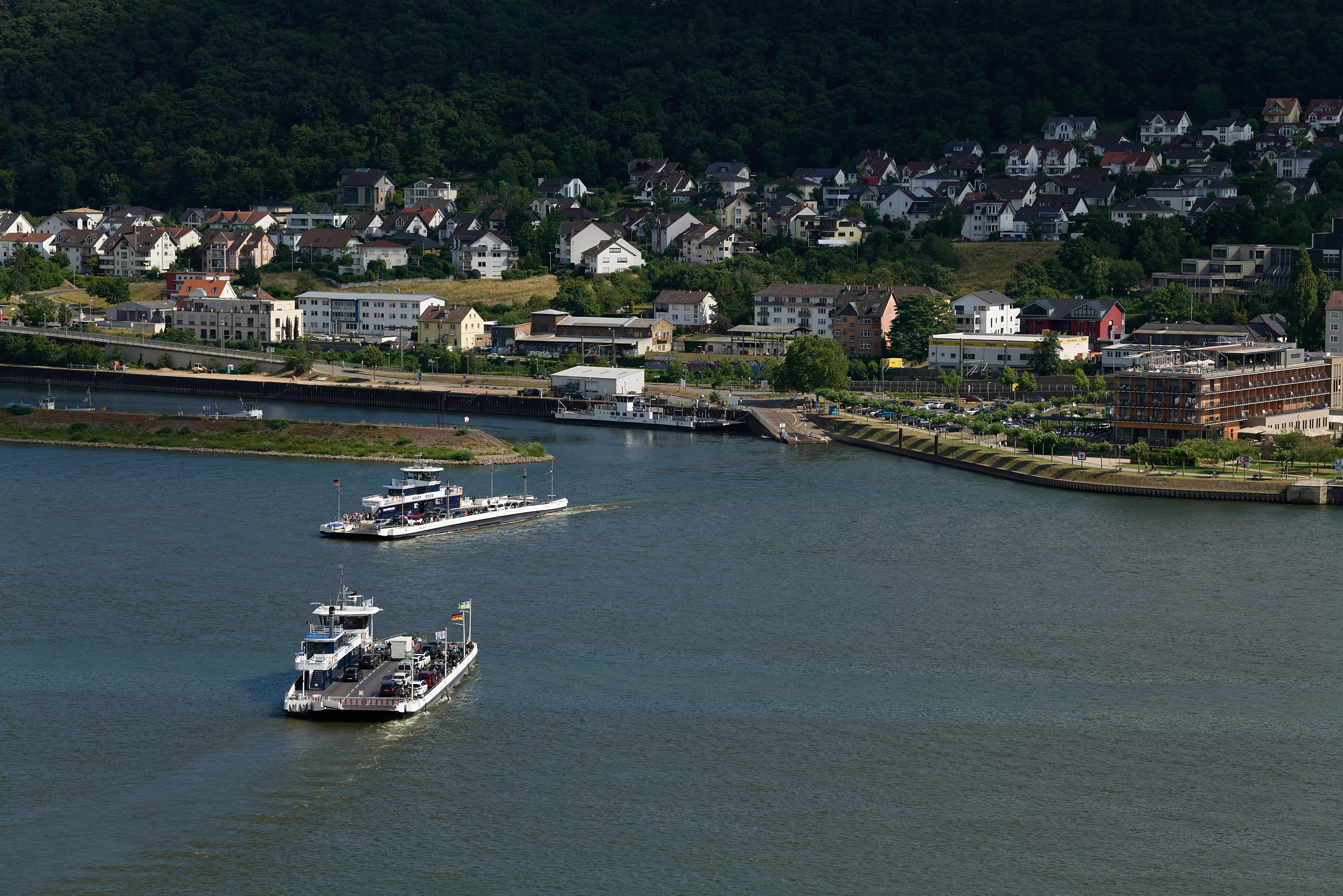
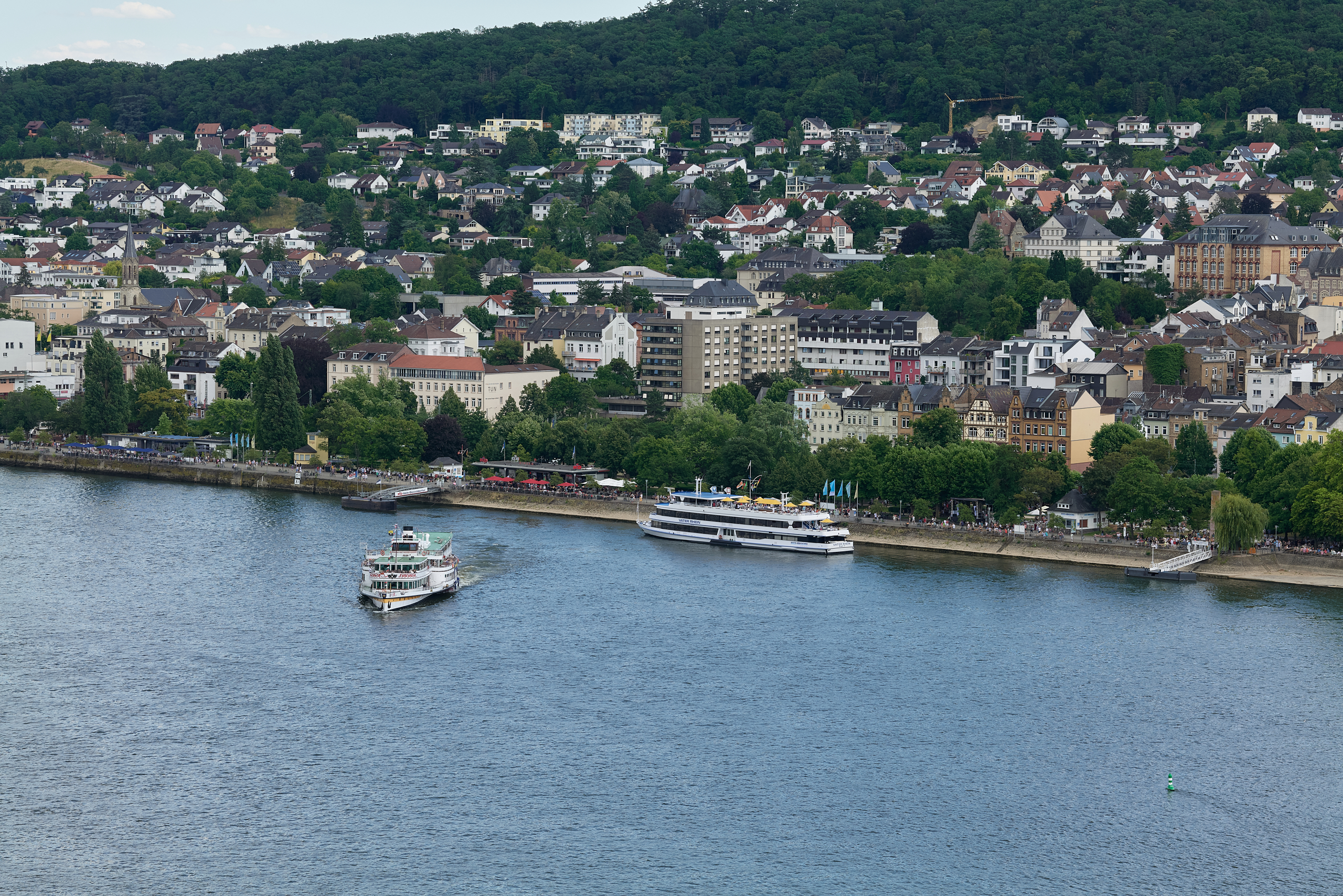
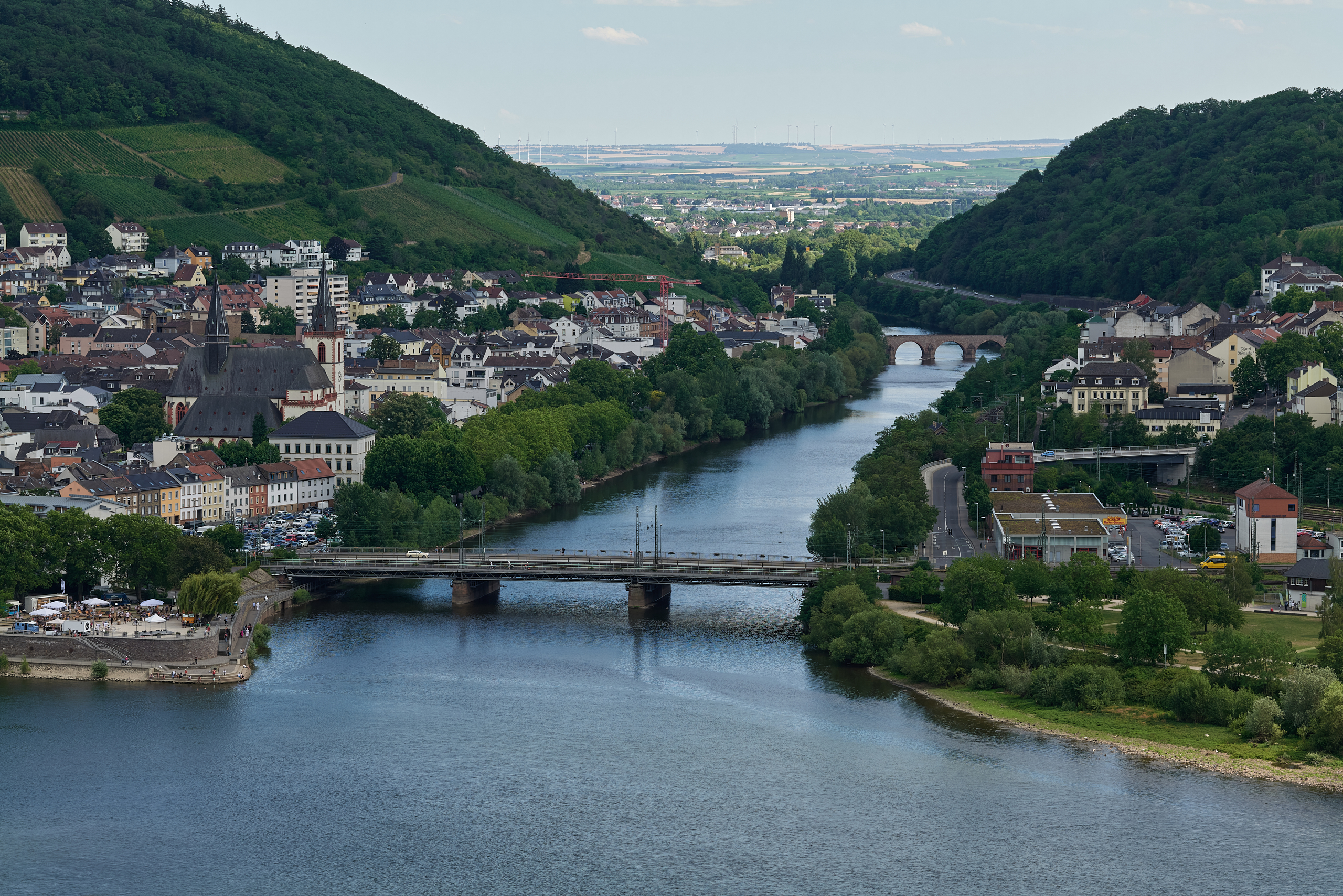
Bingen on the Rhine is a city where the river ruled longer than people did. Here the Nahe flows into the Rhine, and the current narrows between rocks into a passage – the “Binger Loch,” once a dangerous whirlpool. Ships had to move with caution, waiting for favorable wind and an experienced pilot, for the vortex could spin even a strong vessel and drag it under. Until the 19th century, this stretch was considered the most treacherous along the Middle Rhine, and only after engineering works was the channel made safer. Yet if you stand on the embankment today and watch the water flow, it is easy to imagine the force the river still held here just two centuries ago.
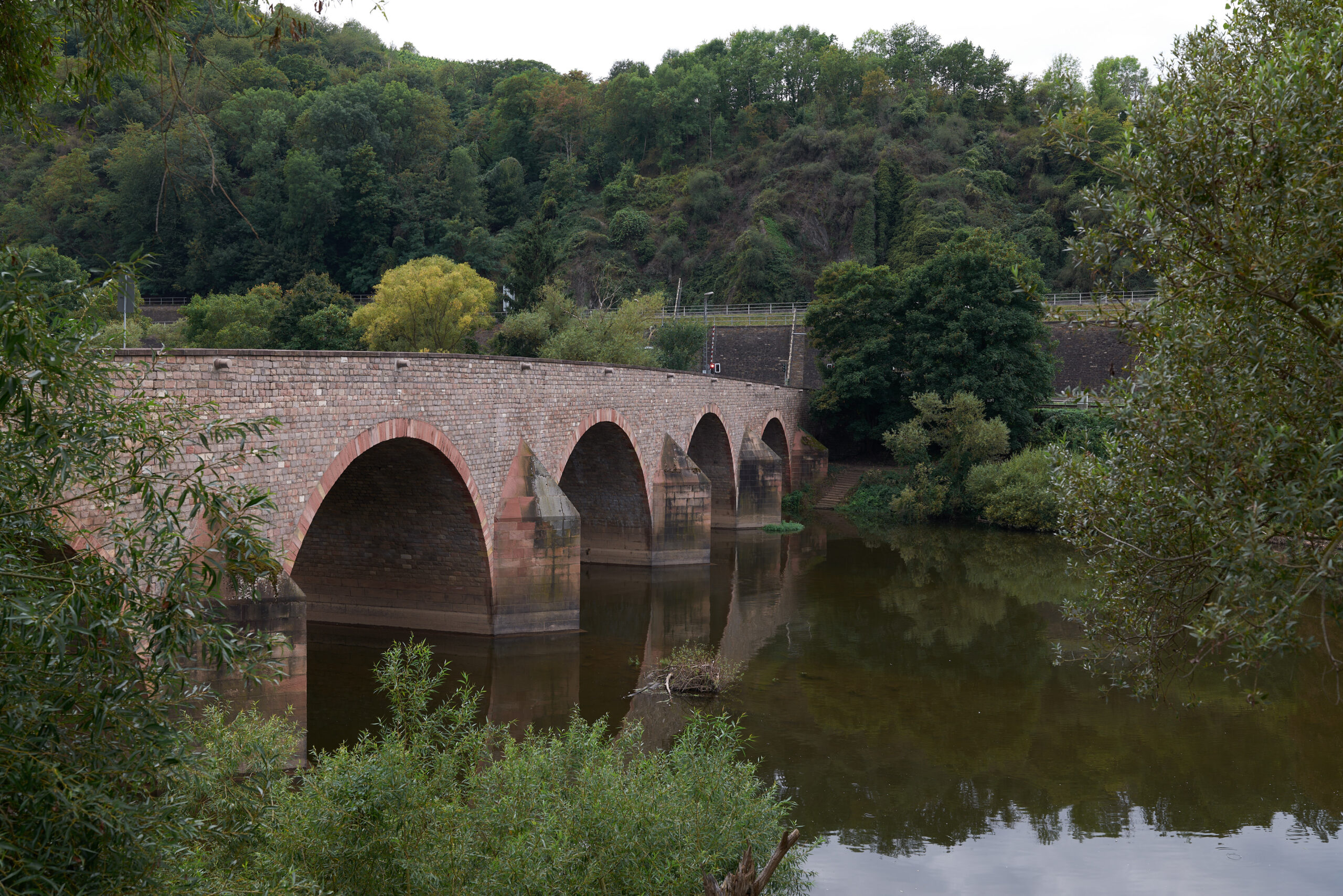
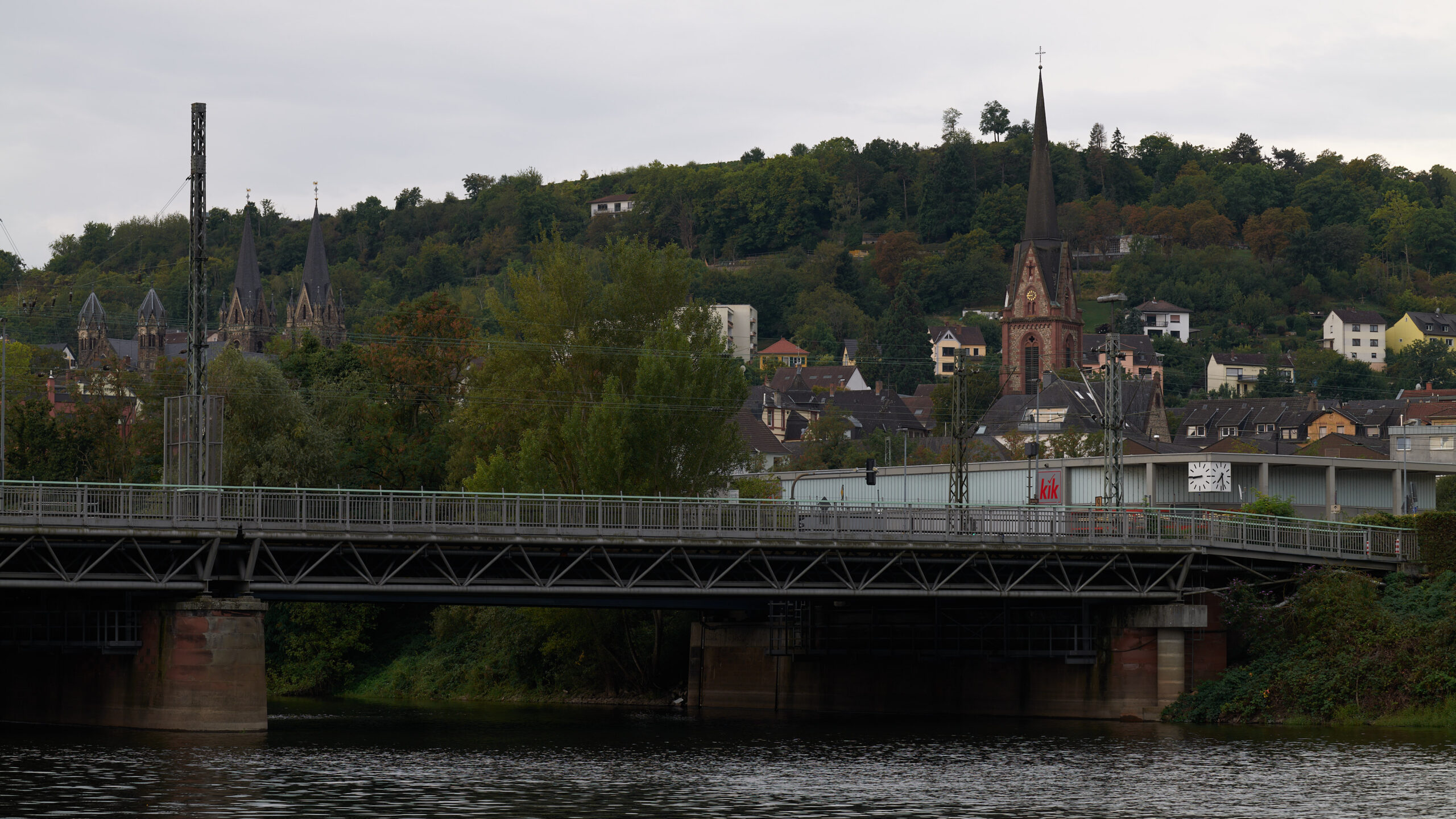
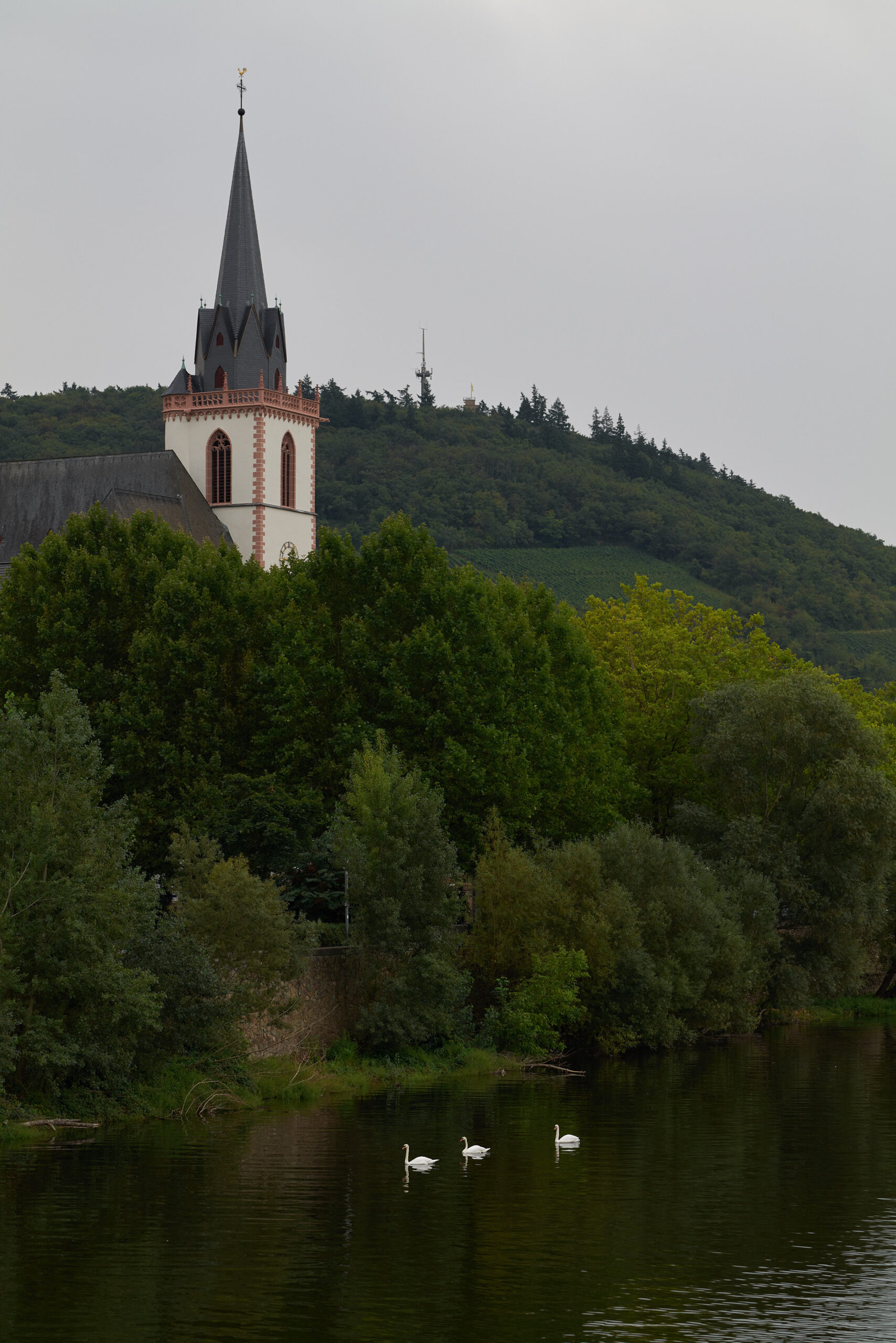
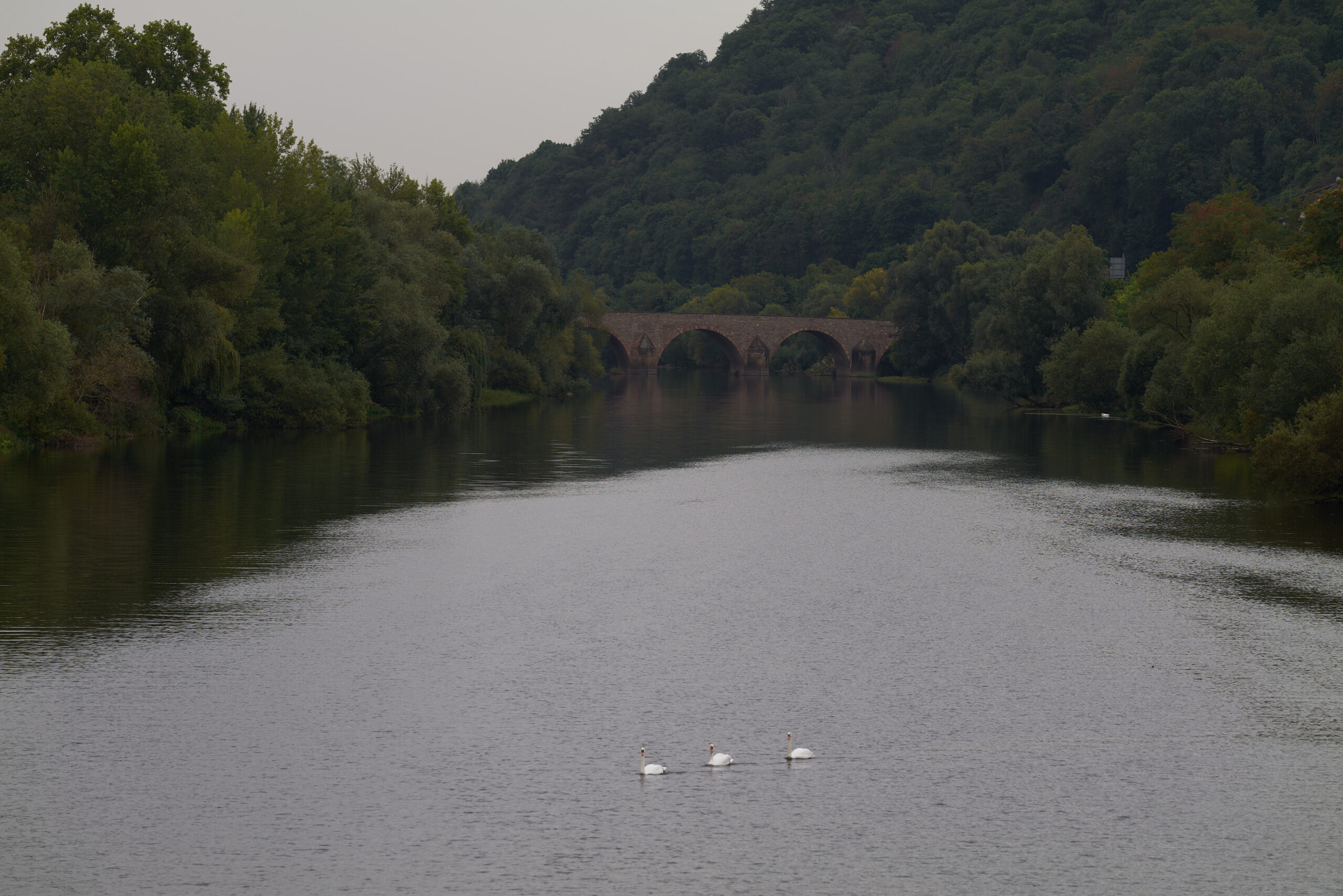
Bridges and crossings are the first witnesses of Bingen’s history. The stone bridge over the Nahe, the “Drusus Bridge,” recalls Roman times, though its present form dates from the Middle Ages and later reconstructions. One of its piers hides a tiny chapel – almost invisible, but a reminder of how people sought to tame the river not only with skill but also with prayer.
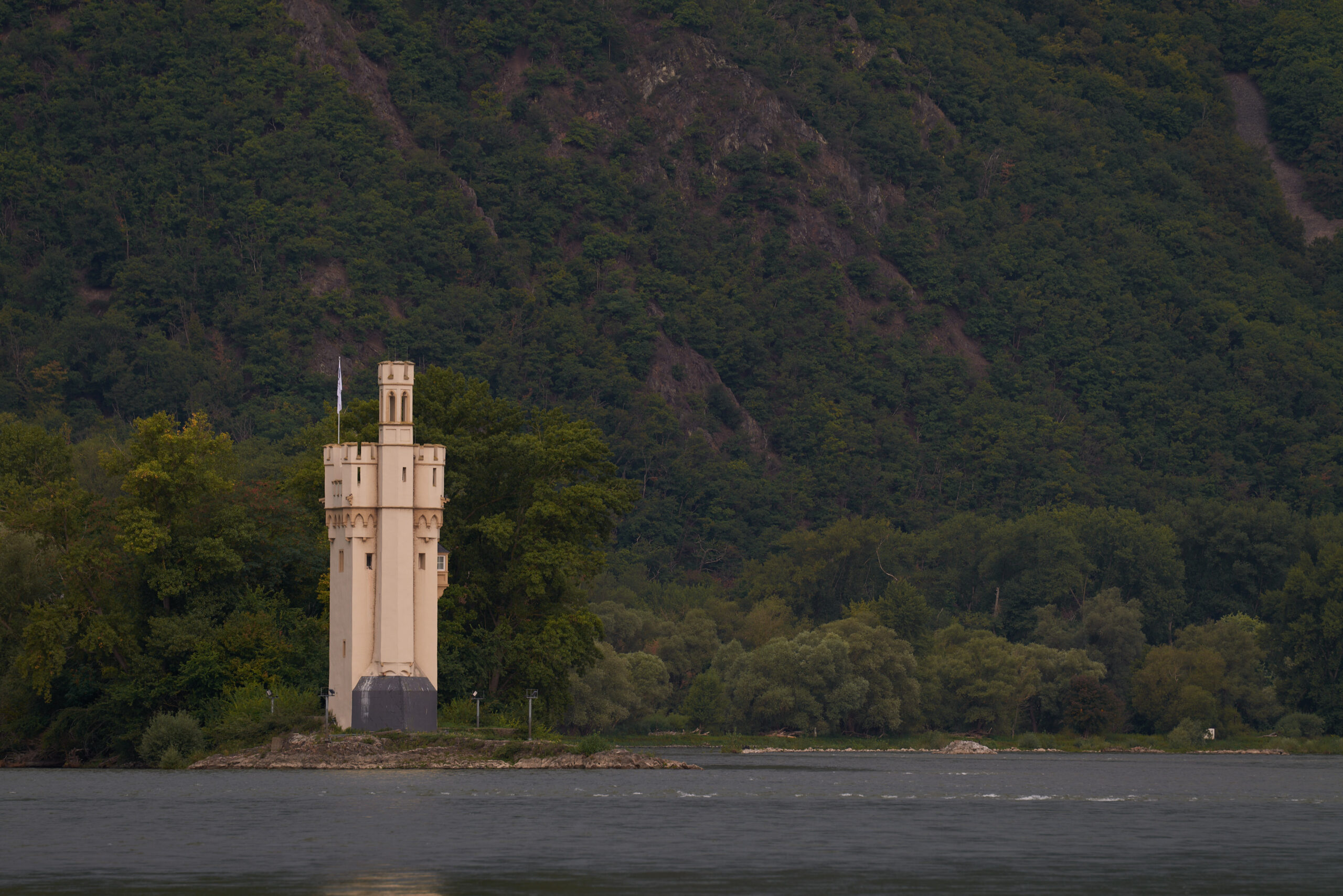
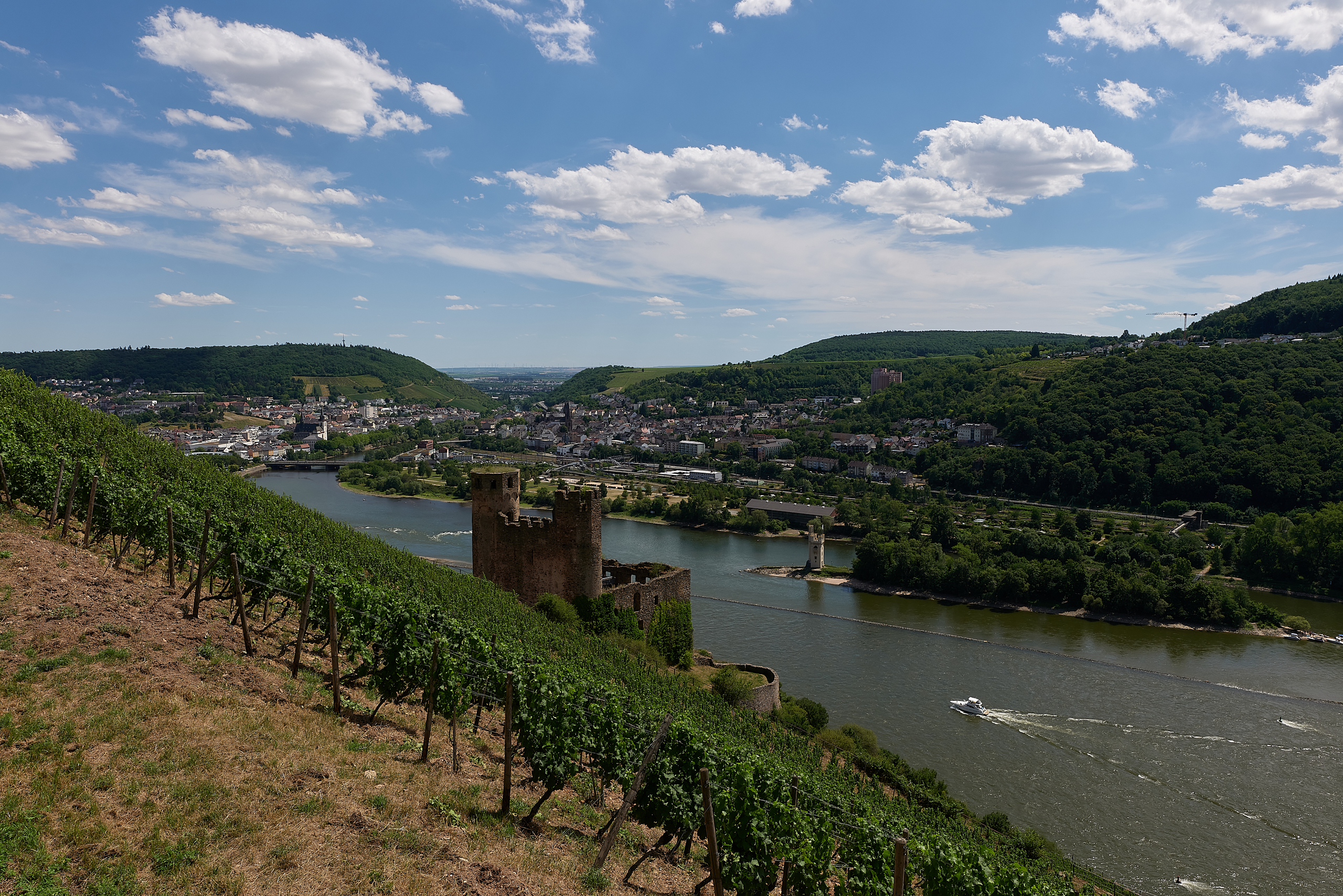
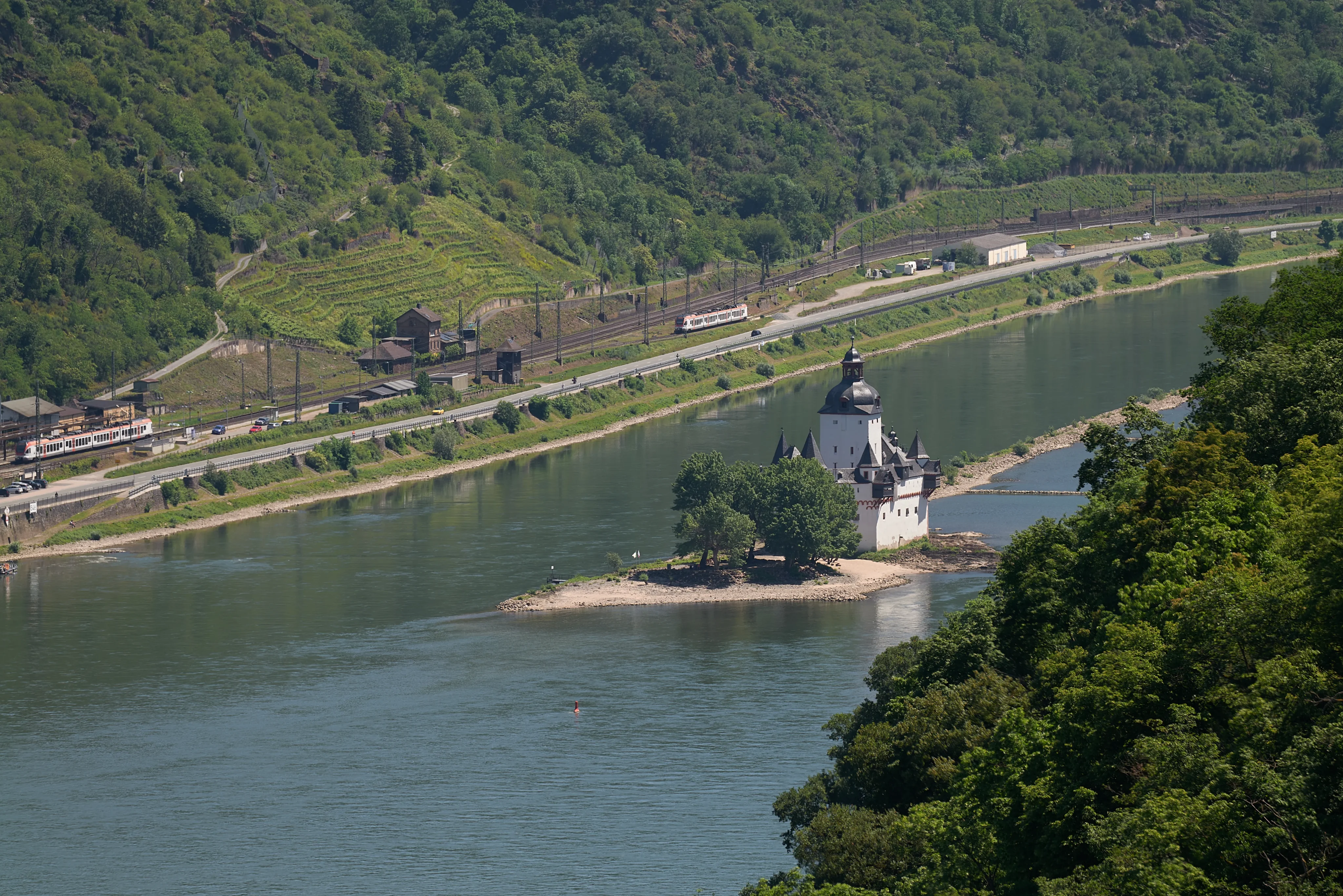
Further downstream rises the Mouse Tower, the Mäuseturm. Today it is more a symbol than a fortress. Its stark outline on the islet is known to every ship that passes. The legend of the greedy Archbishop Hatto, devoured by mice, is a fine tale, yet in truth the tower served as a customs and watch post, overseeing vessels precisely where the Binger Loch churned. The story was tied to it later, in the Romantic era of the 19th century, when poets and painters filled the Rhine with myths as much as with facts.
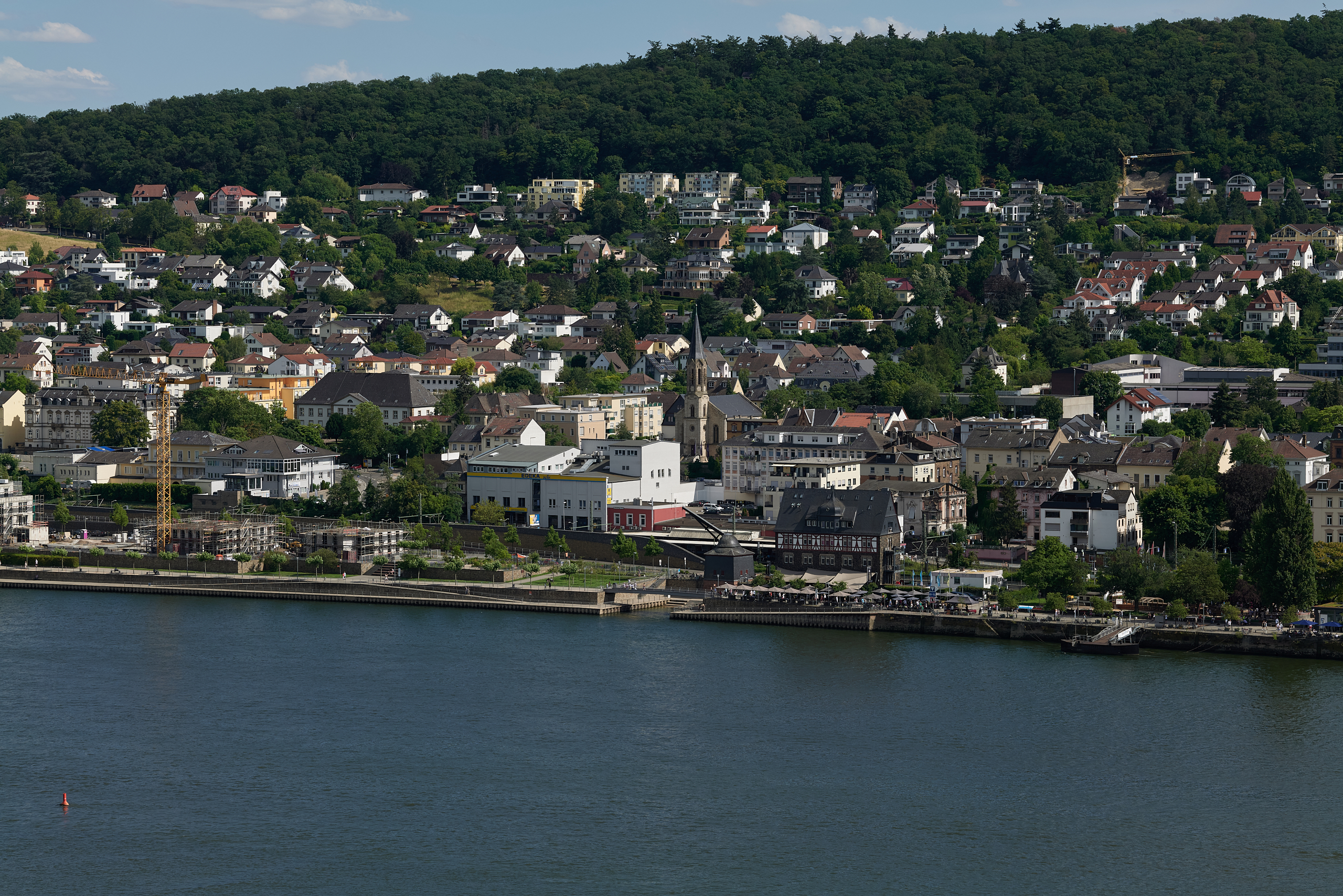
By the waterfront stands the old crane – a massive wooden machine from the 15th century once used to load wine casks, sacks of salt, and bales of cloth. Standing beside it, one can imagine the workers striding inside huge treadwheels, turning human strength into mechanical power. Not a museum replica, but a genuine survivor of trade’s past.
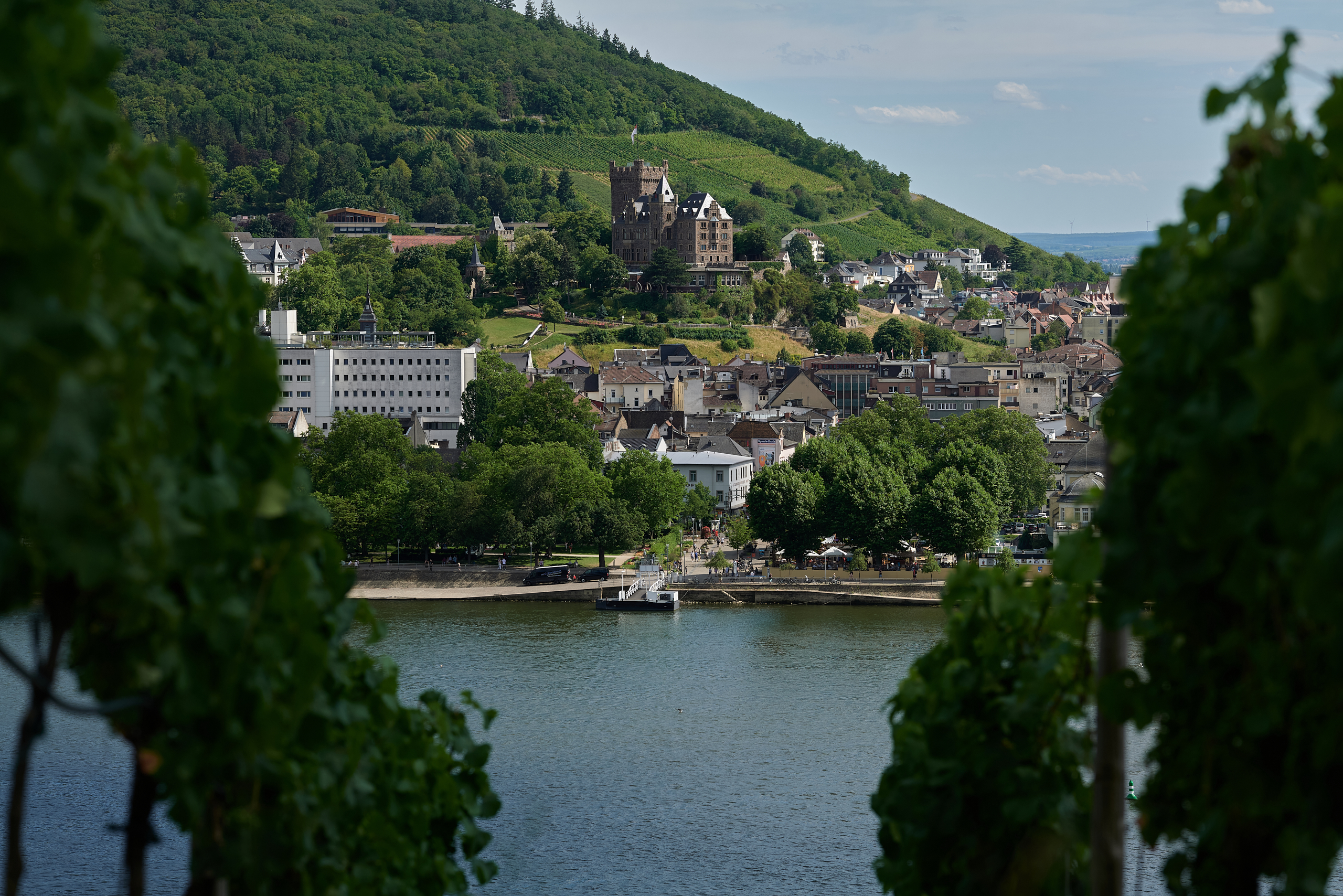
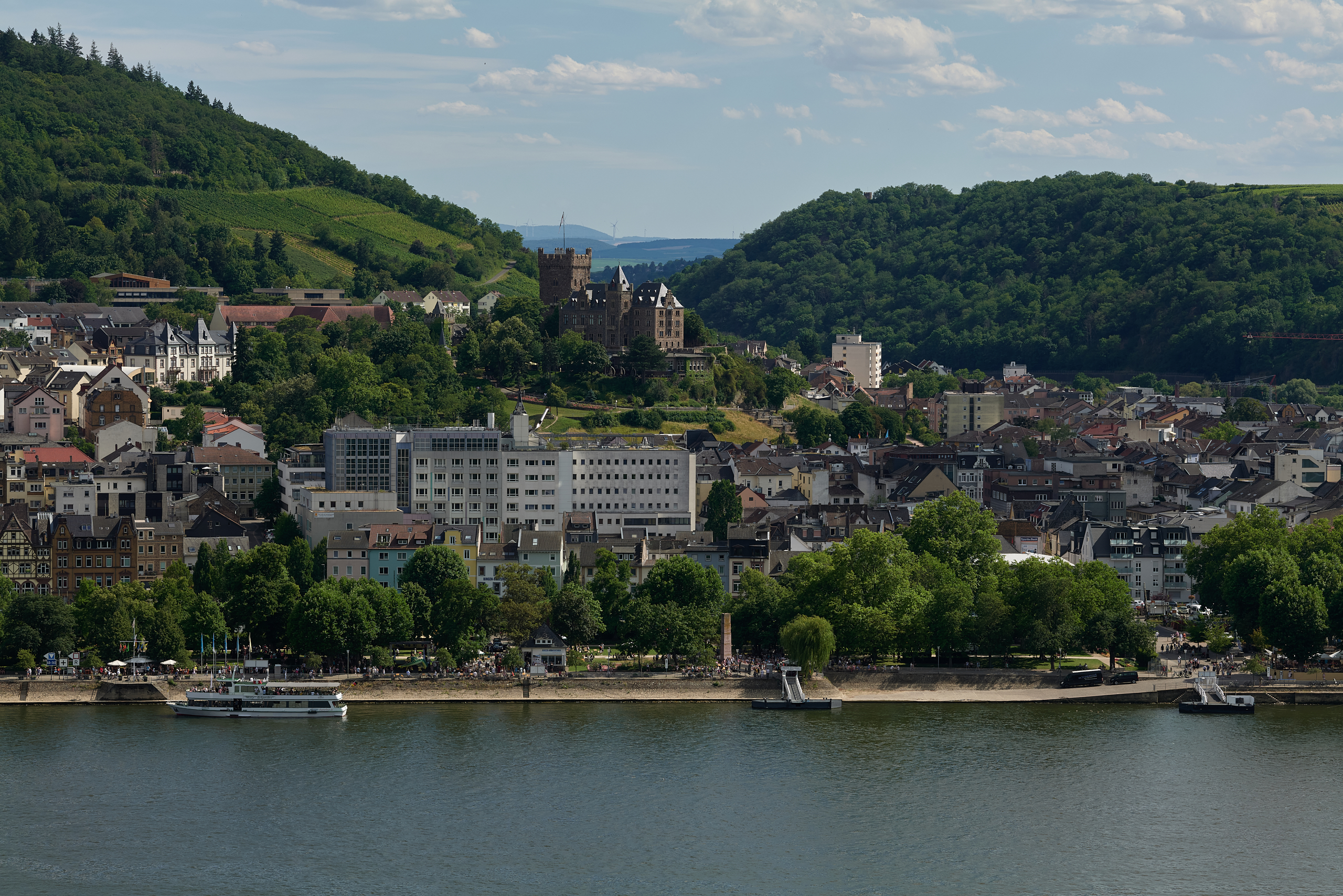
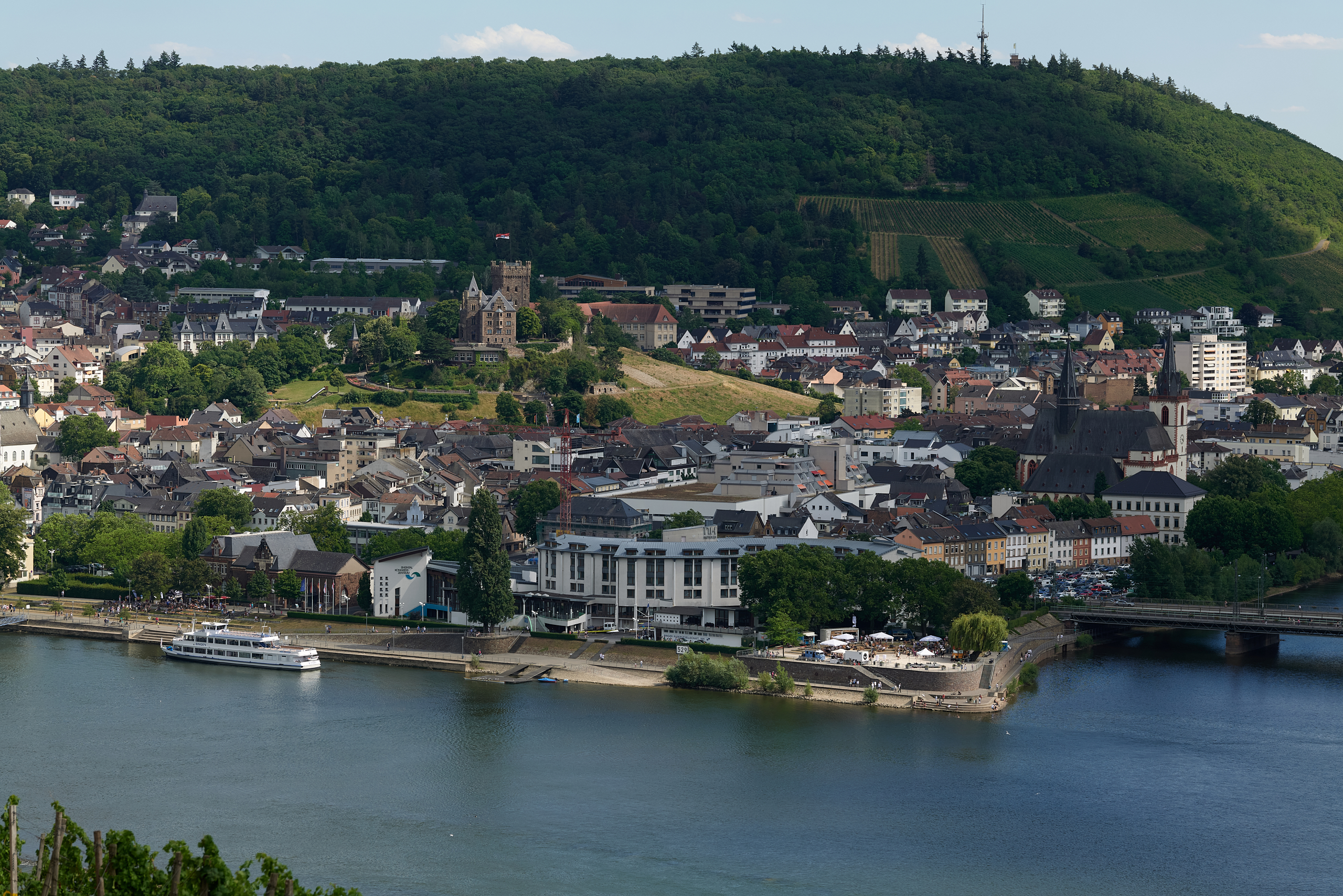
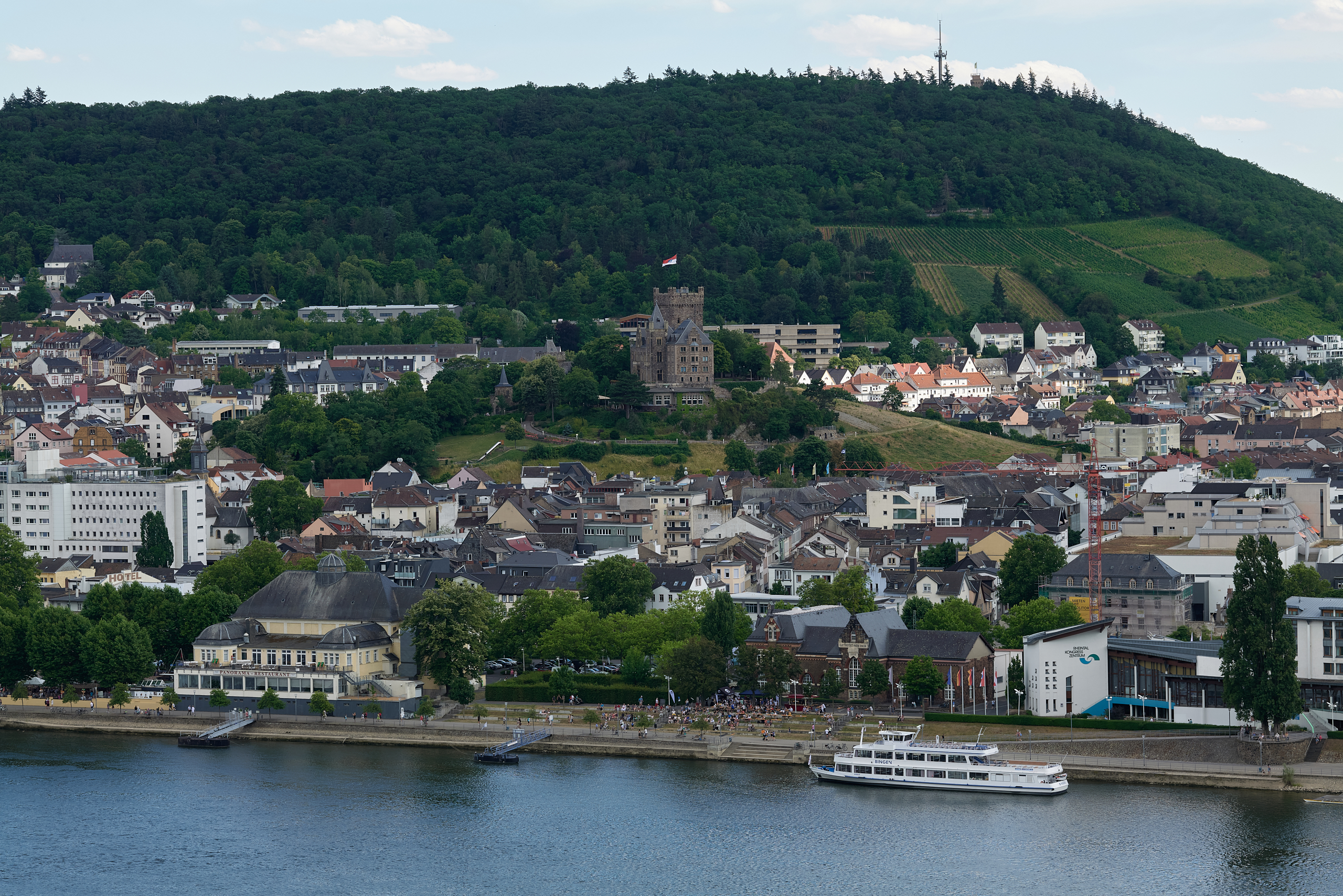
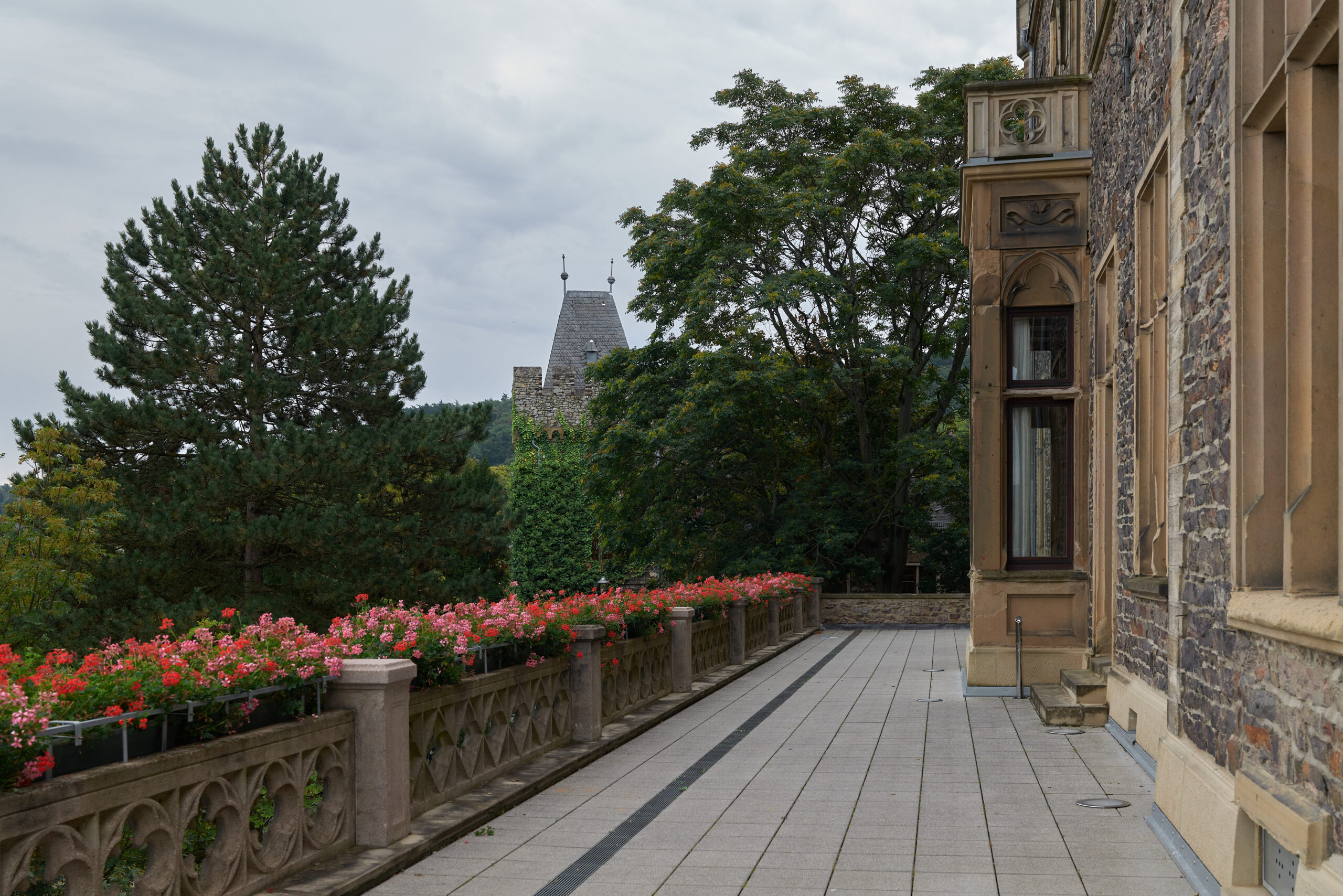
Climbing higher, one reaches Klopp Castle. From its walls the junction of Nahe and Rhine lies spread out below. The castle has been destroyed and rebuilt many times, yet its towers still rise over the town, a reminder that Bingen was not only a trading post but also a strategic stronghold.
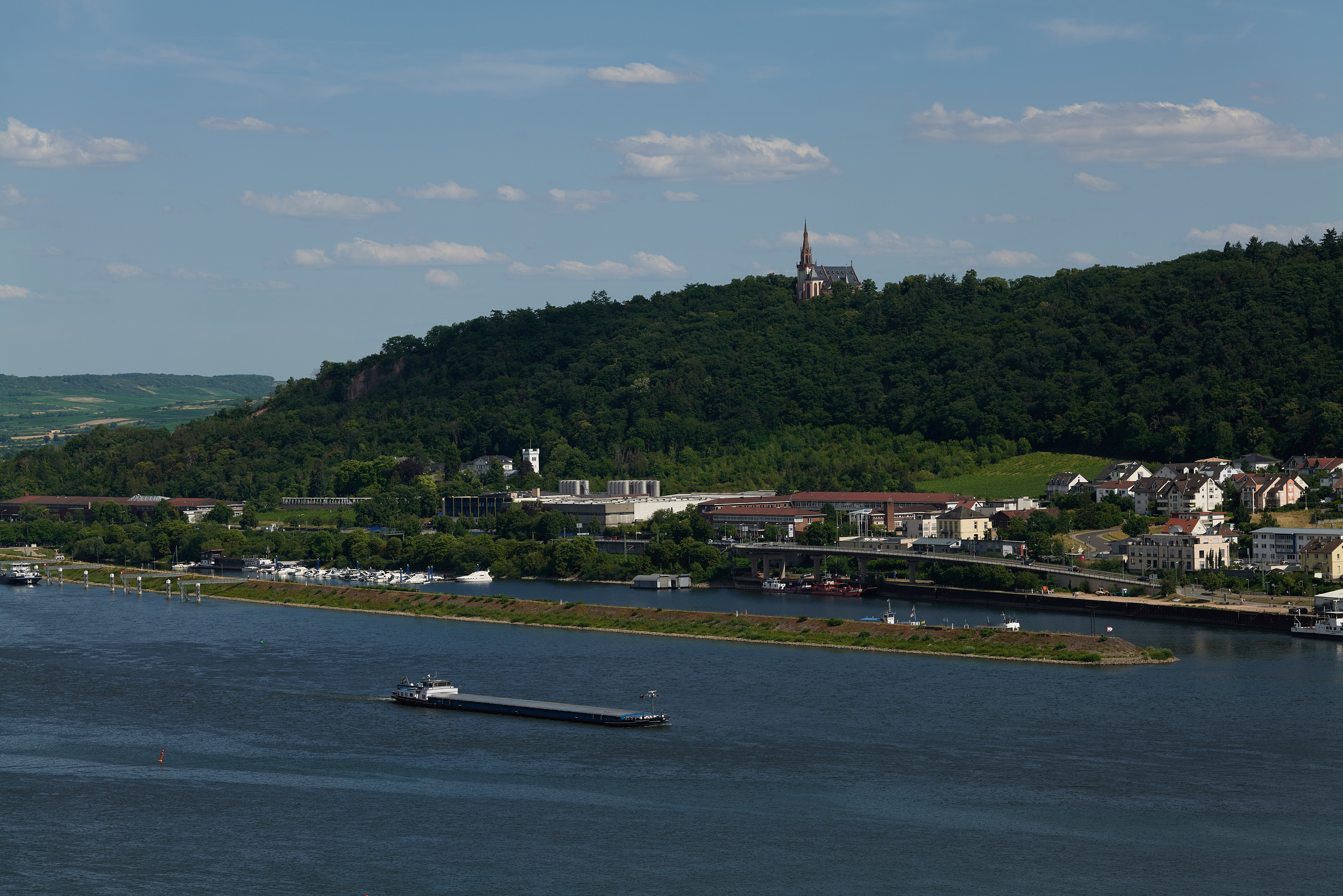
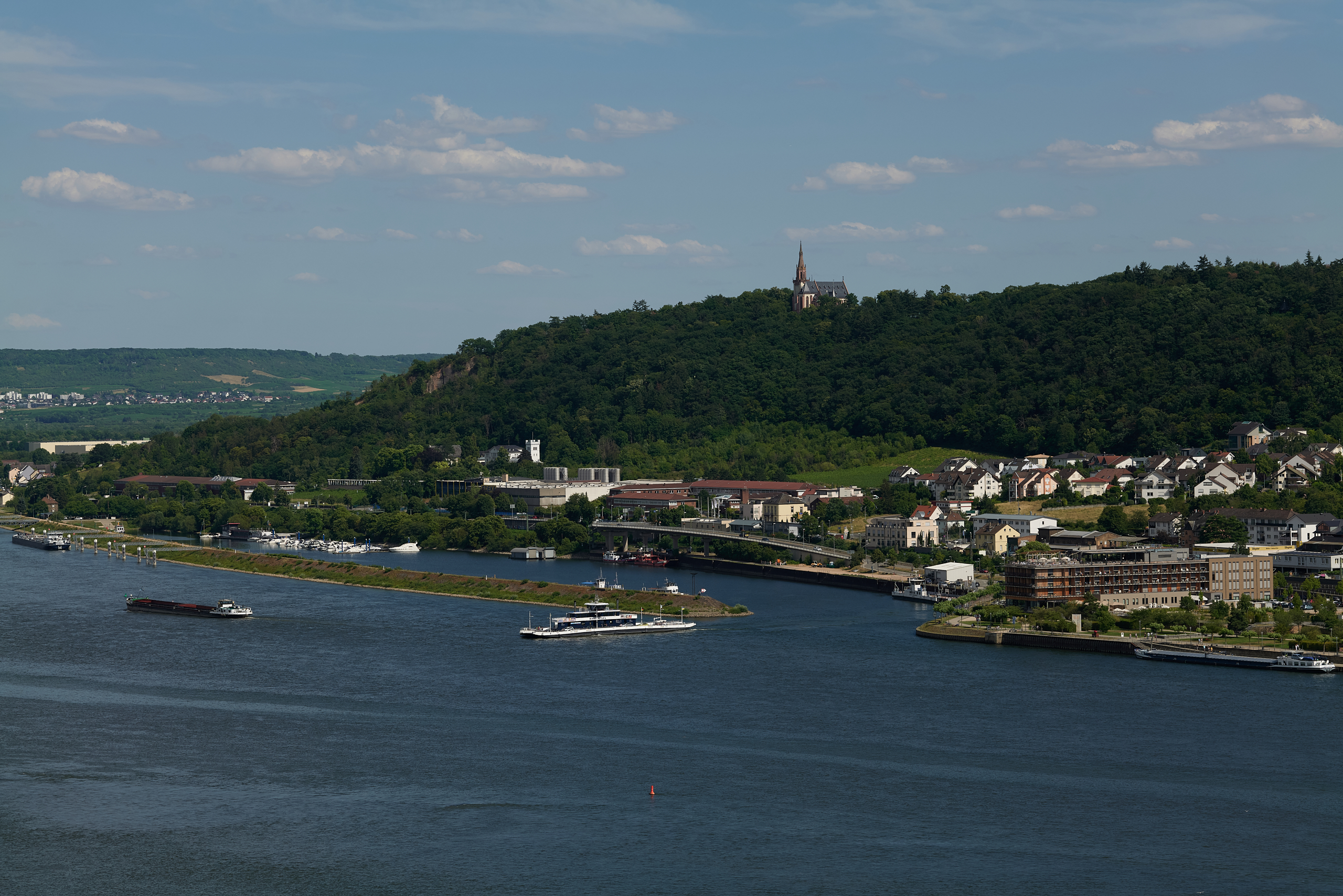
Across the way stands the Rochusberg. At its summit, the Rochus Chapel commemorates plague years and was consecrated anew after a fire. Goethe himself attended its dedication in 1814 and wrote of it. From here the view takes in vineyards and the curve of the river – the very landscape that inspired the painters and poets of the 19th century.
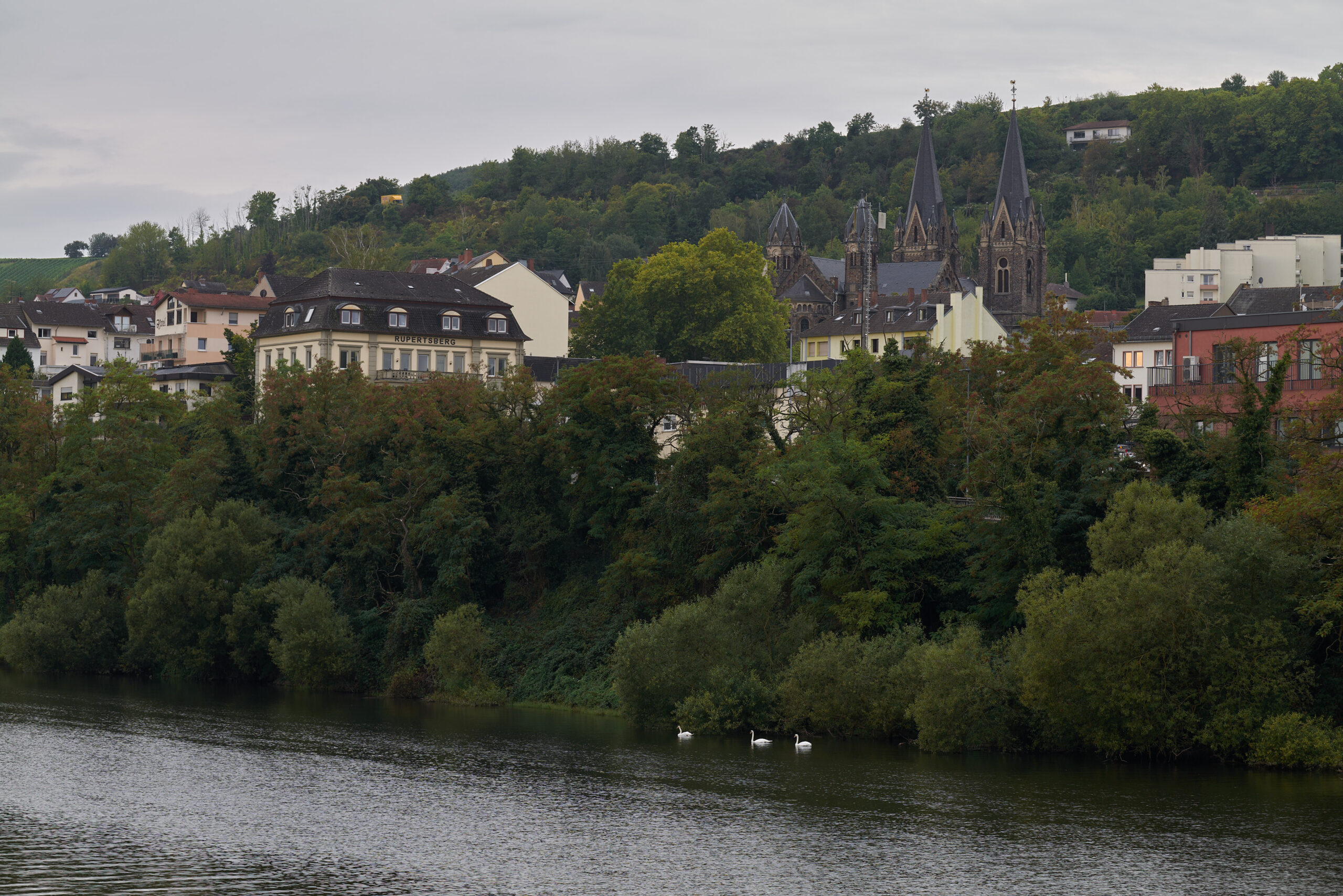
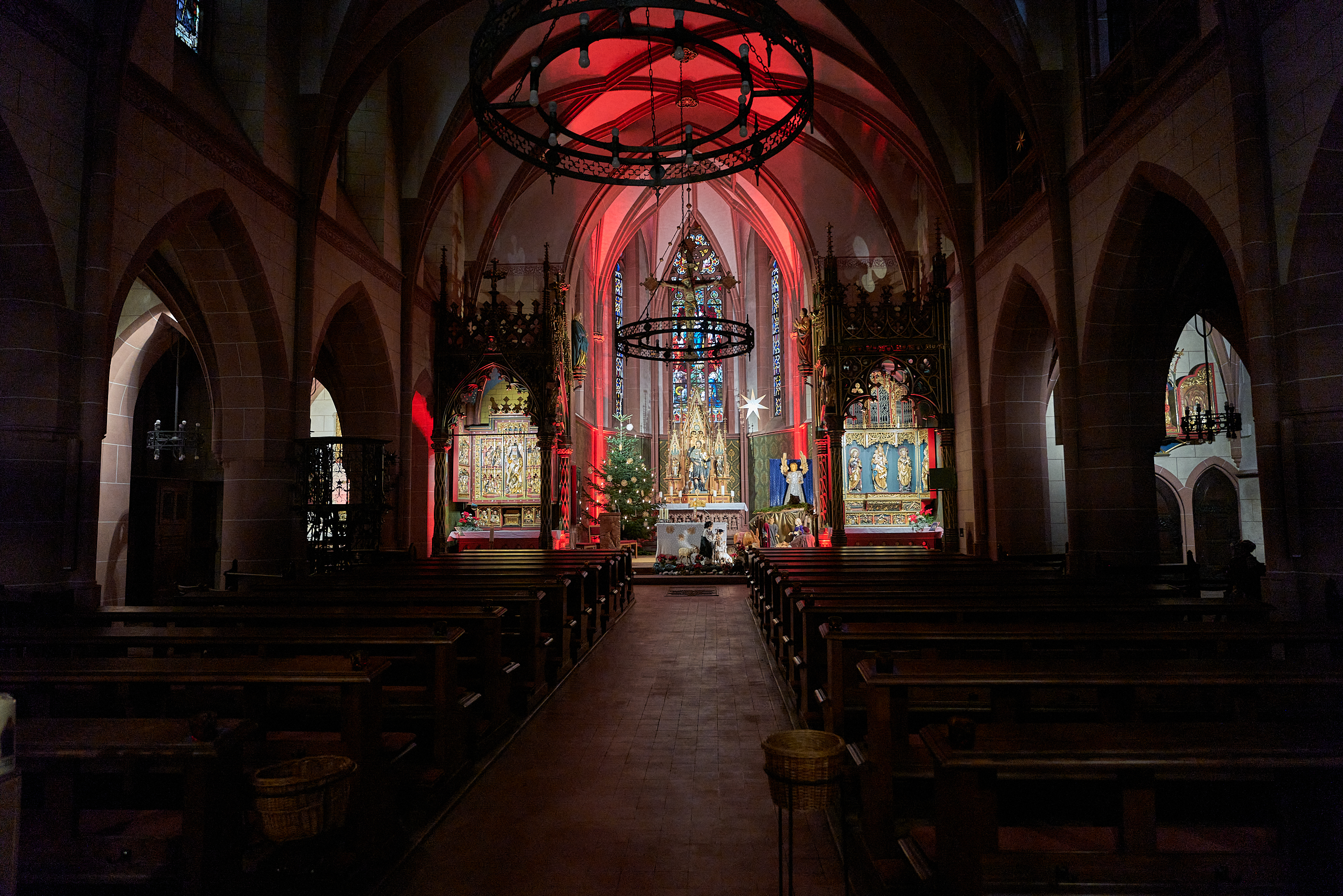
Another quiet voice of the city lies in the crypt of St. Martin’s Basilica. Beneath its vaults rest traces of early Christian architecture. The half-light, the glow of stained glass, and the damp scent of stone make time itself feel slower here.
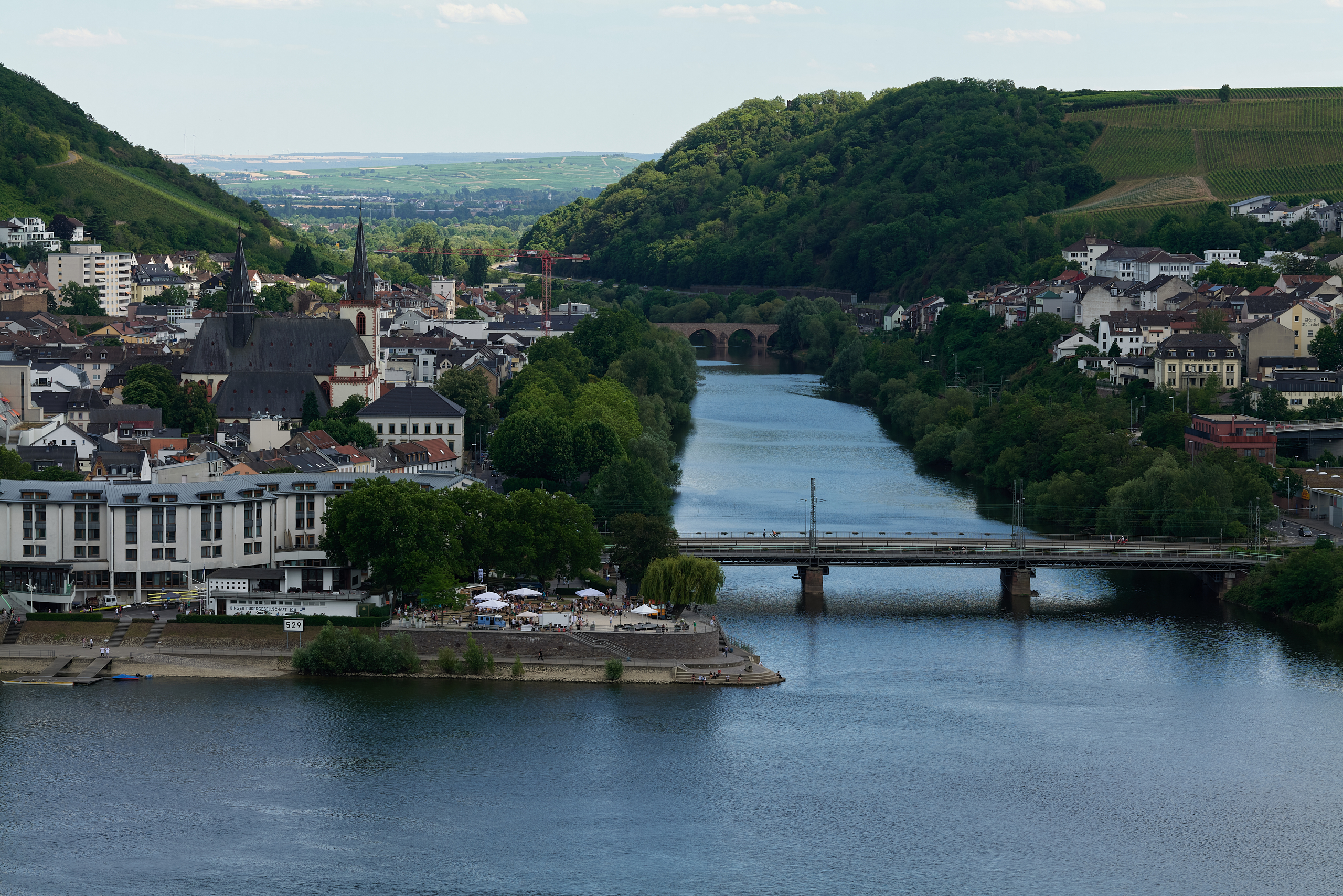
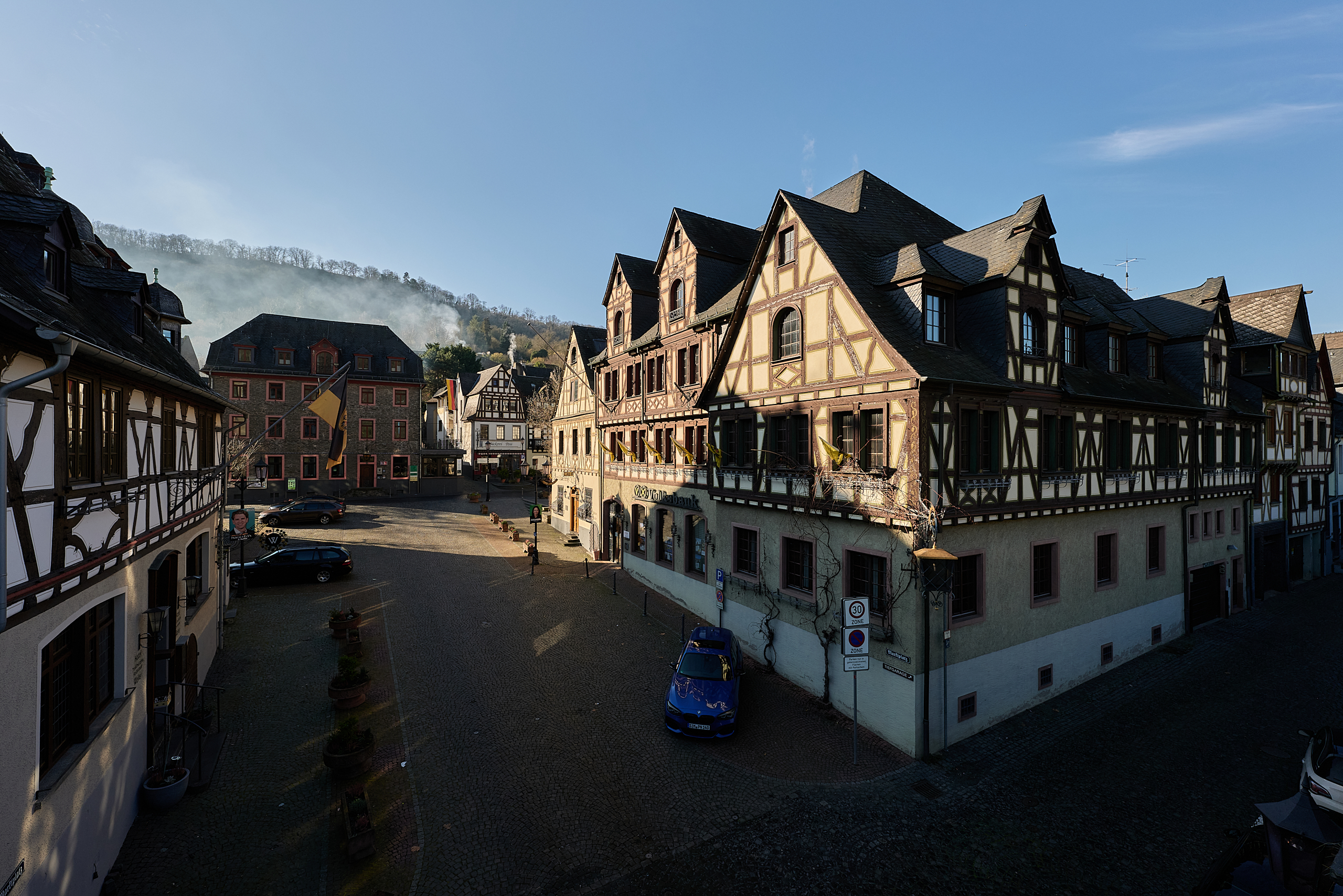
And yet none of this is a stage set, but a living town. Students walk its streets, wine festivals gather crowds on the embankment, and concerts play along the “Culture Shore.” Alongside all this life remain river and stone, reminding us: Bingen existed long before us – and will endure long after.
Gallery
super