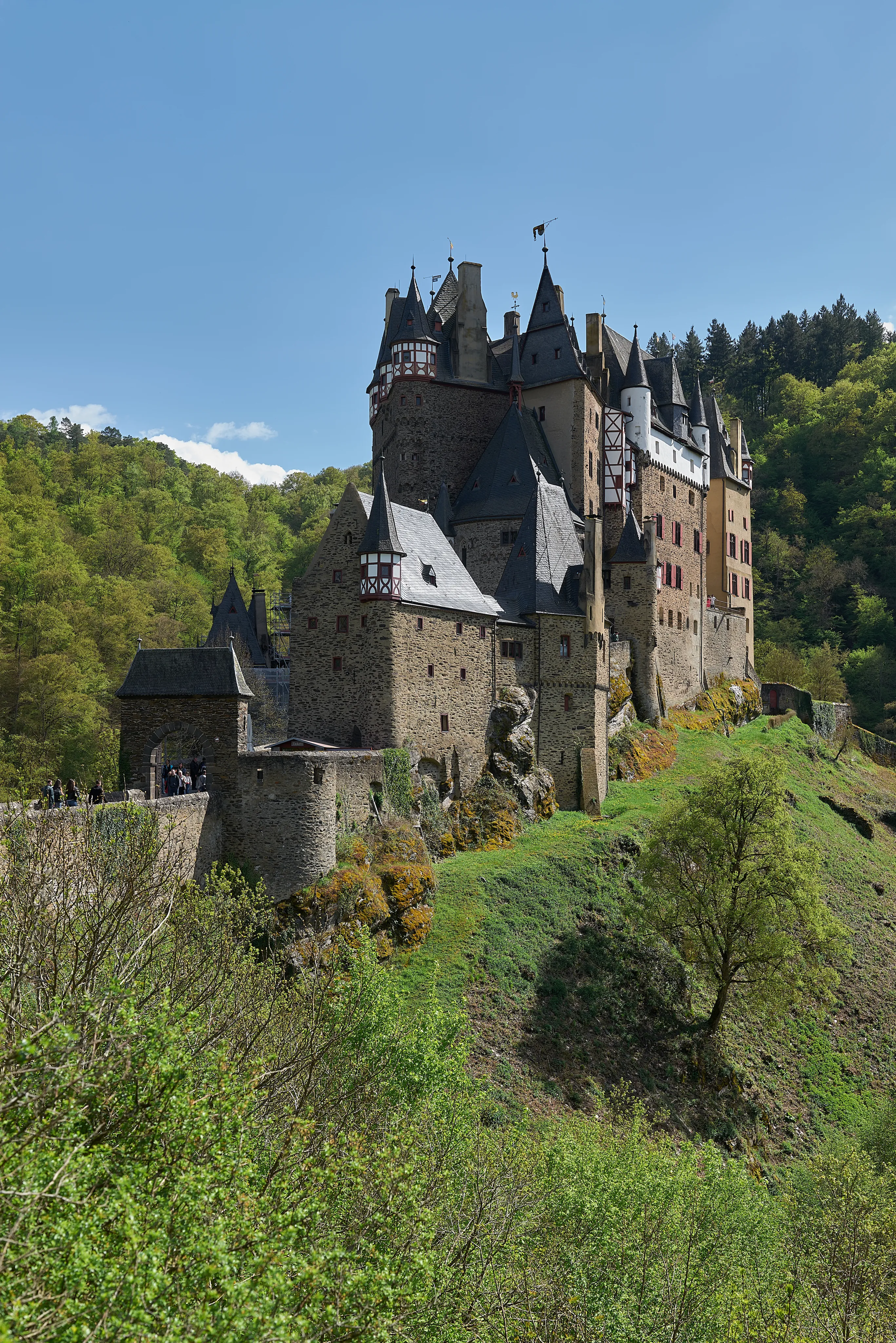
There are places that are not simply marked on a map, but seem to exist outside of time. They cannot truly be seen in a photograph, understood through a guidebook, or meaningfully captured in dry historical records. Eltz Castle is one of these places — an ancient fortress hidden among the wooded hills of the Elzbach Valley in western Germany. It is often described as a fairy-tale castle, but that definition seems far too simple. Fairy tales usually come to an end. Eltz has been continuing for almost nine centuries.
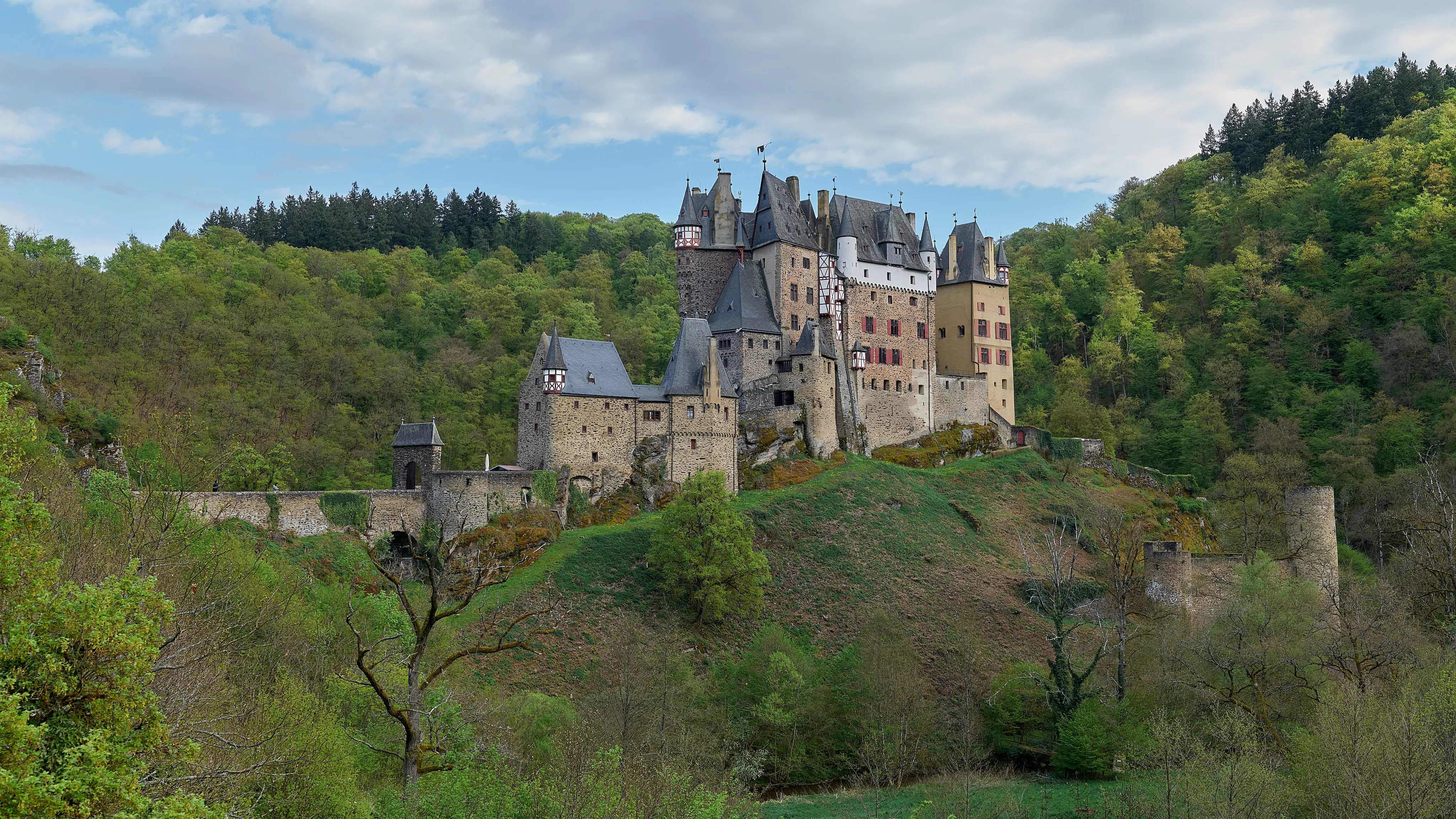
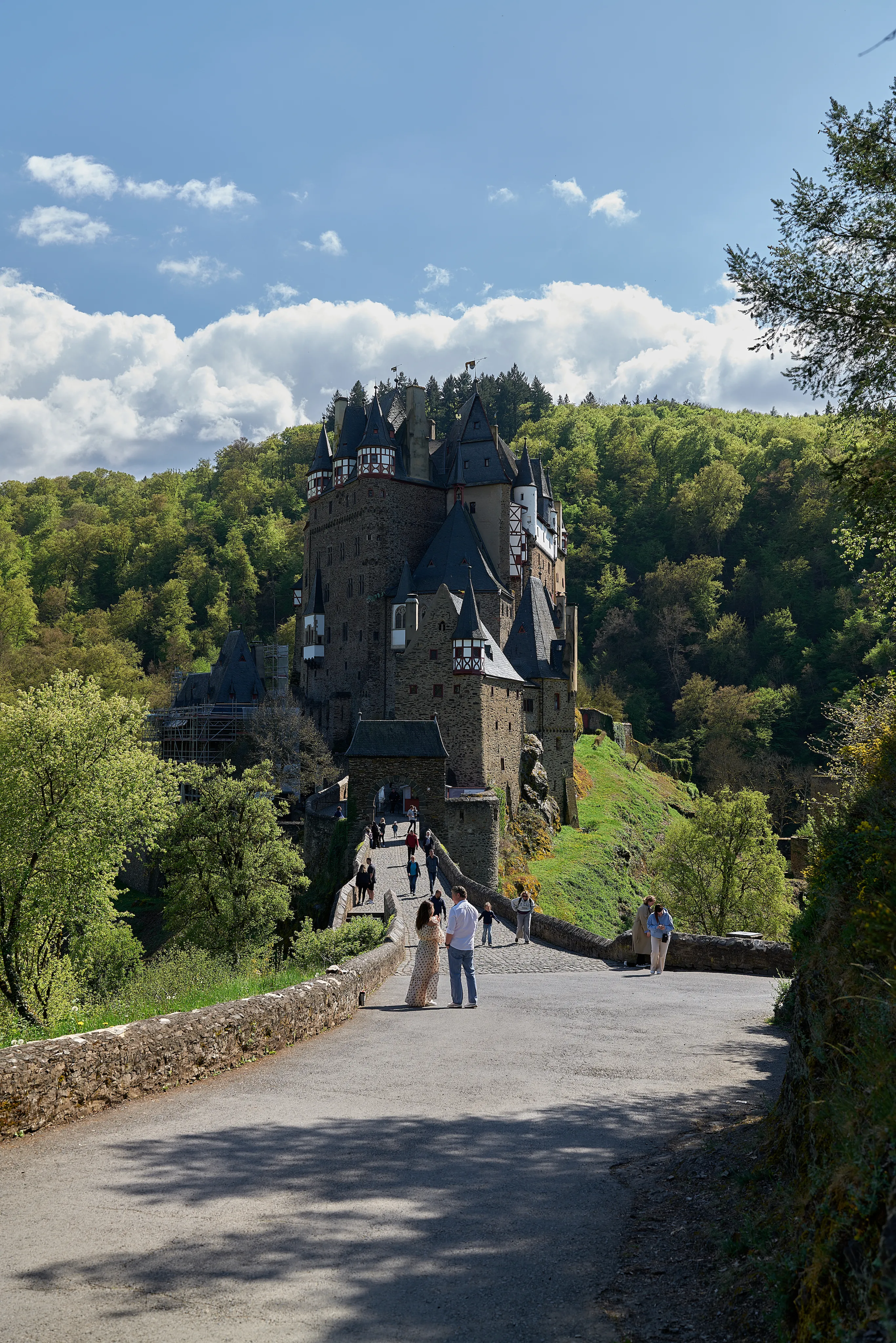
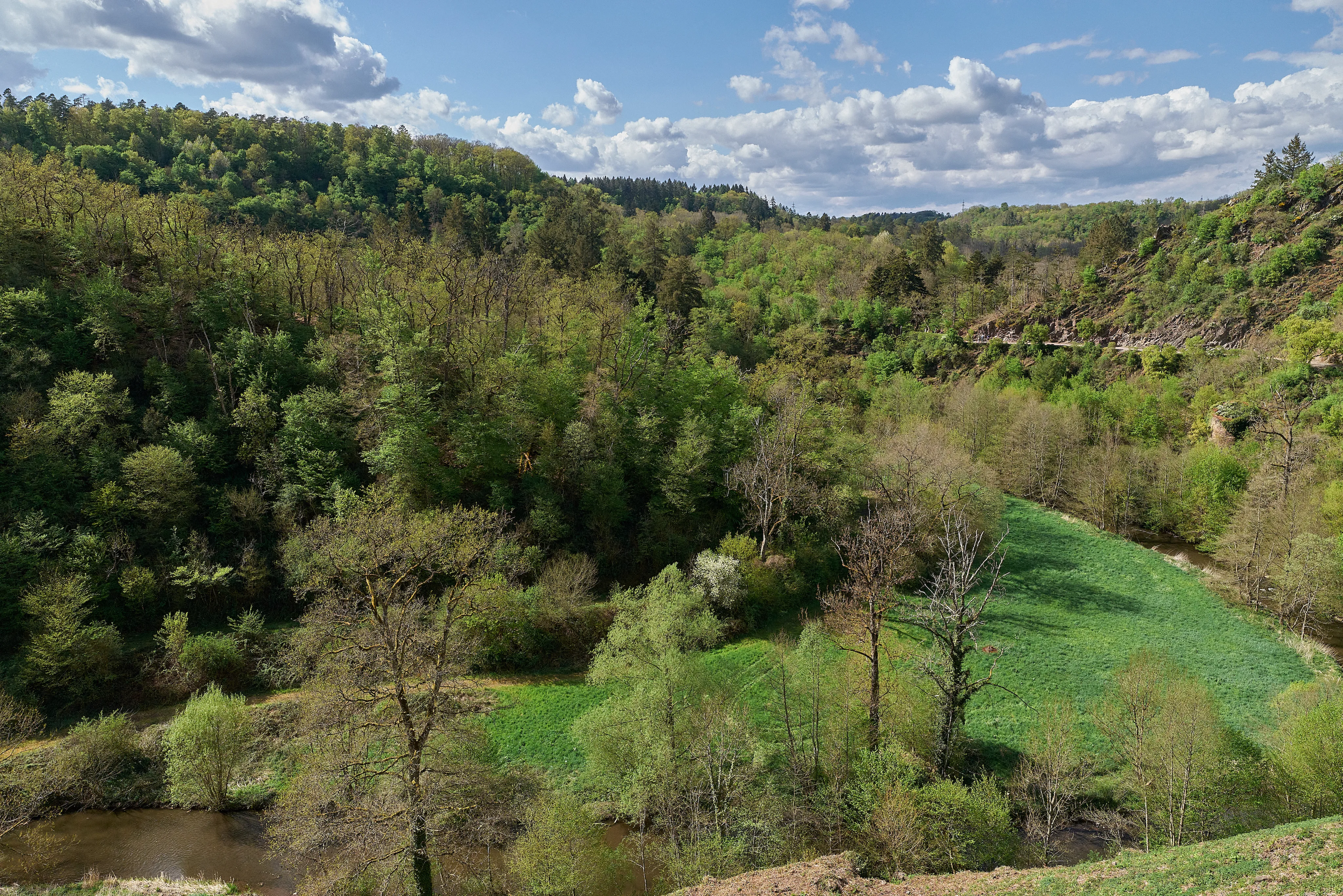
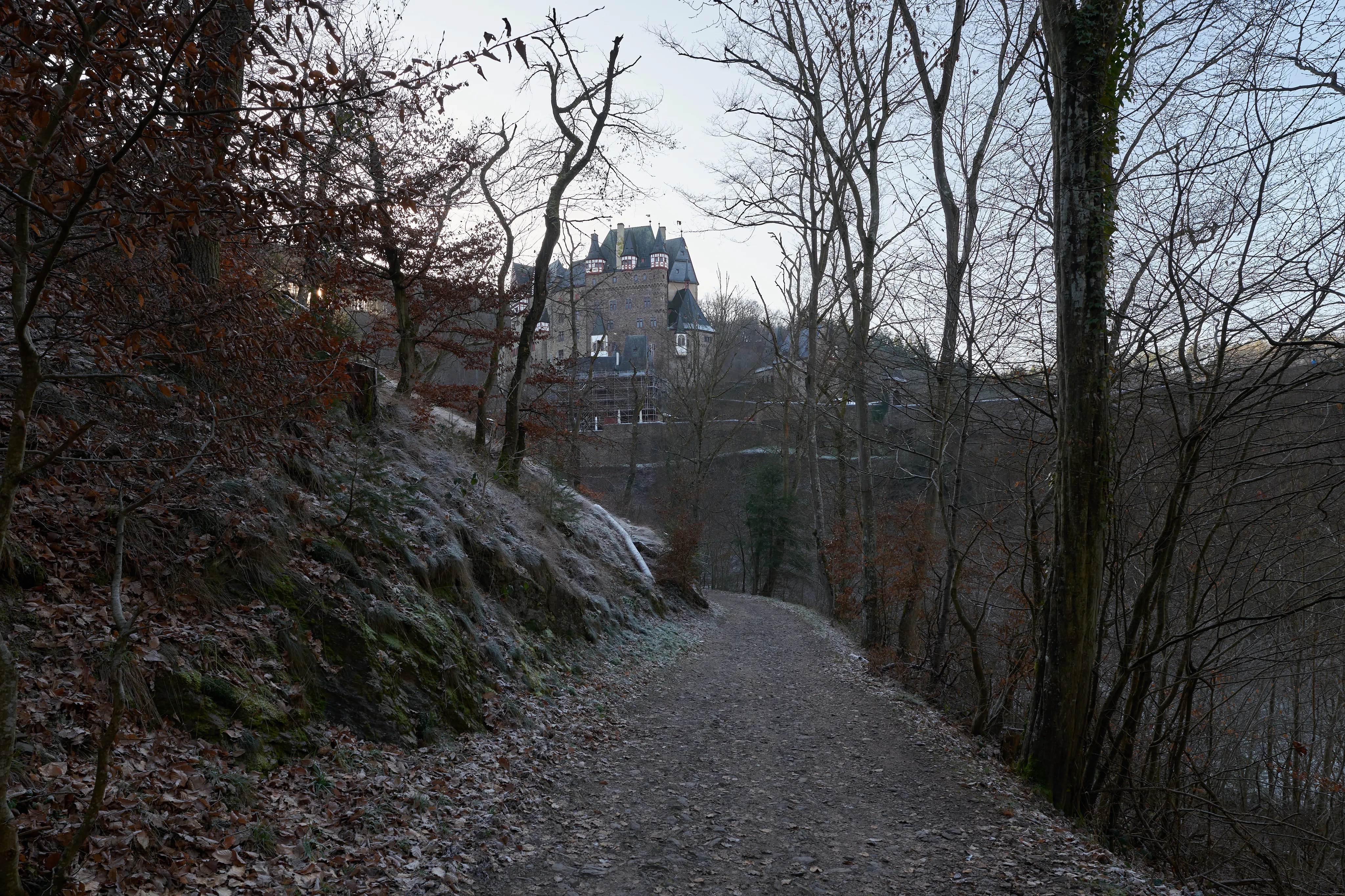
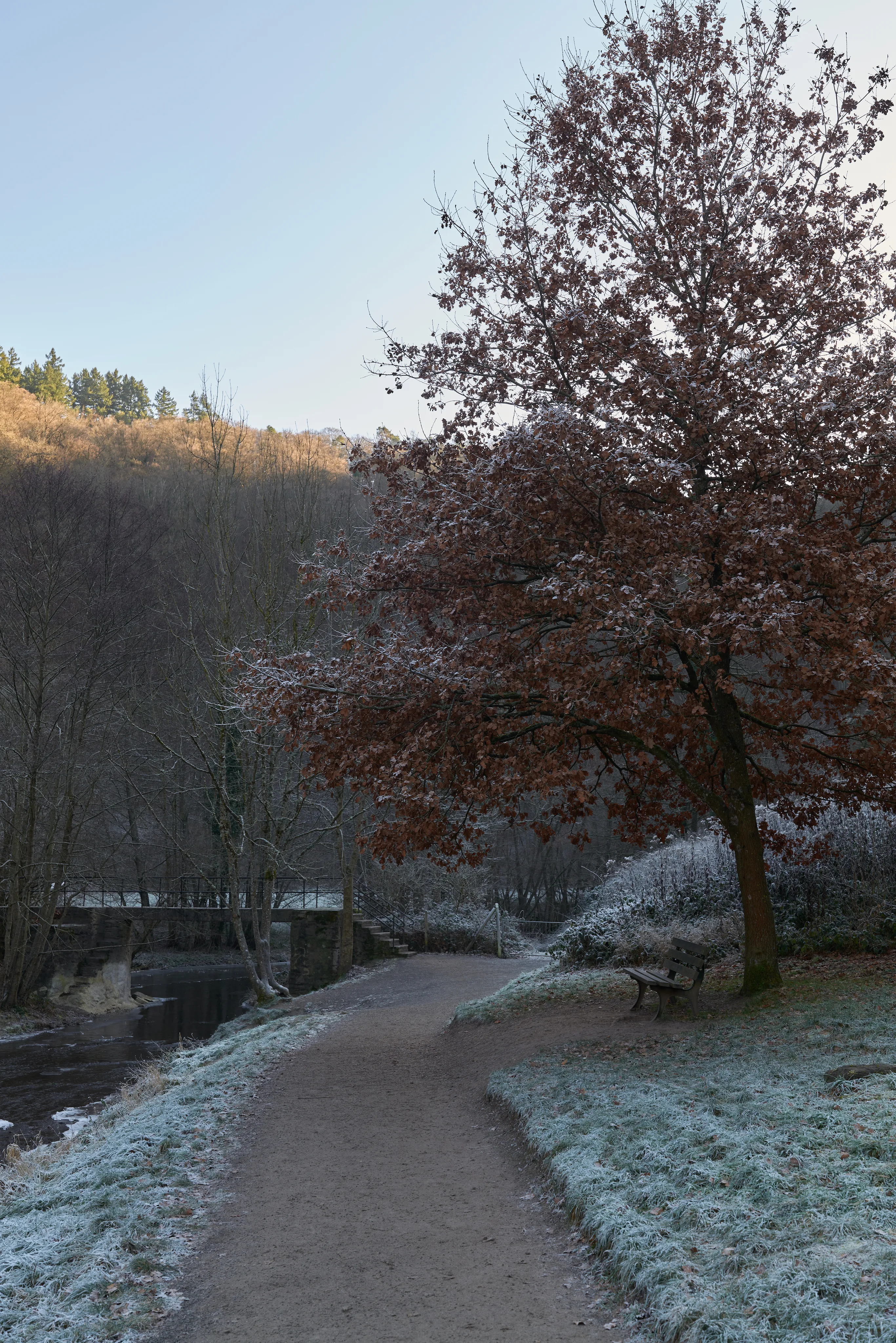
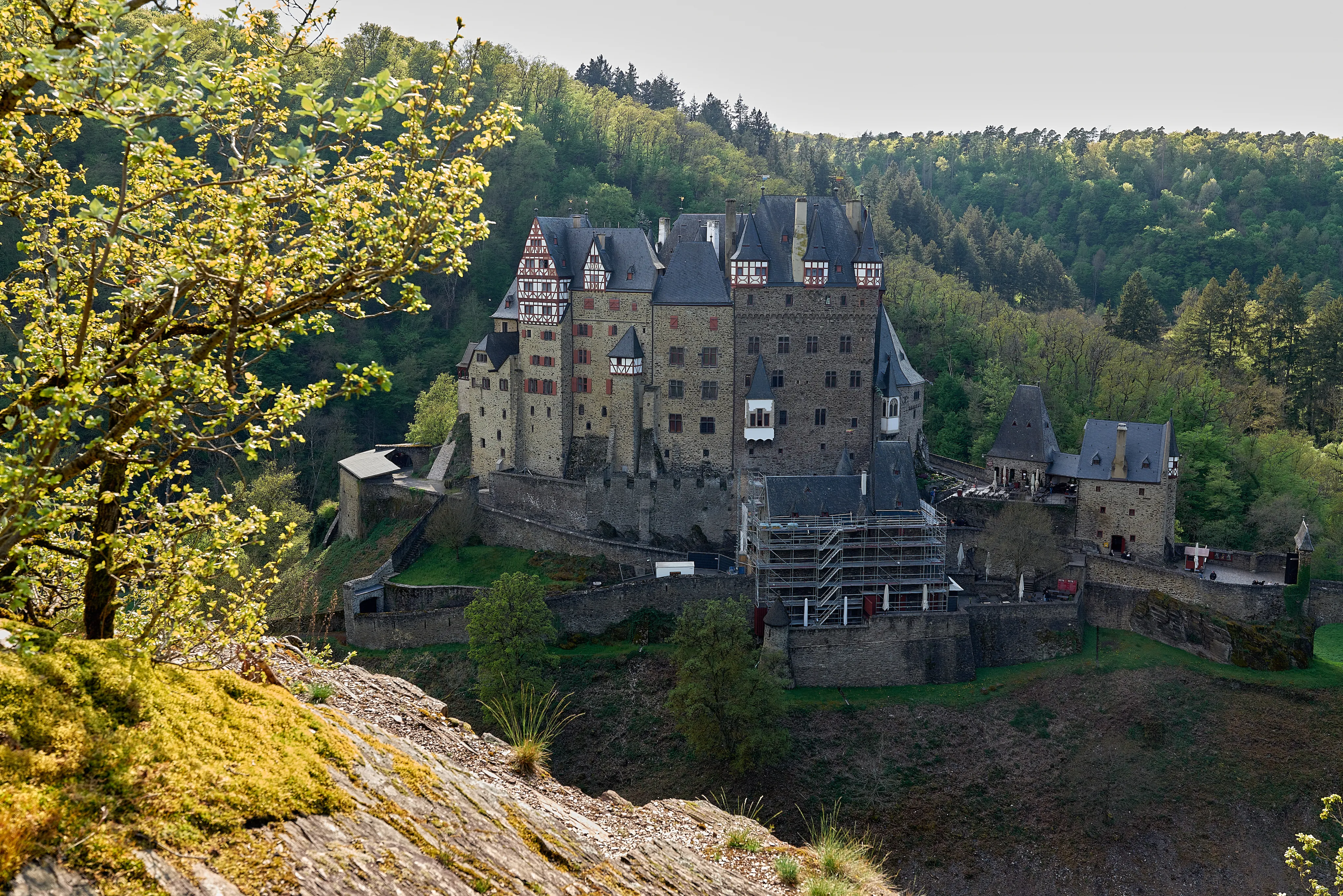
I remember the day I saw it for the first time. The trail wound its way between beeches and oaks, and the forest gradually grew denser, as if it wanted to conceal something important. For a long time there was nothing around me but trees, silence, and the sound of the wind moving across the slopes. And then, suddenly, towers appeared among the sea of green. Not gradually, not as a hint, but all at once — like a vision. It felt as though someone had carefully drawn back a curtain between two worlds.
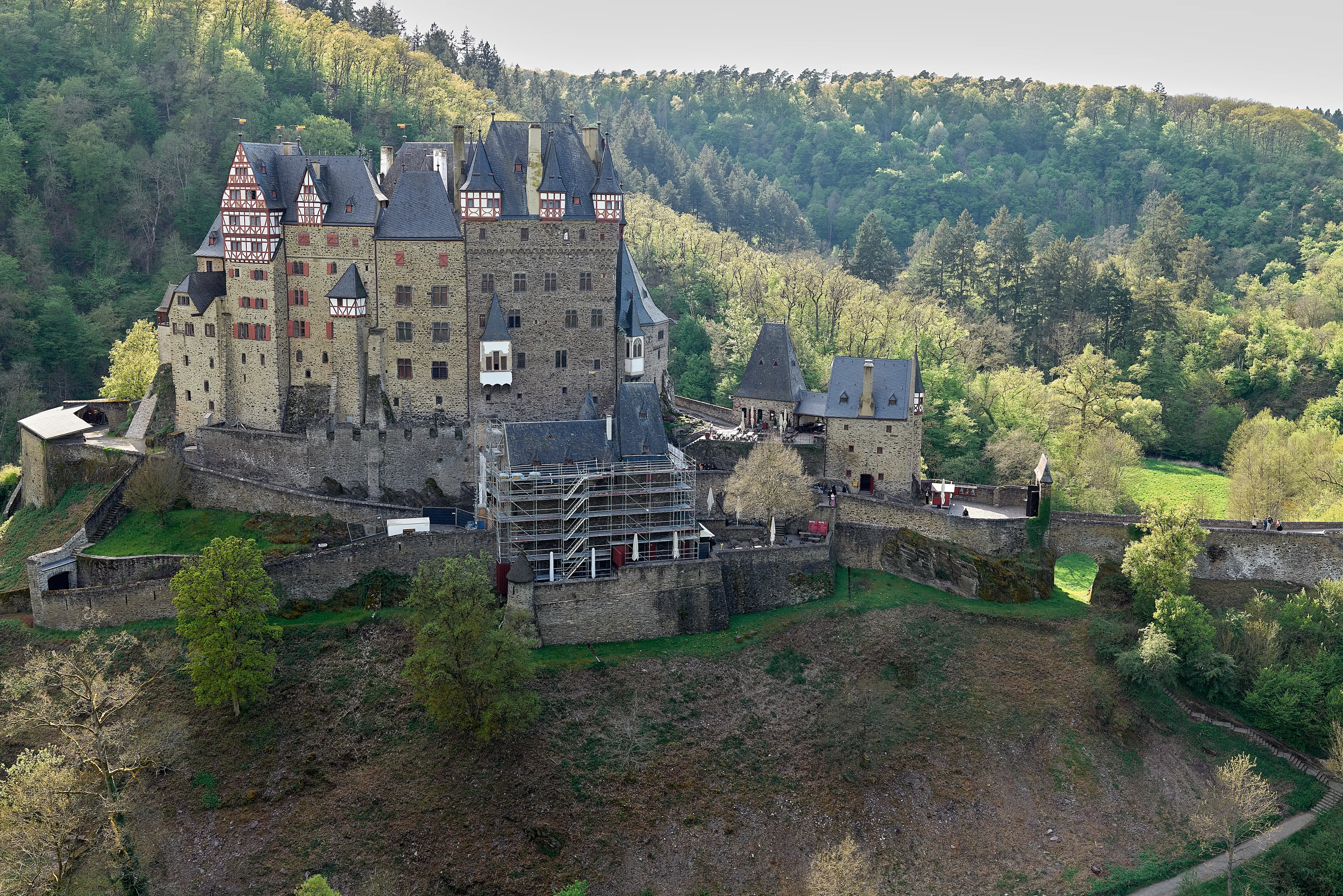
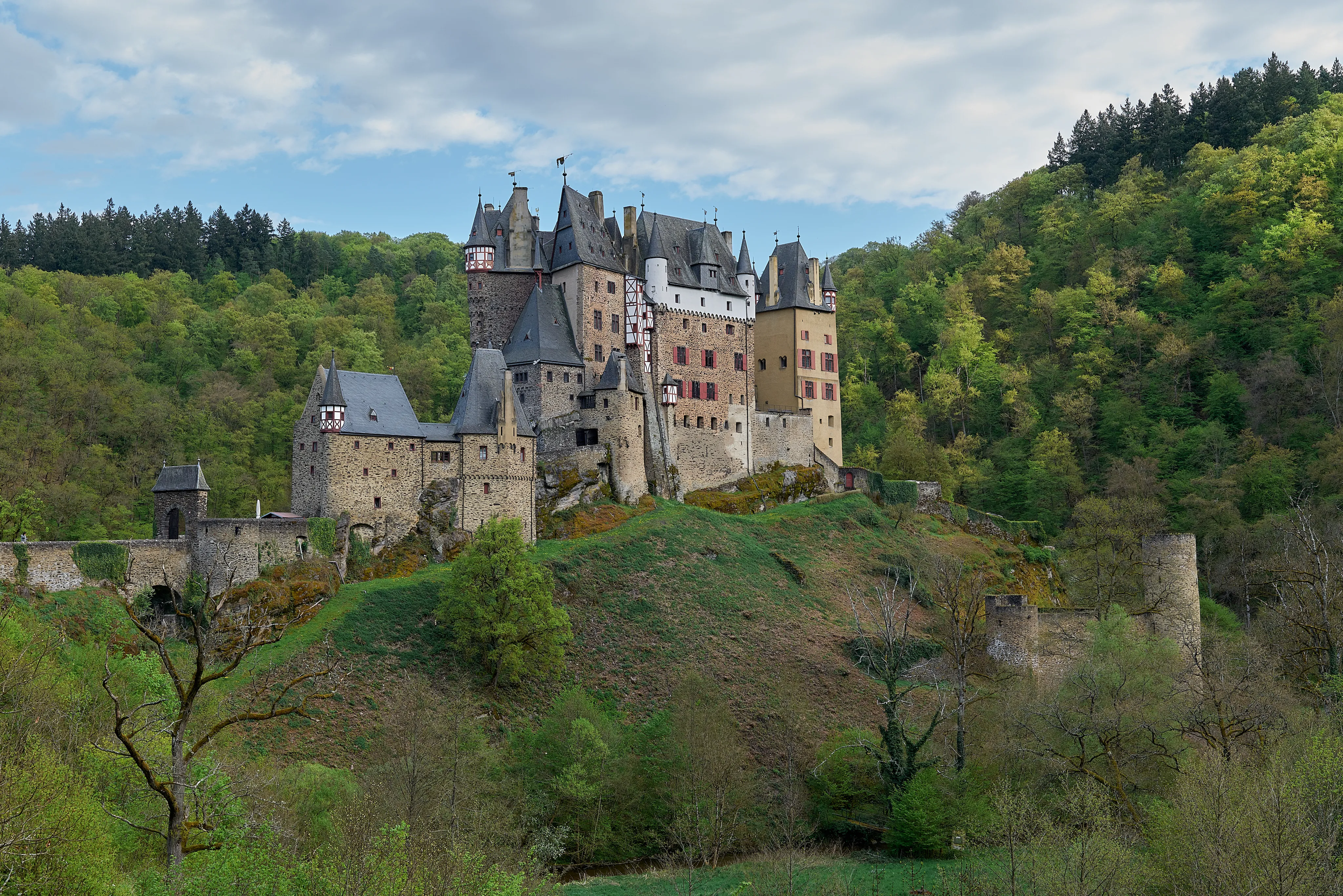
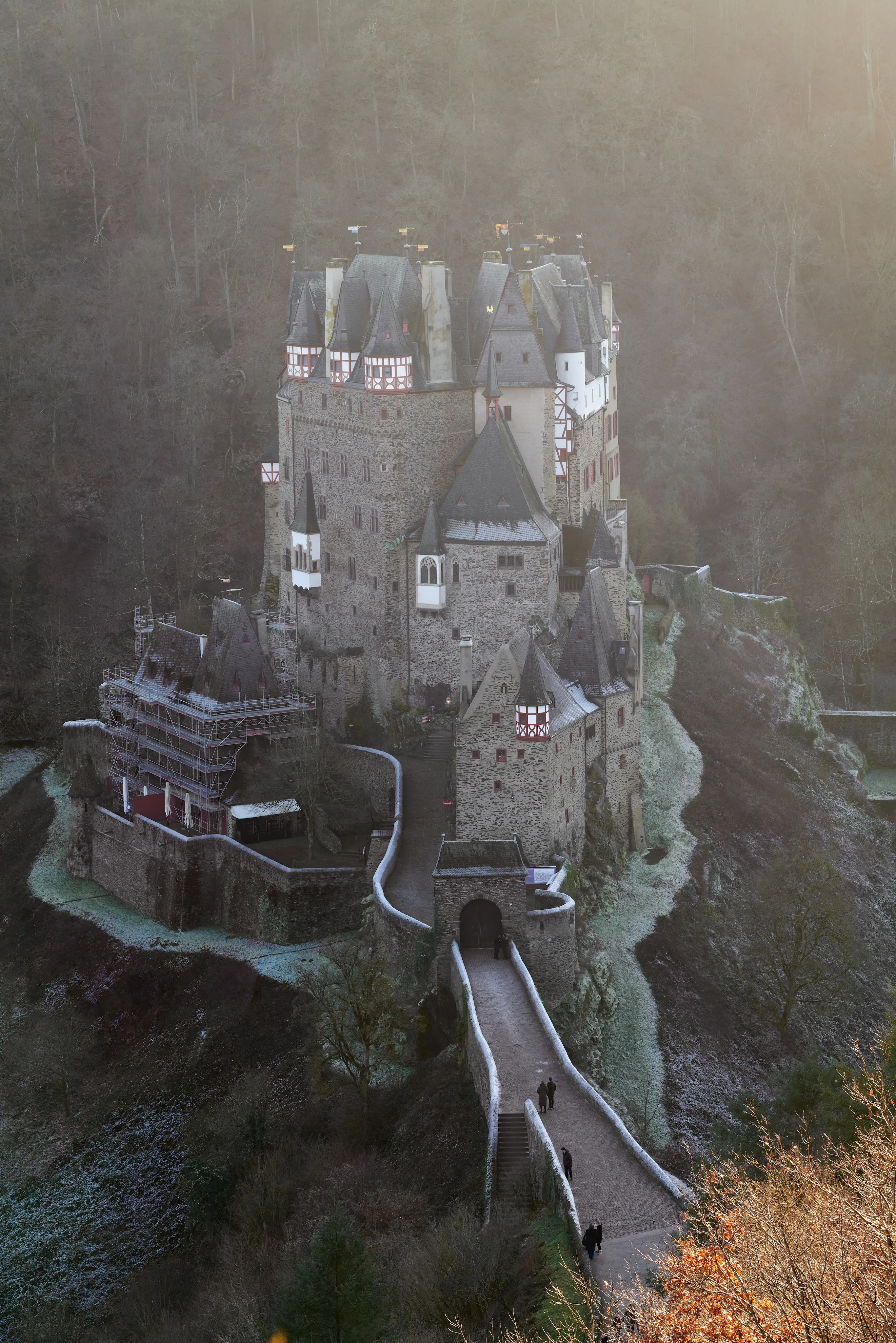
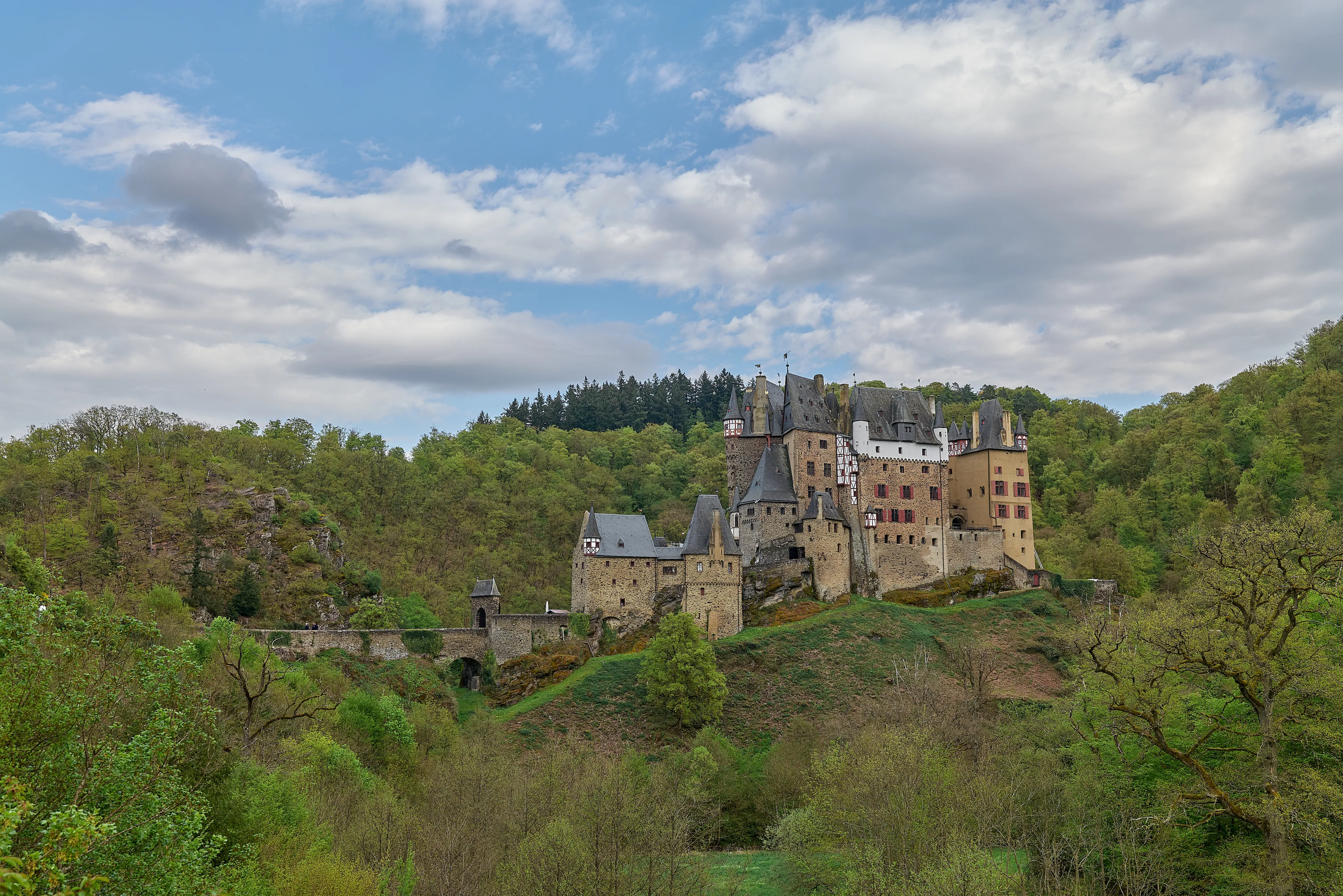
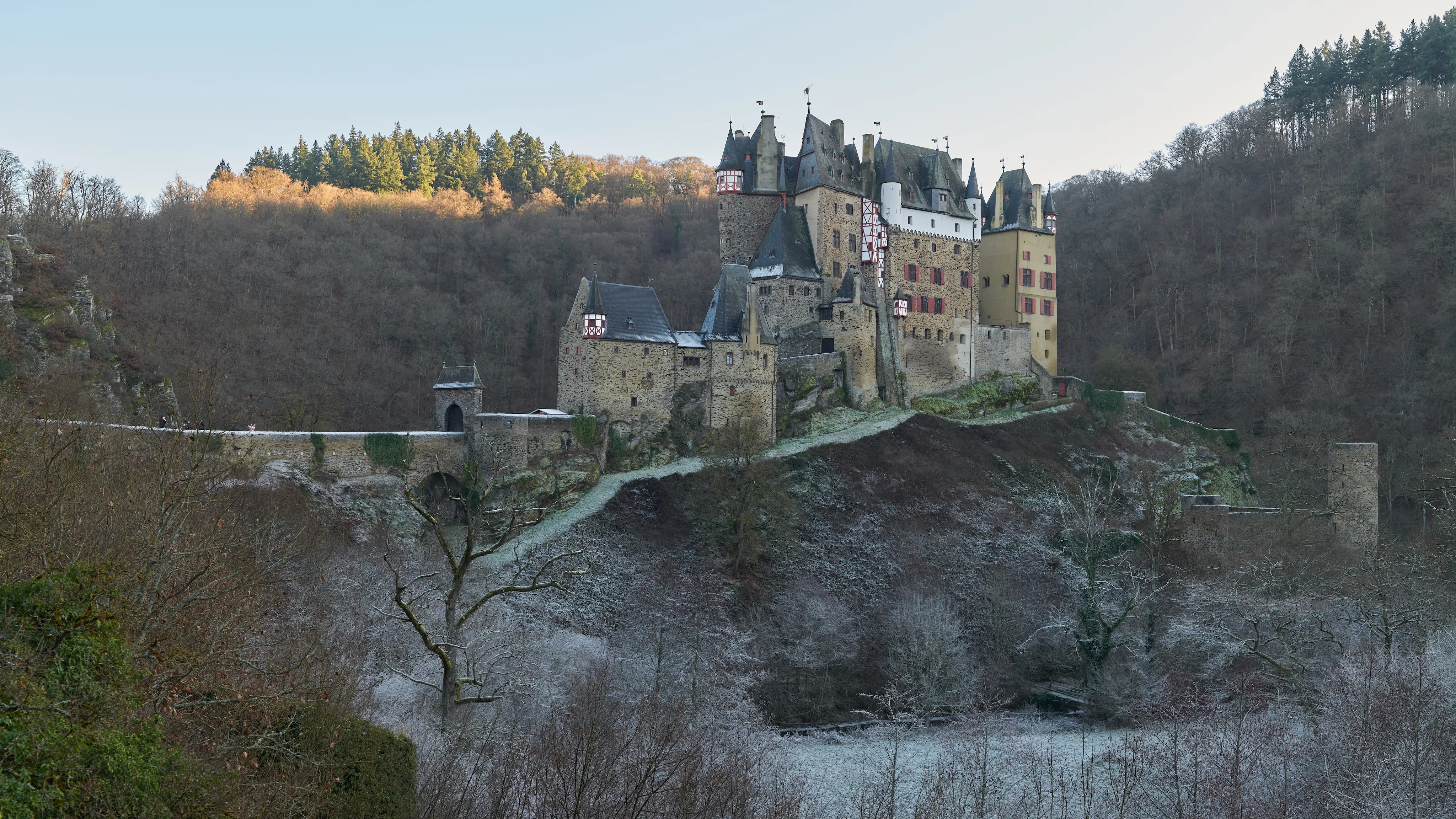
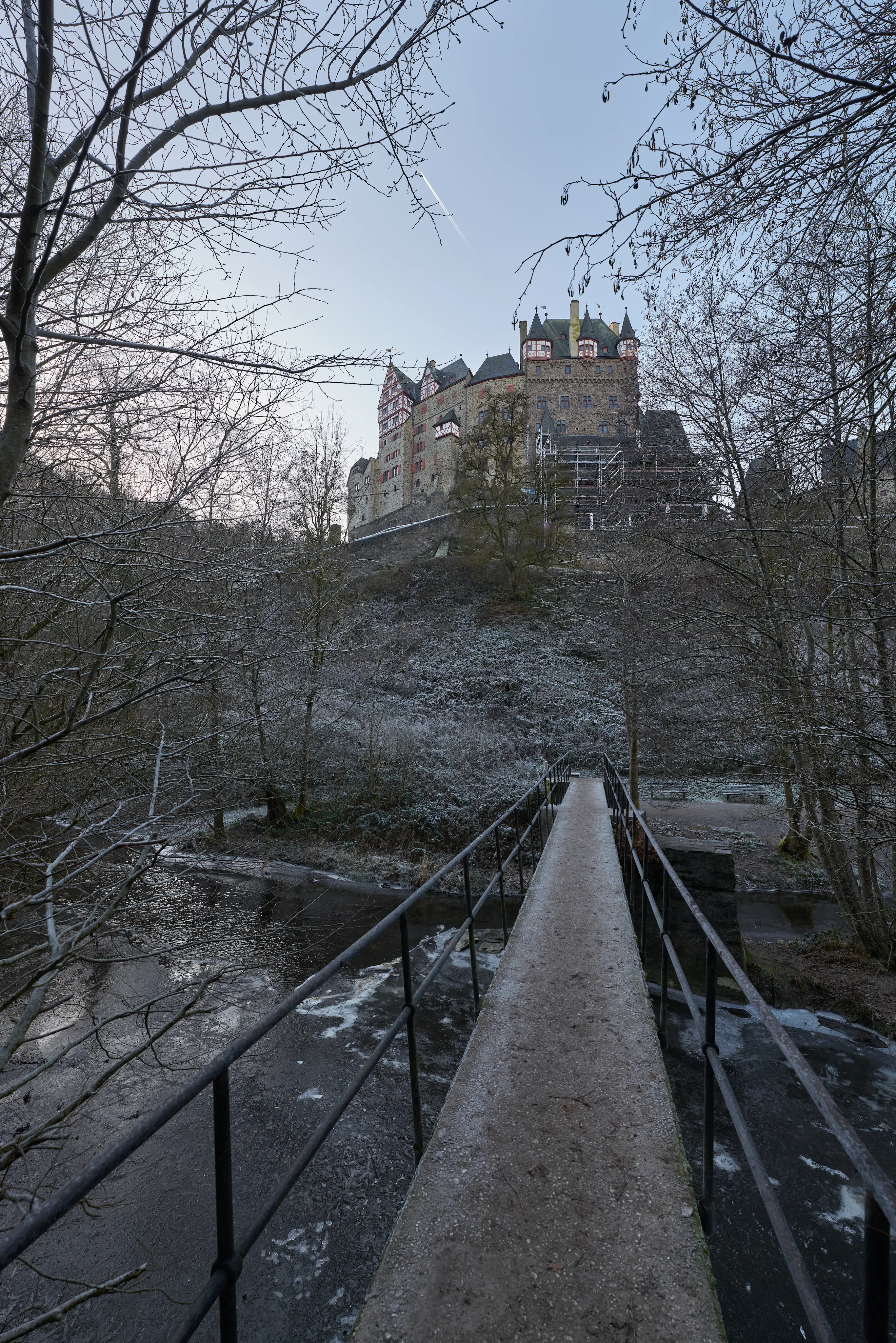
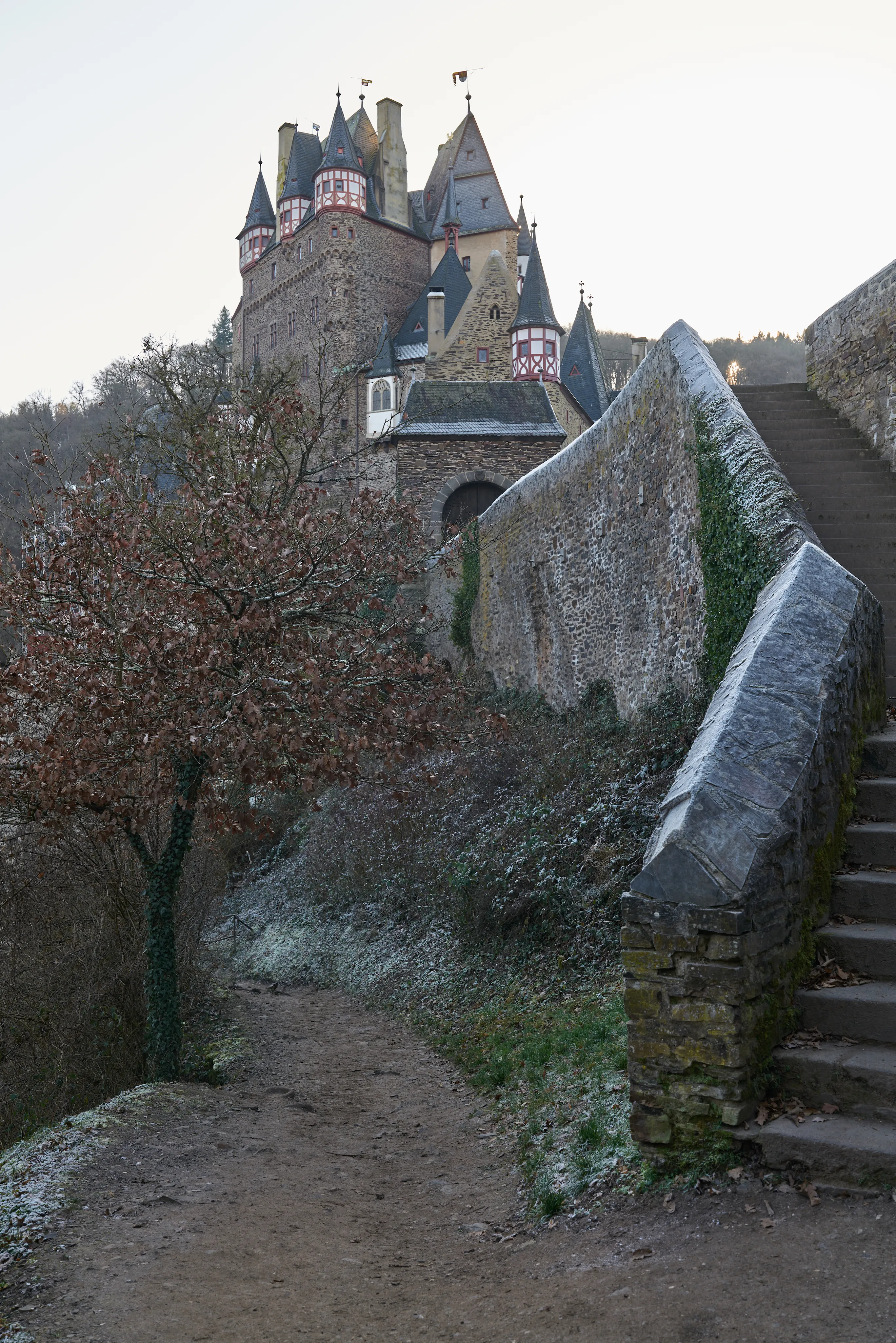
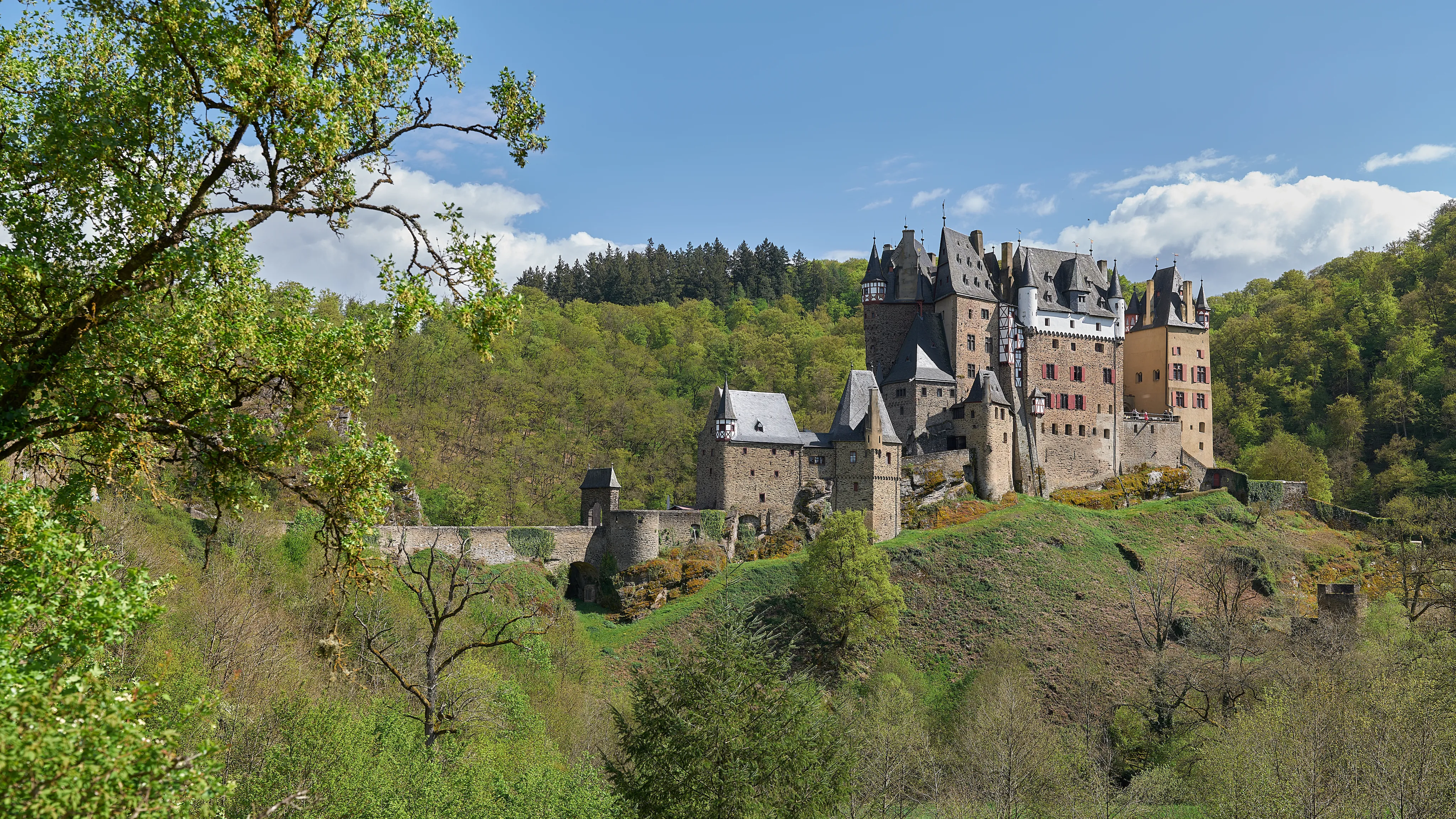
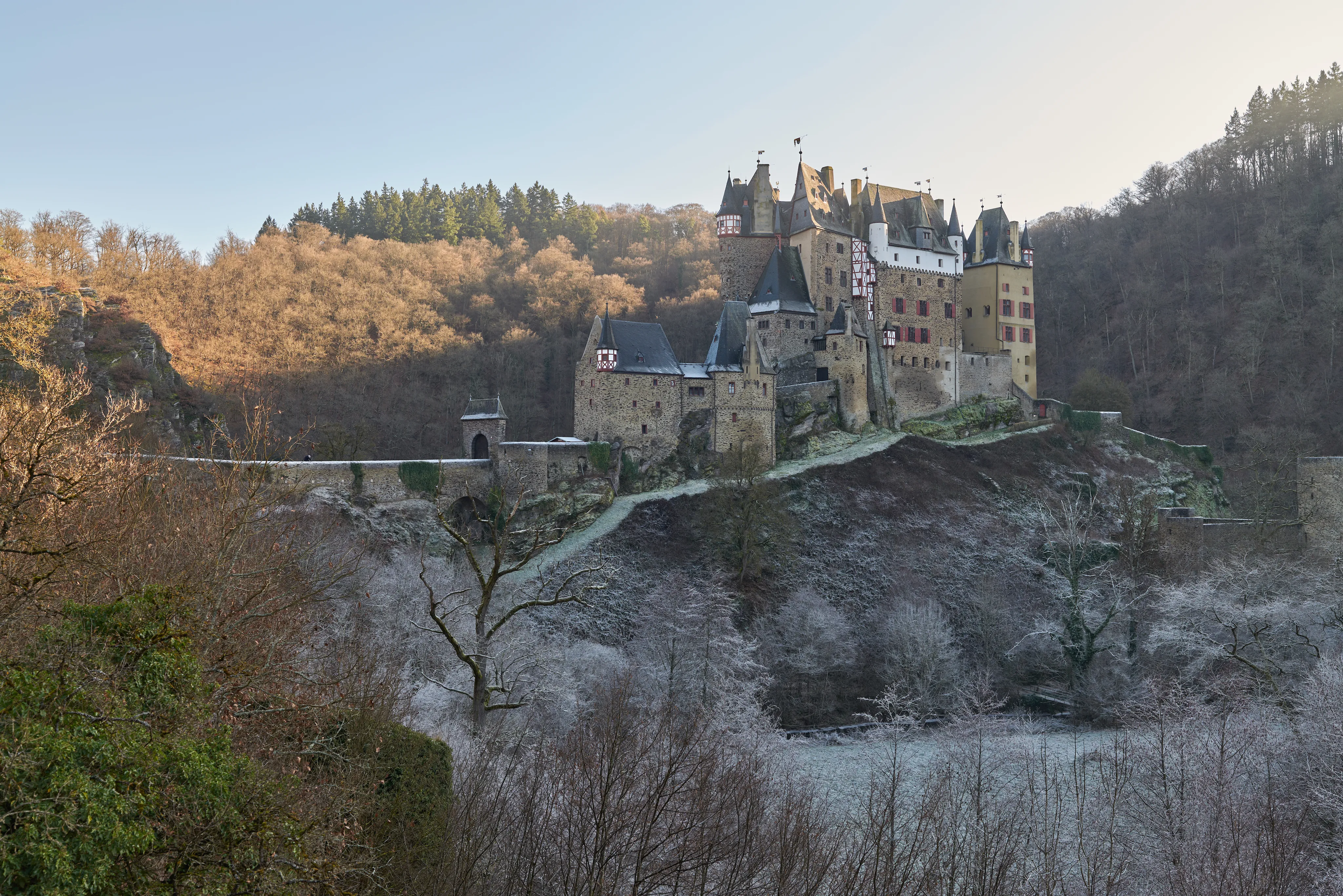
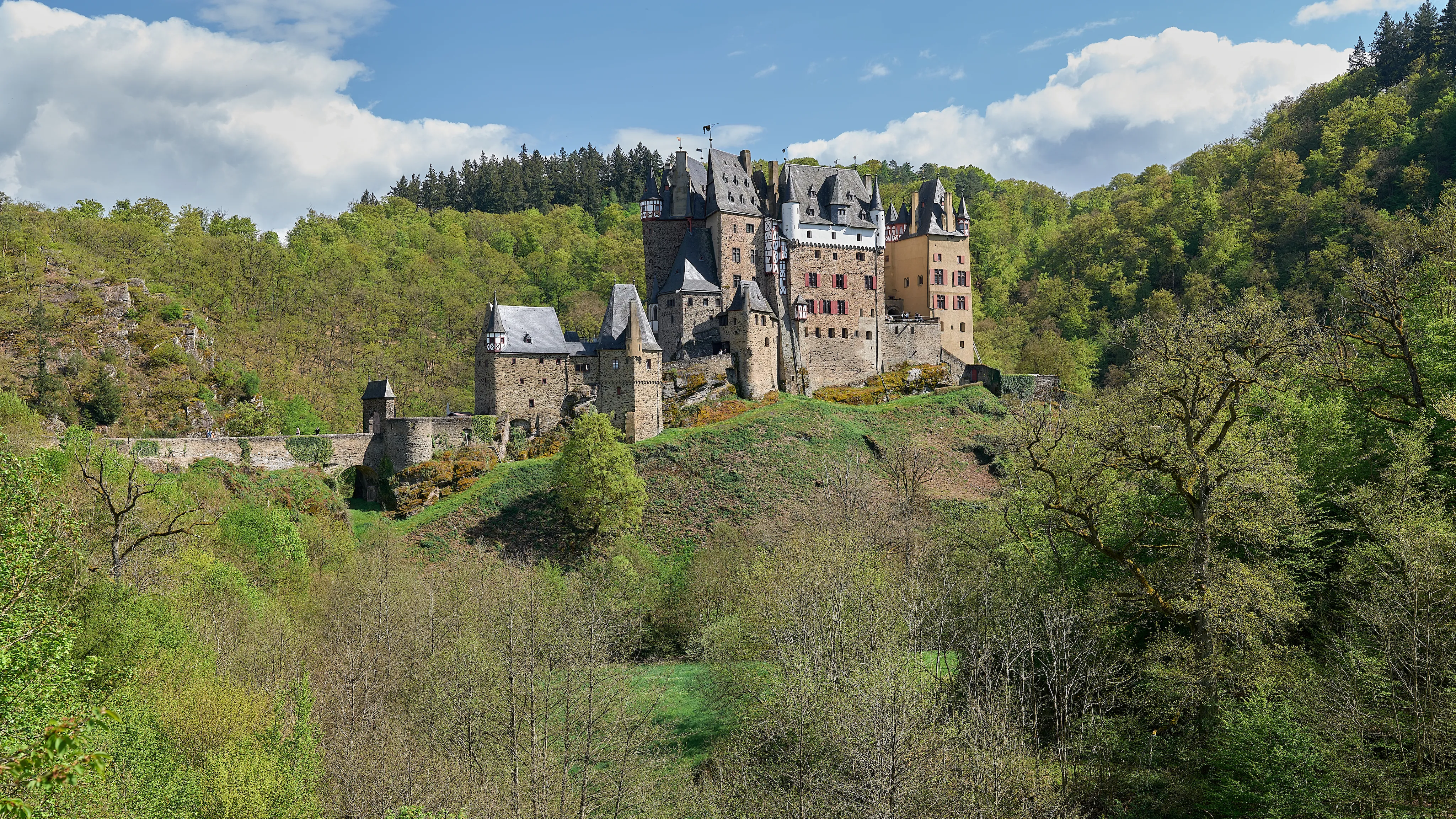
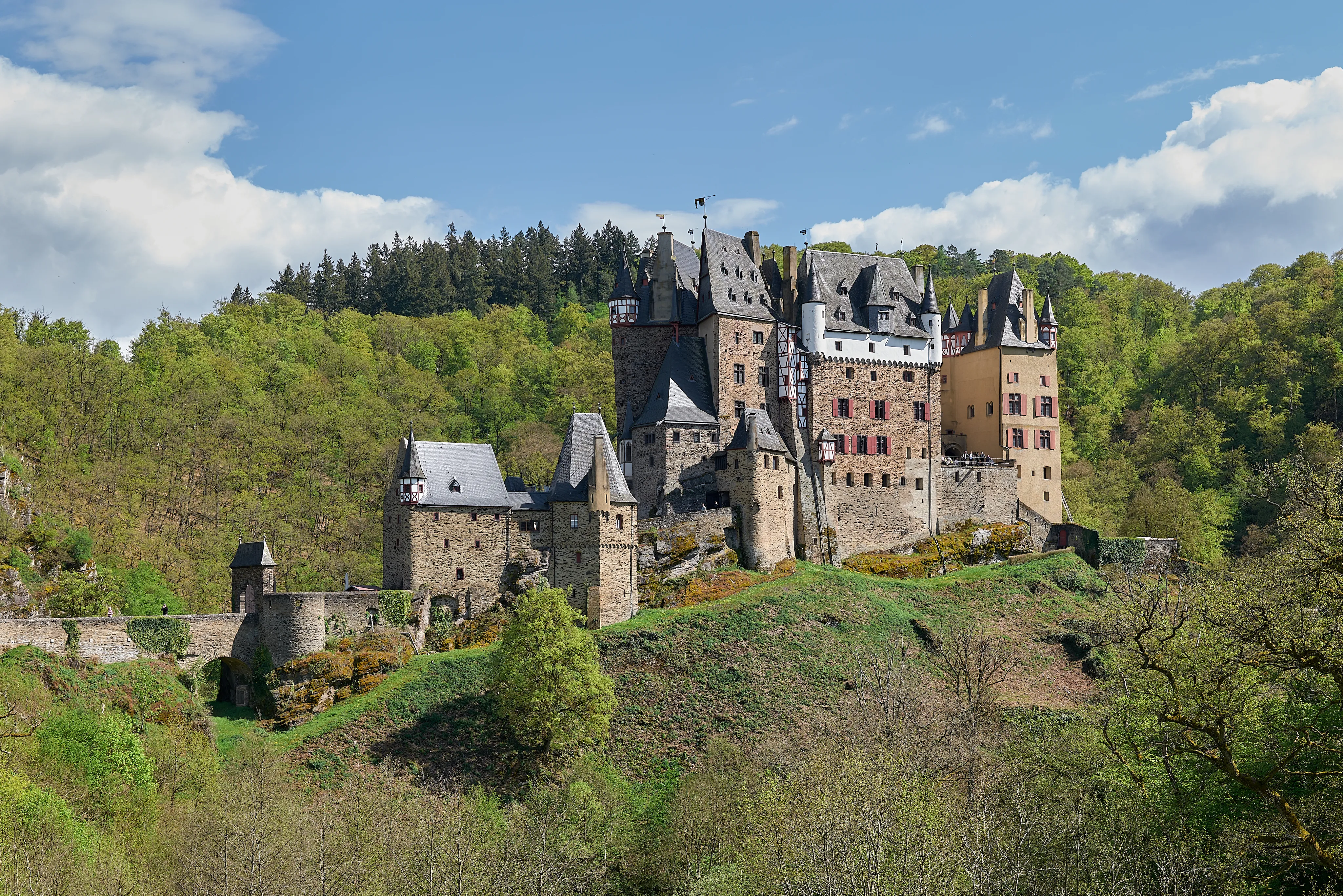
The castle stood on a rock surrounded by a bend in the stream. Its steep roofs, numerous oriel windows, wooden galleries, and stone walls looked as though they had grown out of the mountain itself. It did not resemble the perfectly symmetrical palaces of later eras. There was a sense of life within it. Each tower seemed to tell its own story, and every window appeared to look out upon the world with its own eyes. This is the first mystery of Eltz. It was not built by a single person, nor did it arise according to one unified plan. The castle grew over centuries, like an old tree. Its history dates back at least to the 12th century. As early as 1157, the documents of Emperor Frederick Barbarossa mention Rudolf von Eltz — a man who bore the name of his fortress. This means that the castle already existed at a time when knights in chain mail were an ordinary sight and the Holy Roman Empire was experiencing the height of its power. Almost nine hundred years have passed since then. During that time, states disappeared. Borders changed. Dynasties collapsed. Wars, epidemics, and revolutions swept across Europe. Yet Eltz remained where it was.
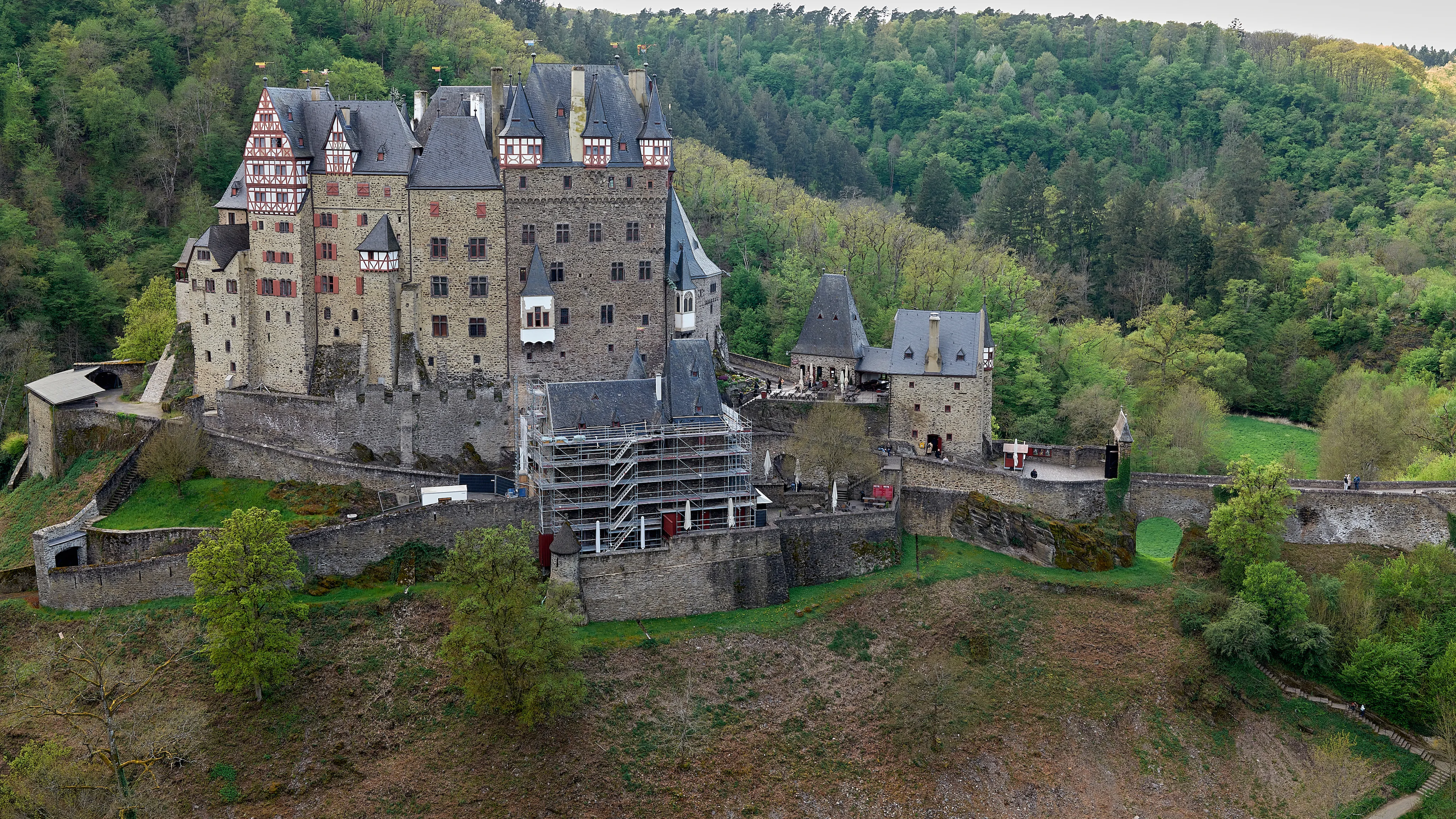
Even more remarkable is the fact that the castle has belonged to the same family for virtually all of this time. The history of the Eltz family is one of the most unusual stories in the European aristocratic tradition. In the 13th century, Rudolf’s descendants divided the family estate between three branches of the lineage. The brothers Elias, Wilhelm, and Theoderich agreed to share ownership of the castle, creating what was known as a “Ganerbenburg” — a fortress jointly owned by several heirs. Each branch of the family received its own part of the building and its own coat of arms. Thus emerged the branches of Eltz-Kempenich, Eltz-Rübenach, and Eltz-Rodendorf. For centuries, they lived side by side under one roof, expanding the castle upward and outward as far as the rock allowed.
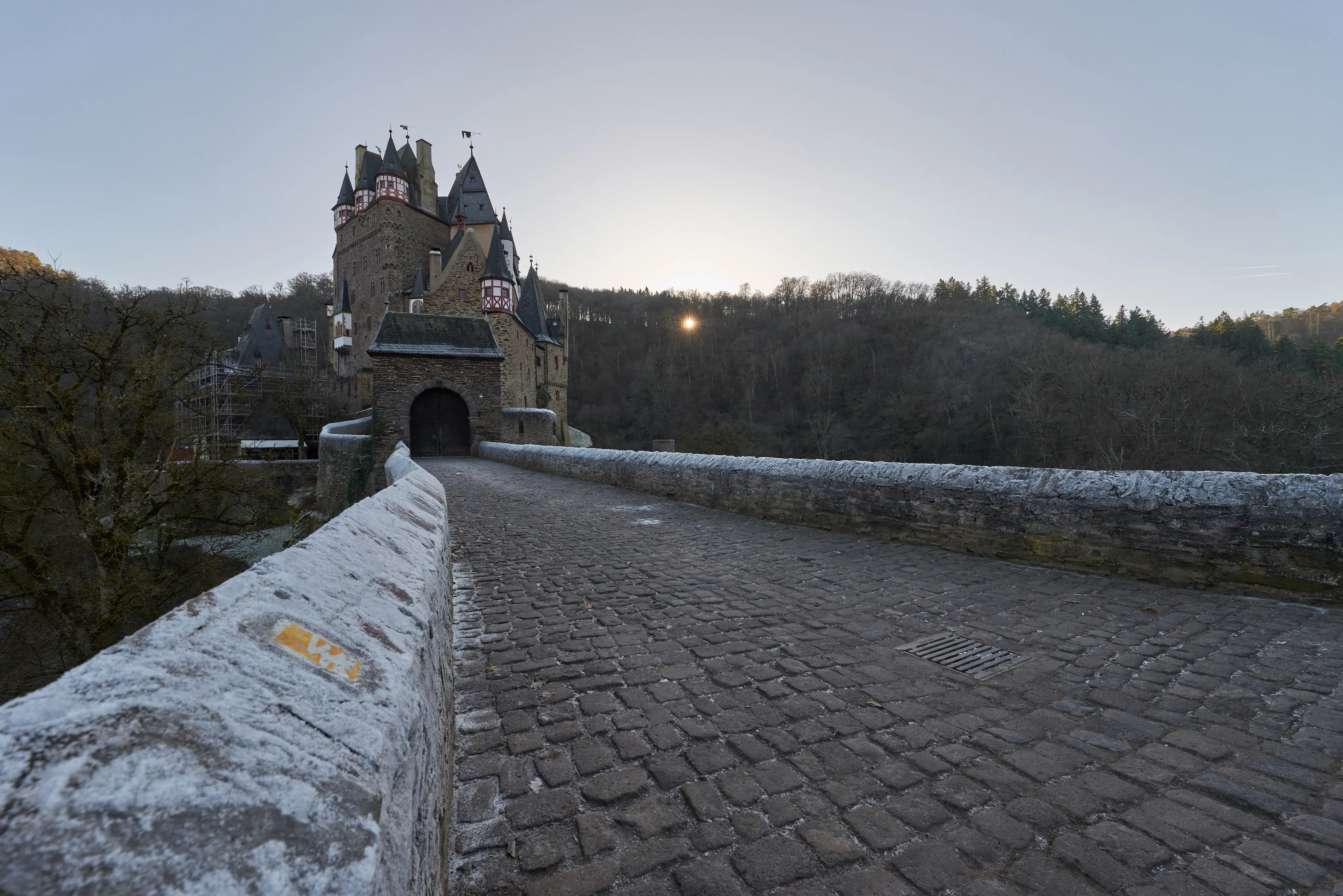
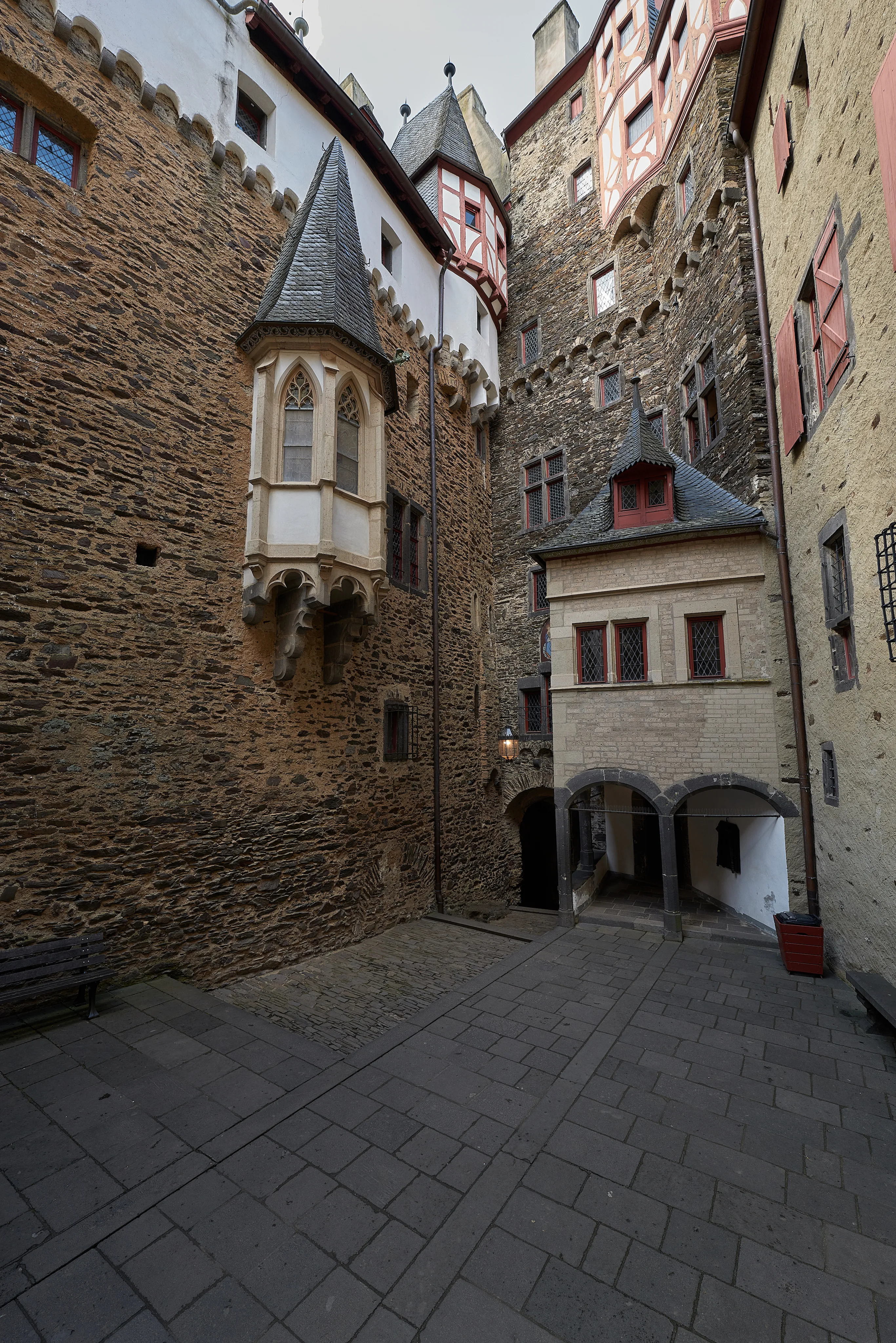
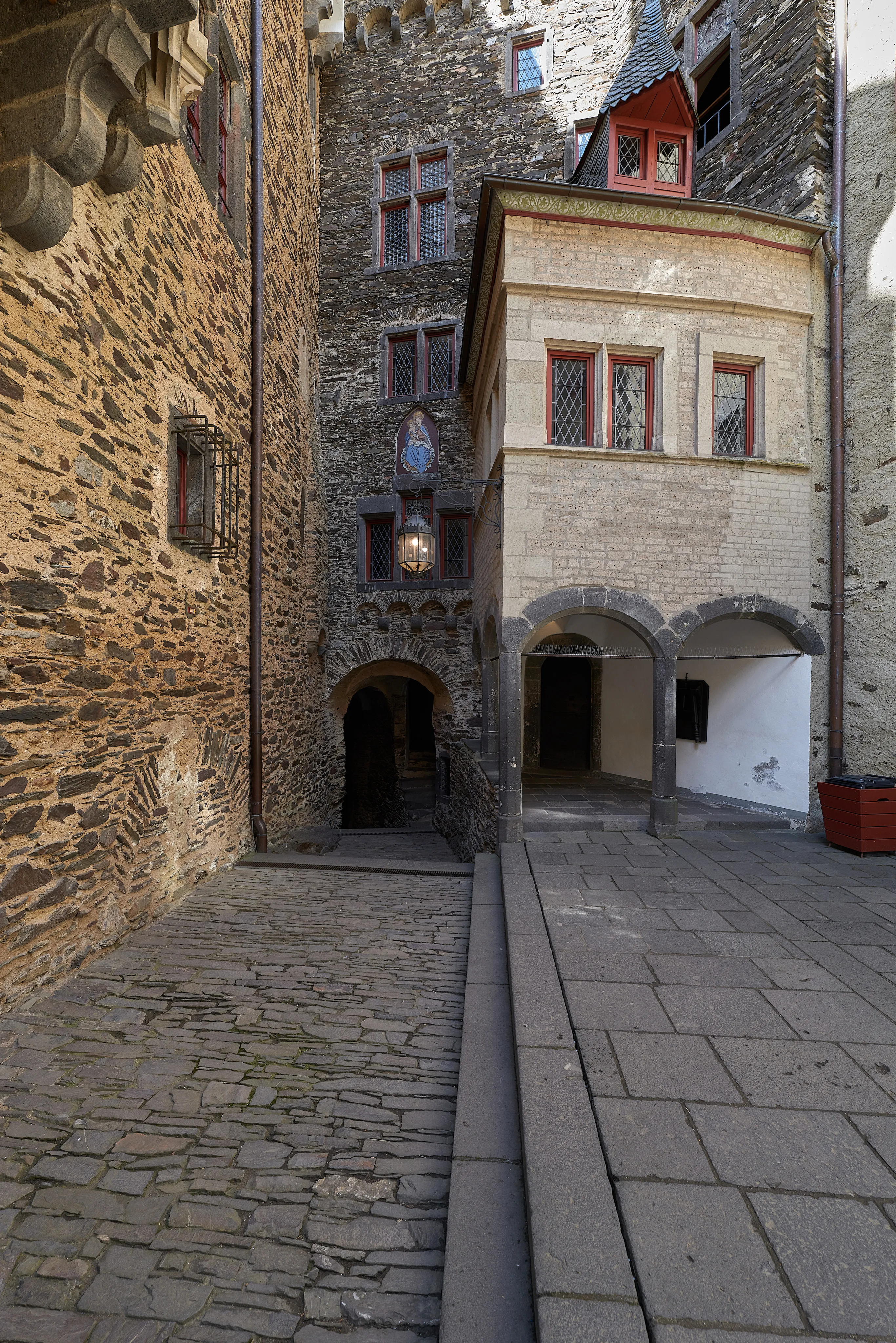
When you look at Eltz today, it becomes clear why it appears so unusual. It is not a single structure. It is an entire stone city created by relatives who were at once neighbors, allies, and, at times, rivals. Each tower reflects the character of its era. Some sections are austere and reminiscent of defensive fortifications. Others already reach toward the beauty and comfort of the Late Middle Ages.
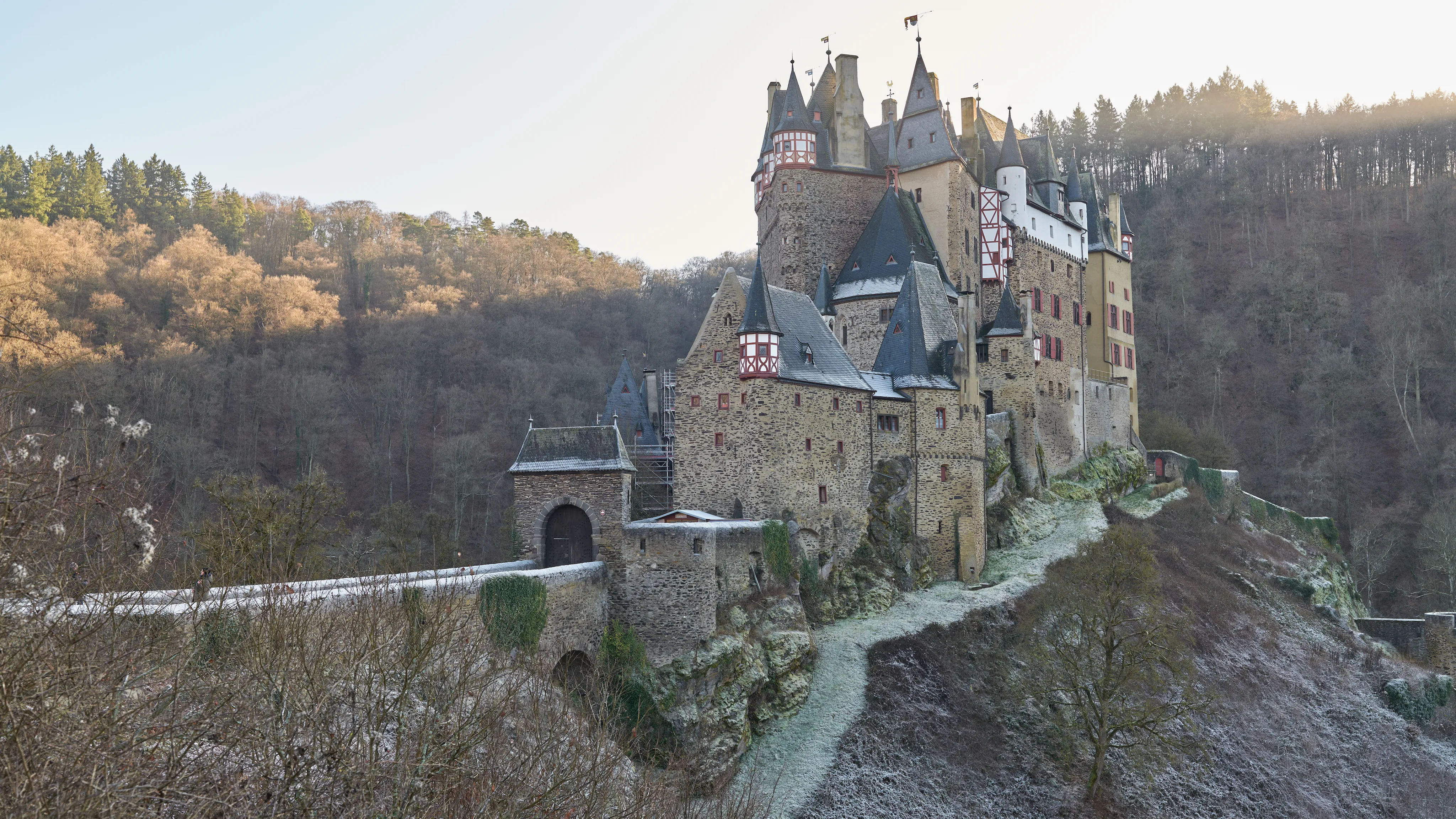
European history knows countless castles that eventually became ruins. Eltz was fortunate. It was as though geography itself protected it. The castle did not stand on an important trade route and did not control a strategically vital crossing. There was little military advantage in capturing it. Perhaps that is why it survived many of the catastrophes that destroyed hundreds of other fortresses. Yet it would be untrue to say that fate was always kind to Eltz. In the 14th century, the castle became involved in what is known as the Eltz Feud. The Archbishop of Trier sought to bring the rebellious knights under his control. To achieve this, a siege fortress was built opposite the castle. The confrontation lasted for several years. Today, visitors see the romantic silhouette of Eltz and rarely think about the fact that stones and arrows once flew toward these walls. In the end, the owners were forced to acknowledge the archbishop’s authority, but the castle itself survived. It endured the conflict and retained its character. There is something symbolic in this: Eltz seems always to have preferred to endure rather than to conquer.
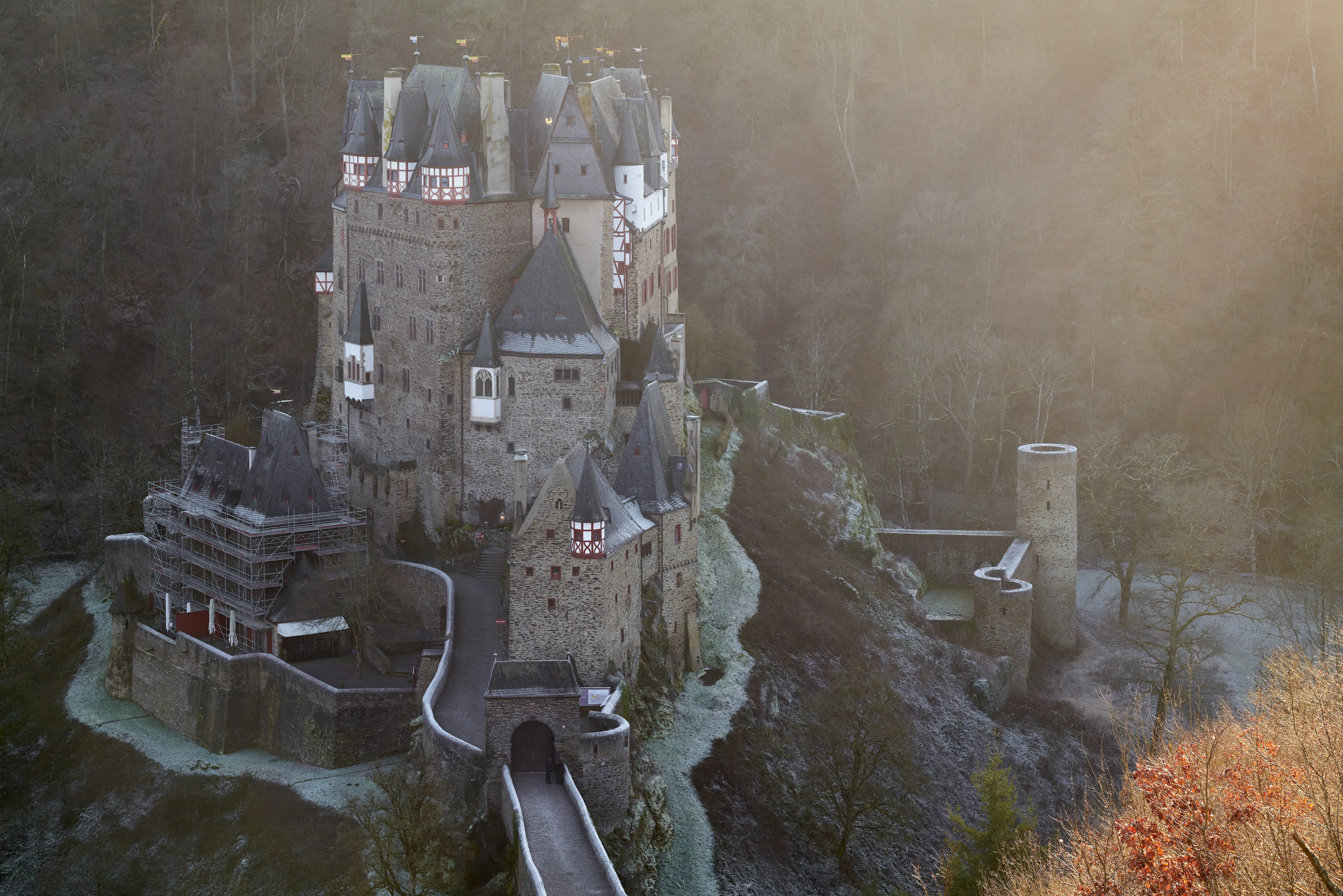
Walking through the inner courtyards, you begin to understand that the castle’s greatest treasure is not its walls, but its memory. Here, virtually every stone bears the traces of centuries that have passed. In the Knights’ Hall, one can see unusual depictions of fools’ heads. At first glance, they appear to be merely decorative elements. But their meaning is much deeper. In the medieval tradition, the fool was the only person who was allowed to speak the truth without fear of punishment. These faces remind us of freedom of speech while also warning against human pride. According to medieval thinking, there was only one step between wisdom and foolishness.
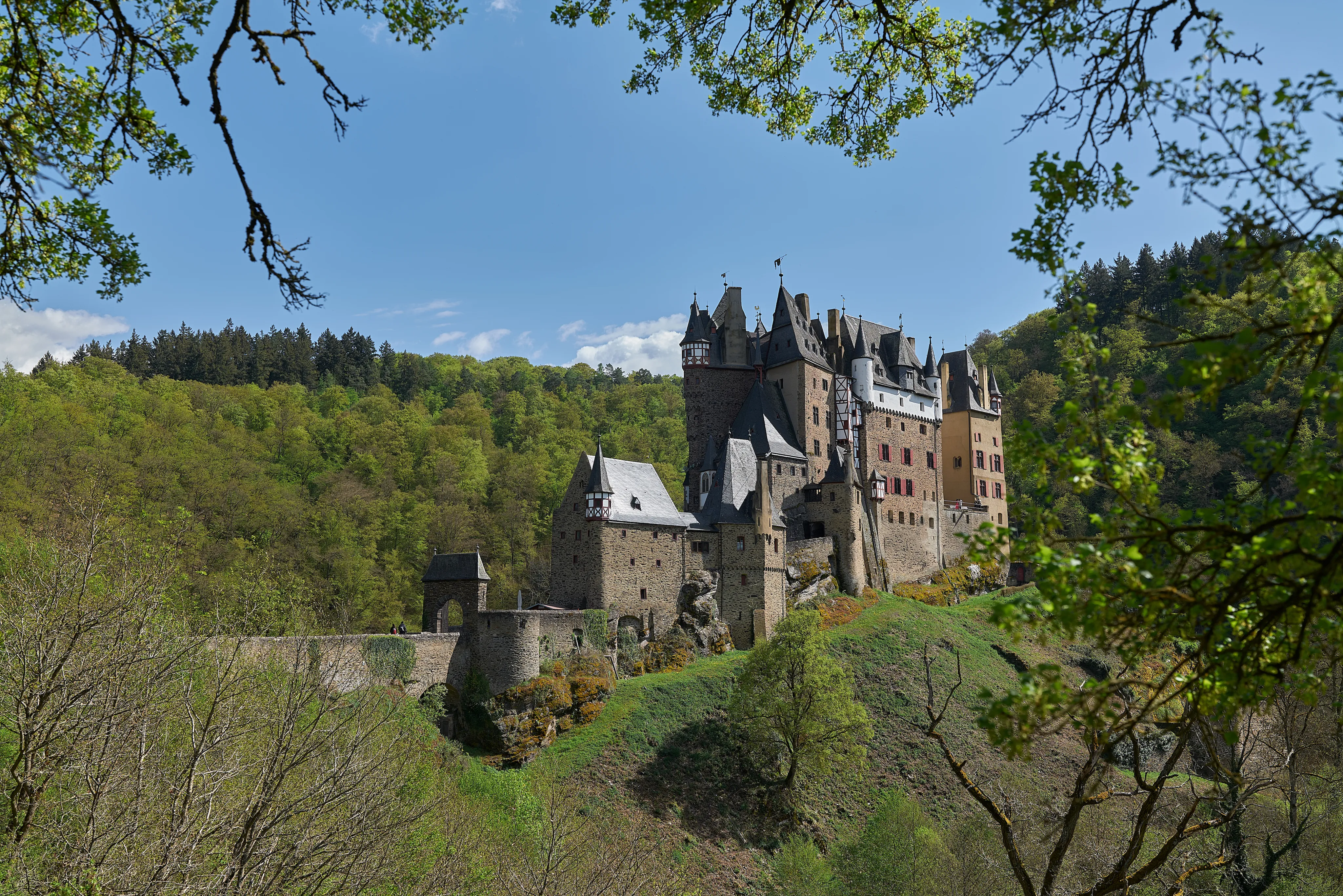
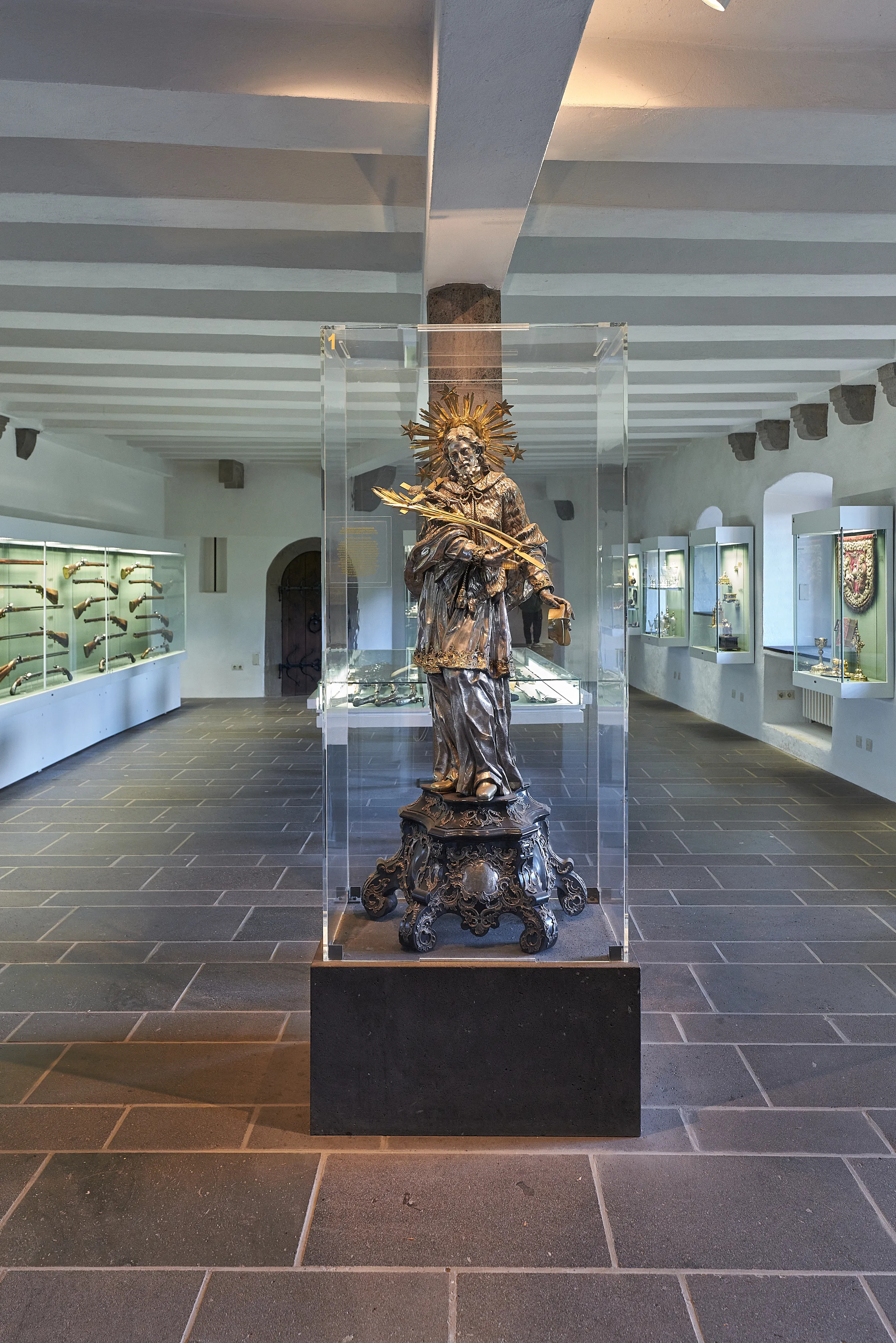
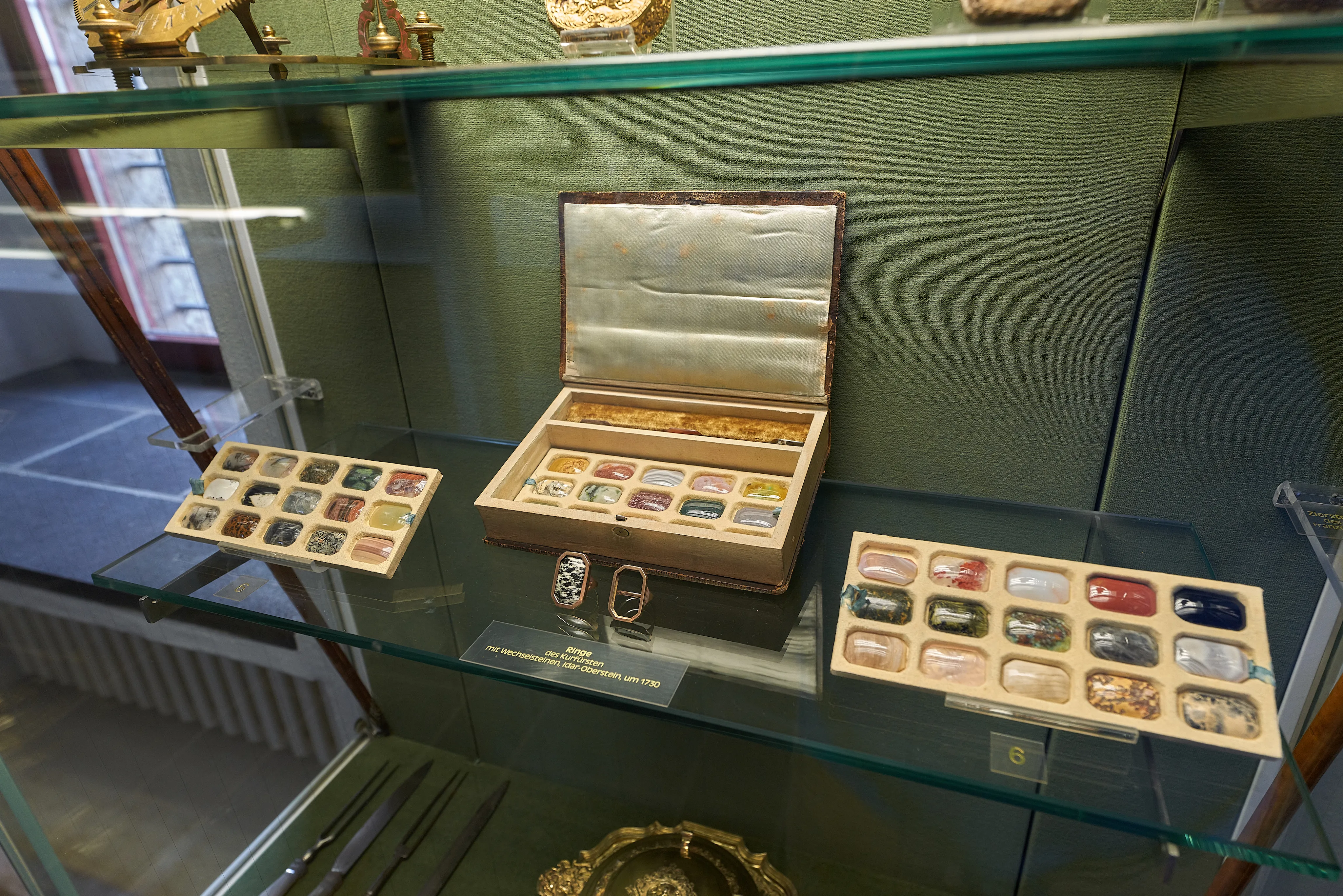
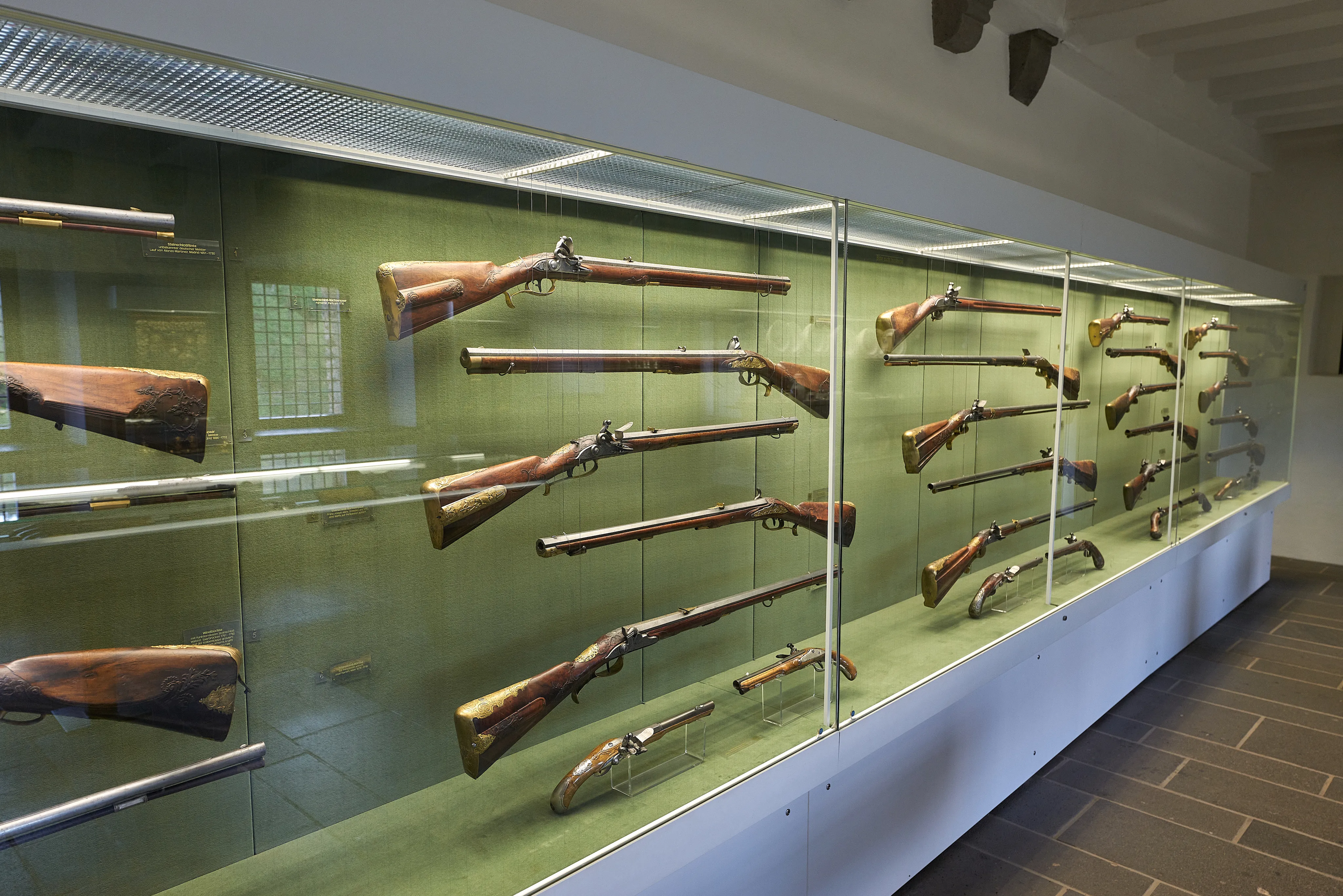
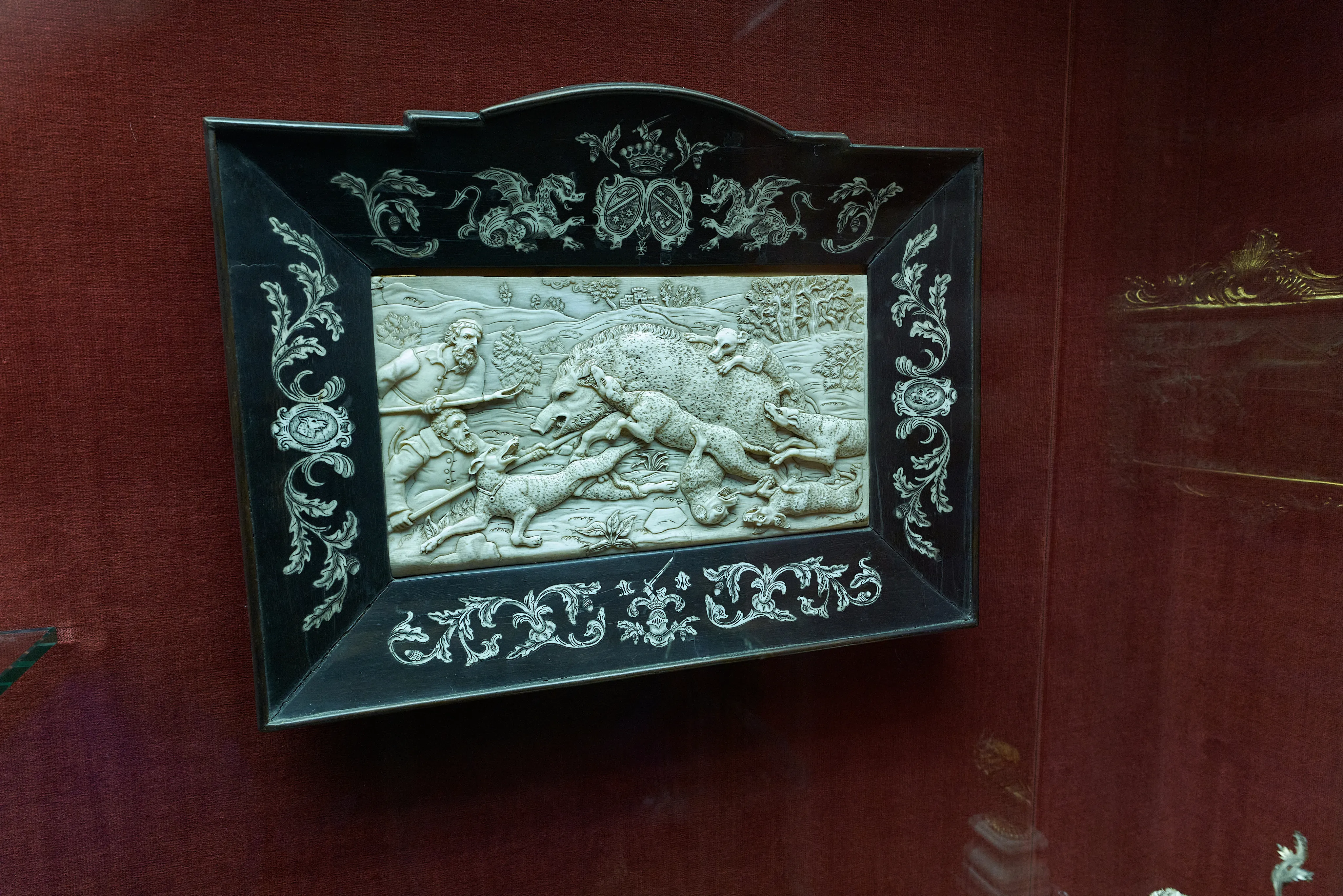
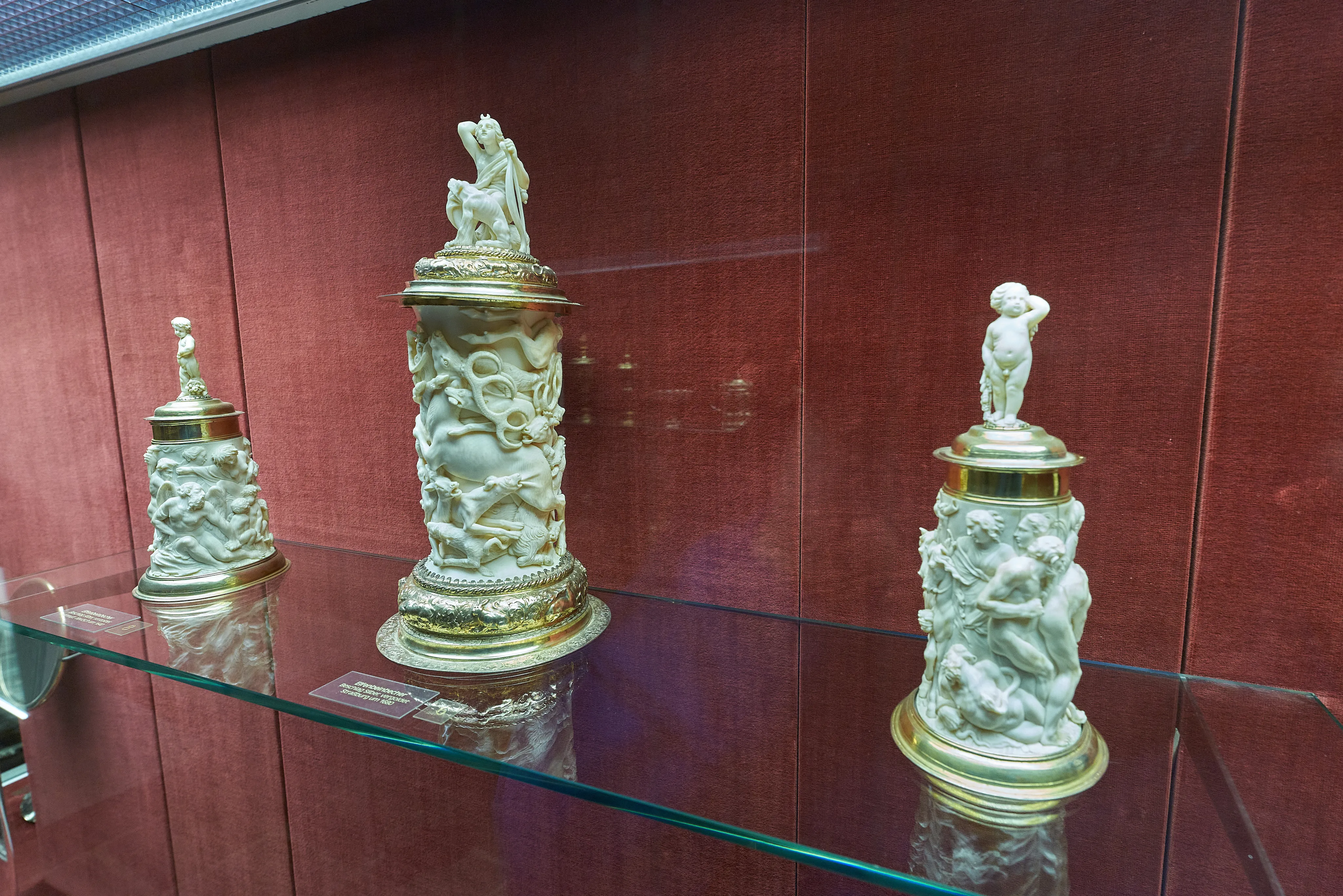
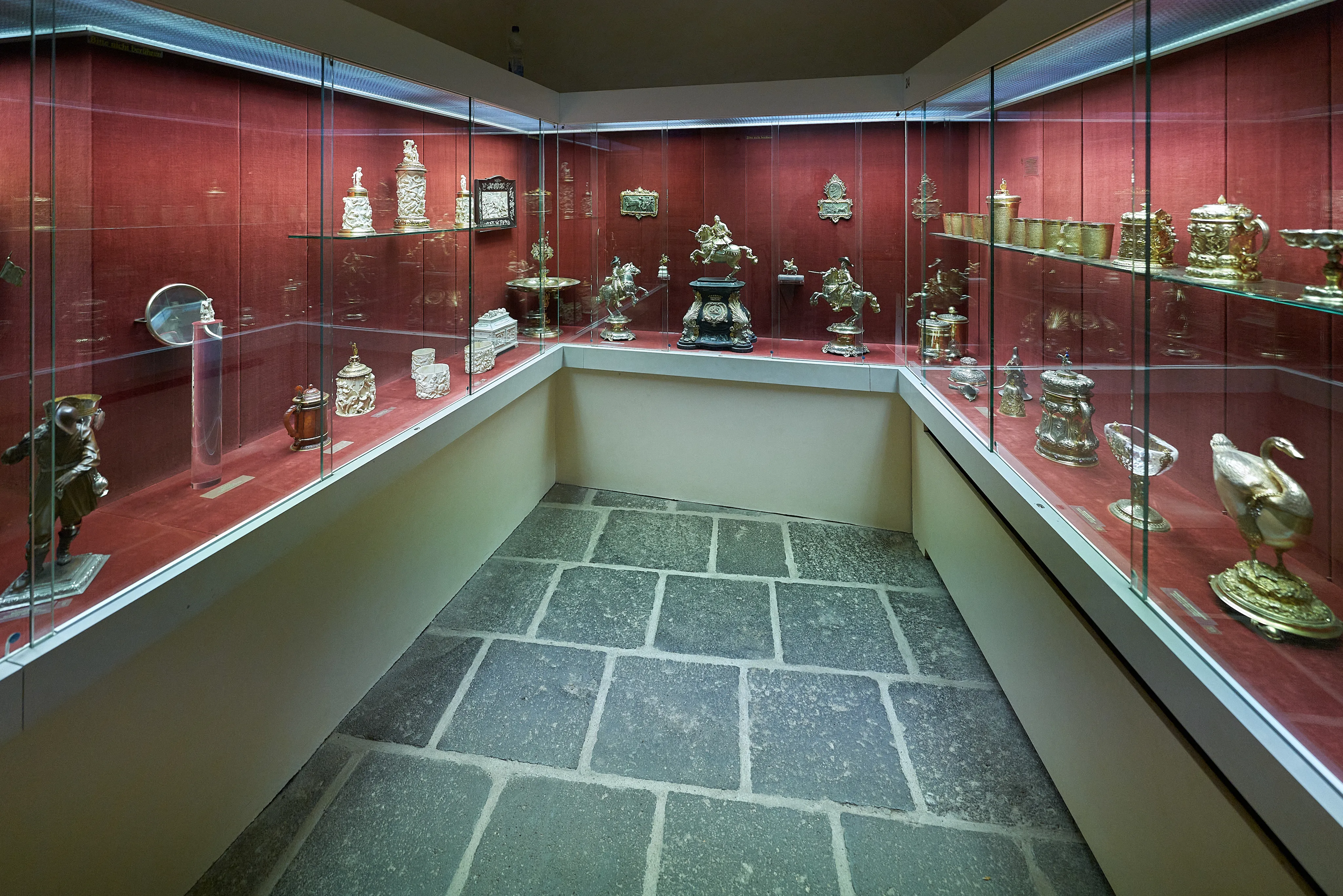
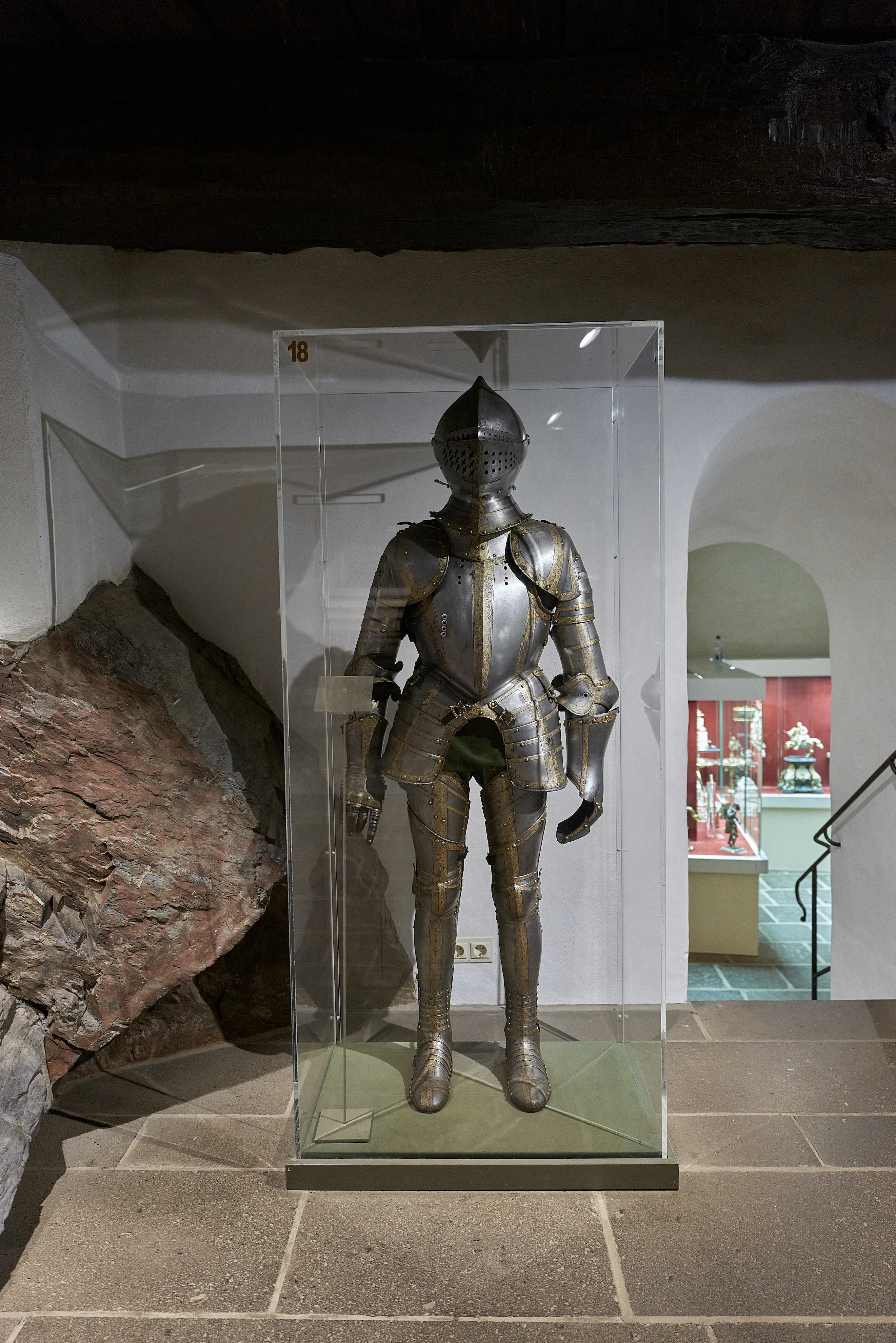
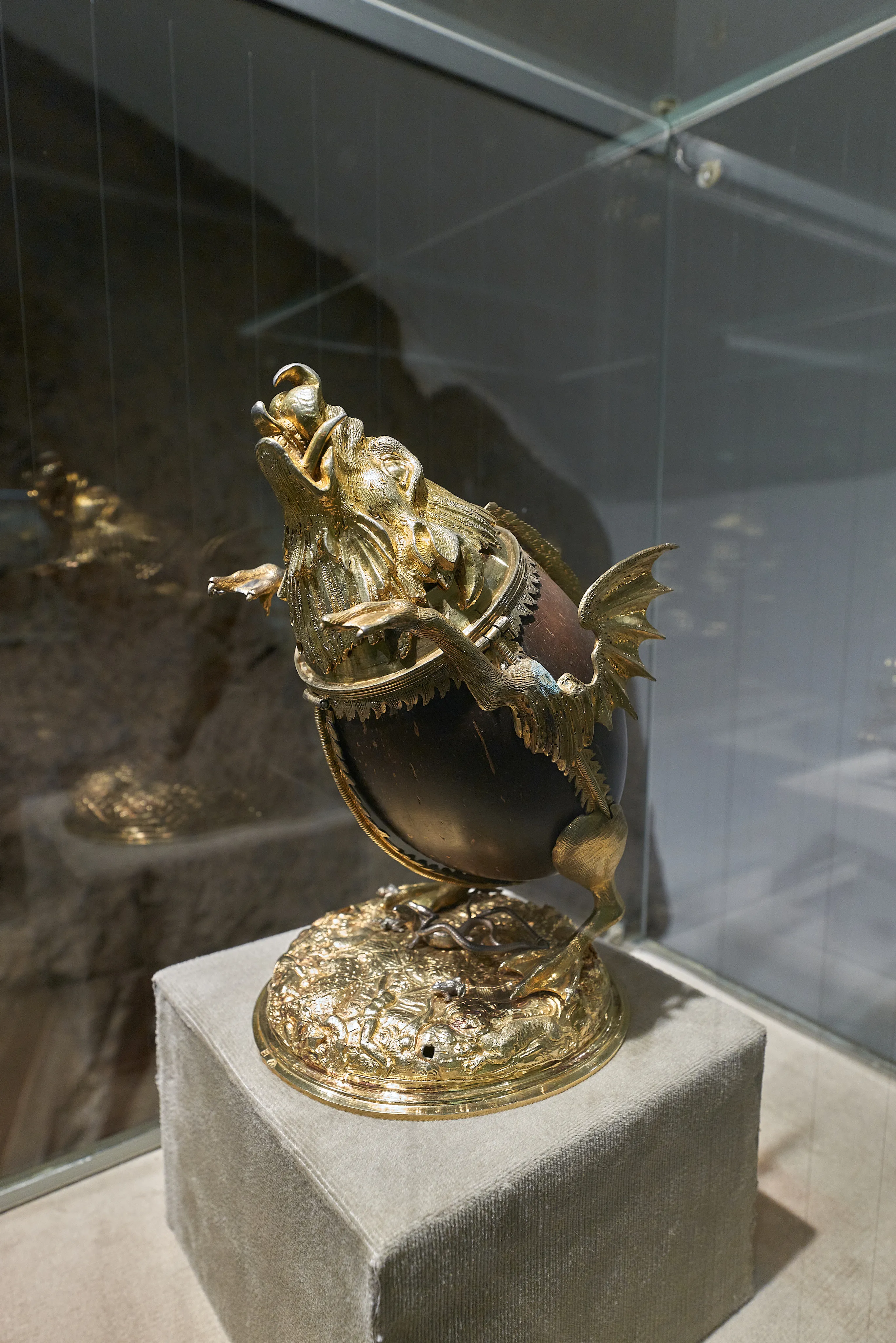
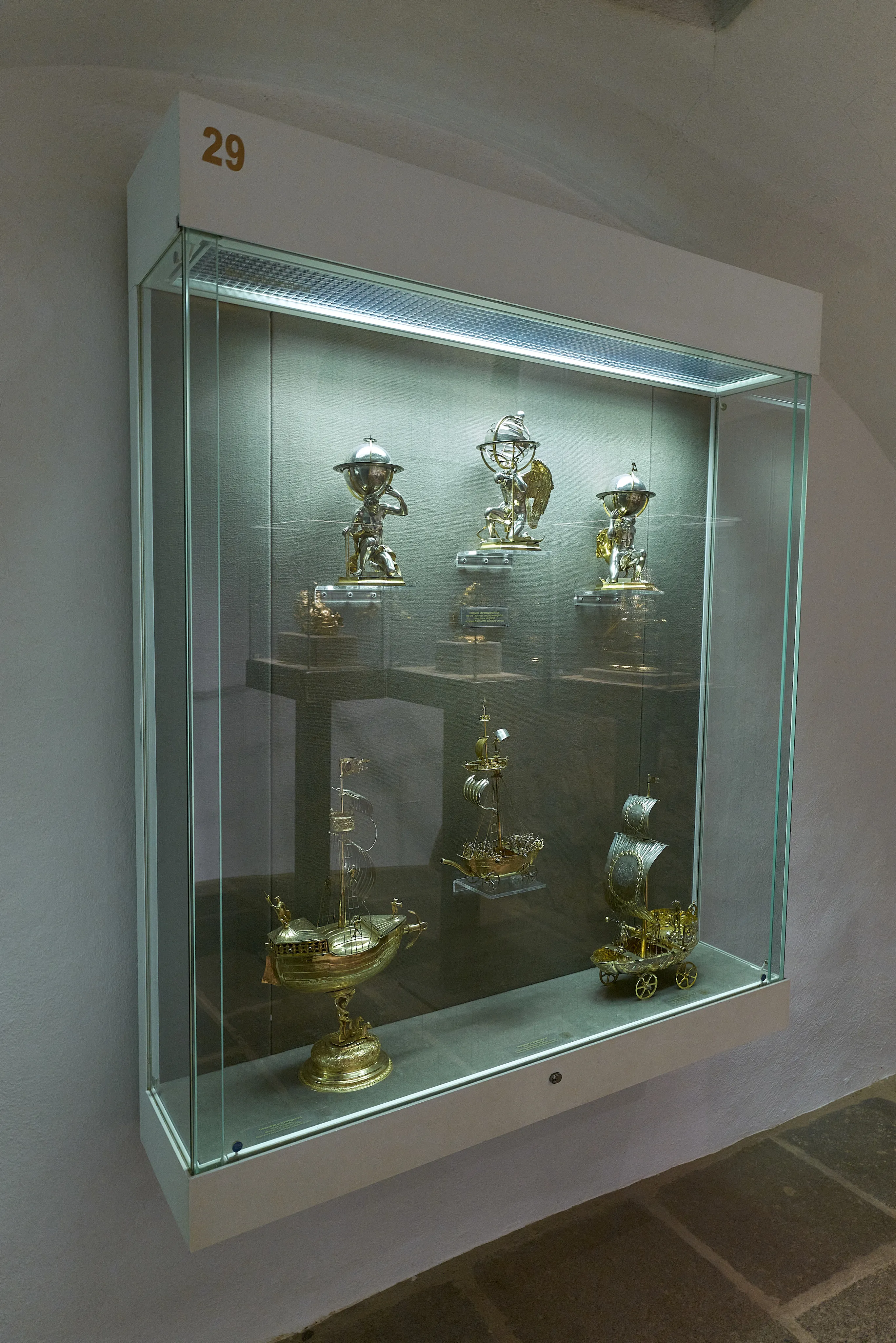
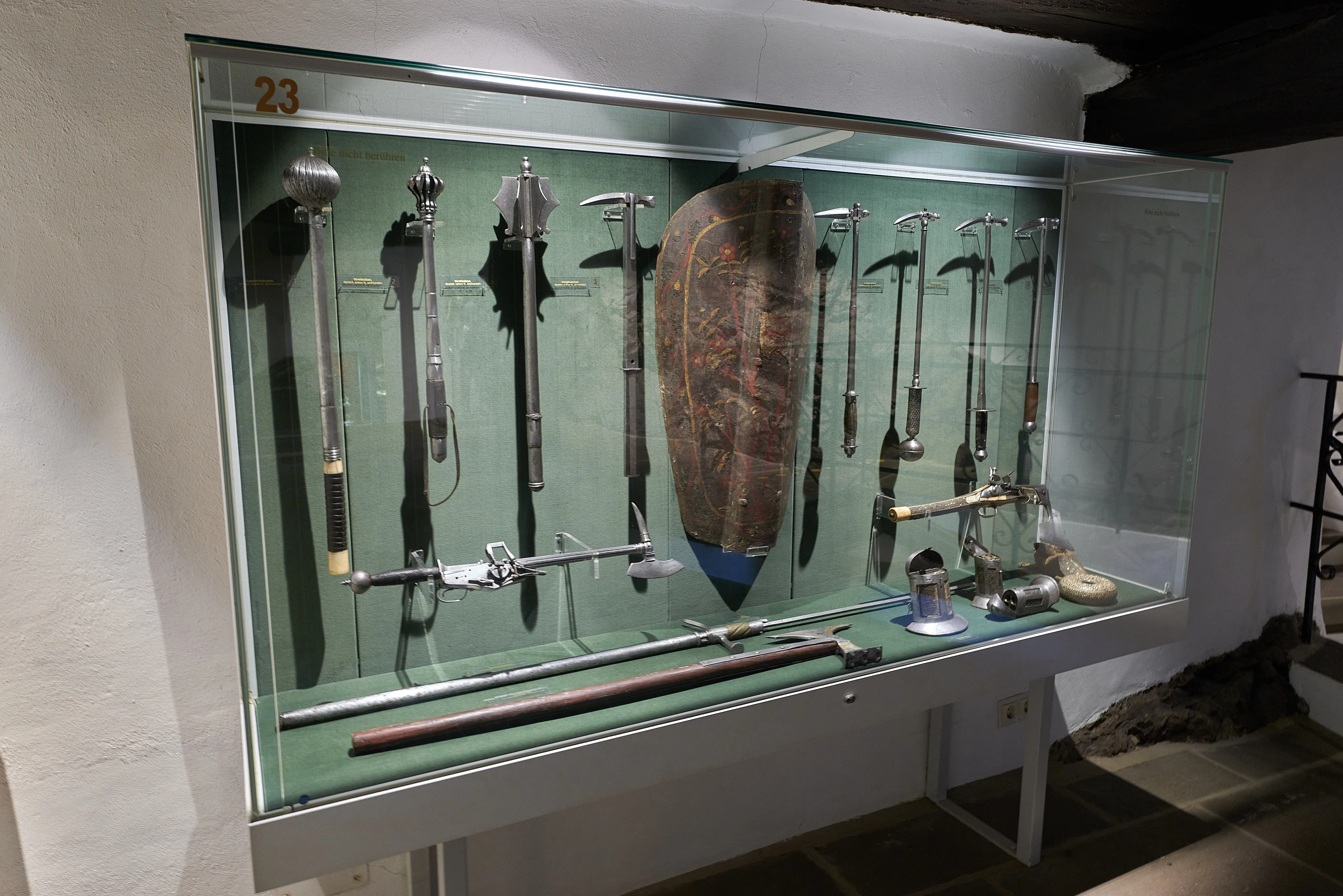
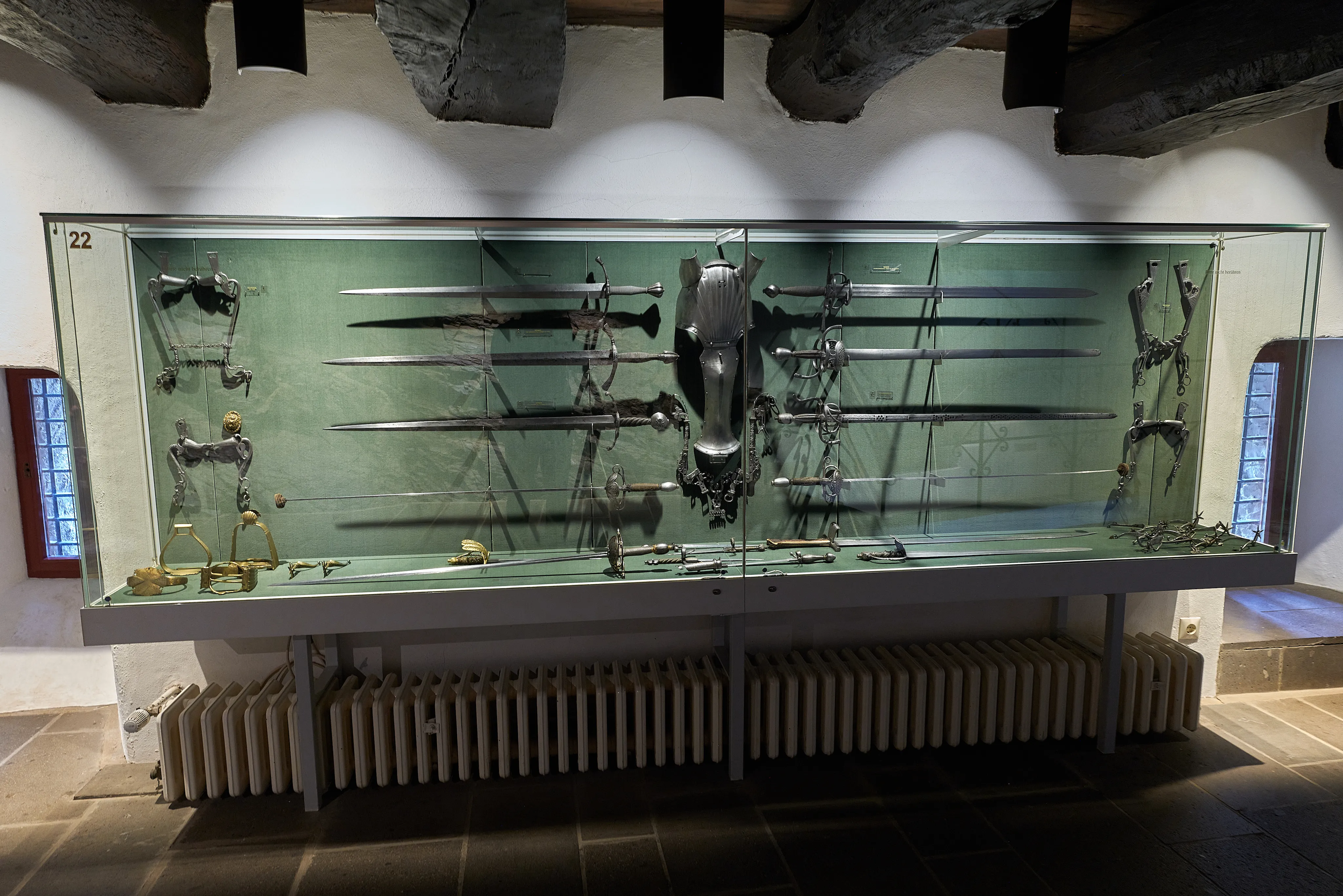
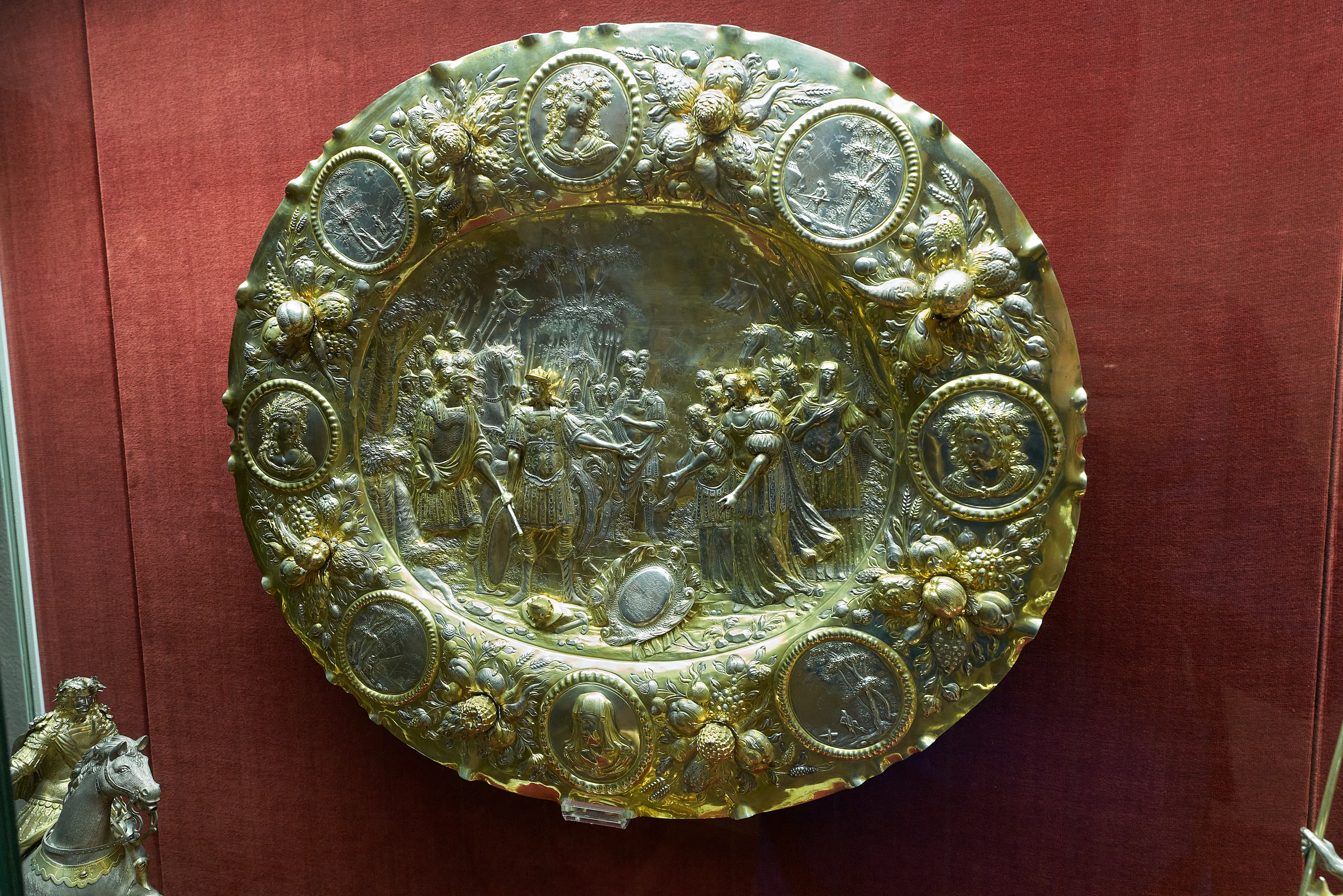
There is another symbol here as well — the rose of silence. It appears in the castle’s interiors as a sign of trust. Everything said under its protection was supposed to remain a secret. Perhaps it was beneath such roses that family alliances, the fate of estates, and decisions affecting generations were once discussed. But the treasury makes an especially powerful impression. In many museums, treasures look like exhibits. At Eltz, they seem to be part of a living family history. The castle houses one of Germany’s most significant private collections of medieval art. Precious goblets, silverware, jewelry, weapons, religious relics, and everyday objects tell the story not of kings from textbooks, but of real people who lived within these walls. Many of these objects survived wars, revolutions, and changing eras. They have reached our time not because they were buried in the ground, but because generations of the Eltz family carefully passed them on to their heirs.
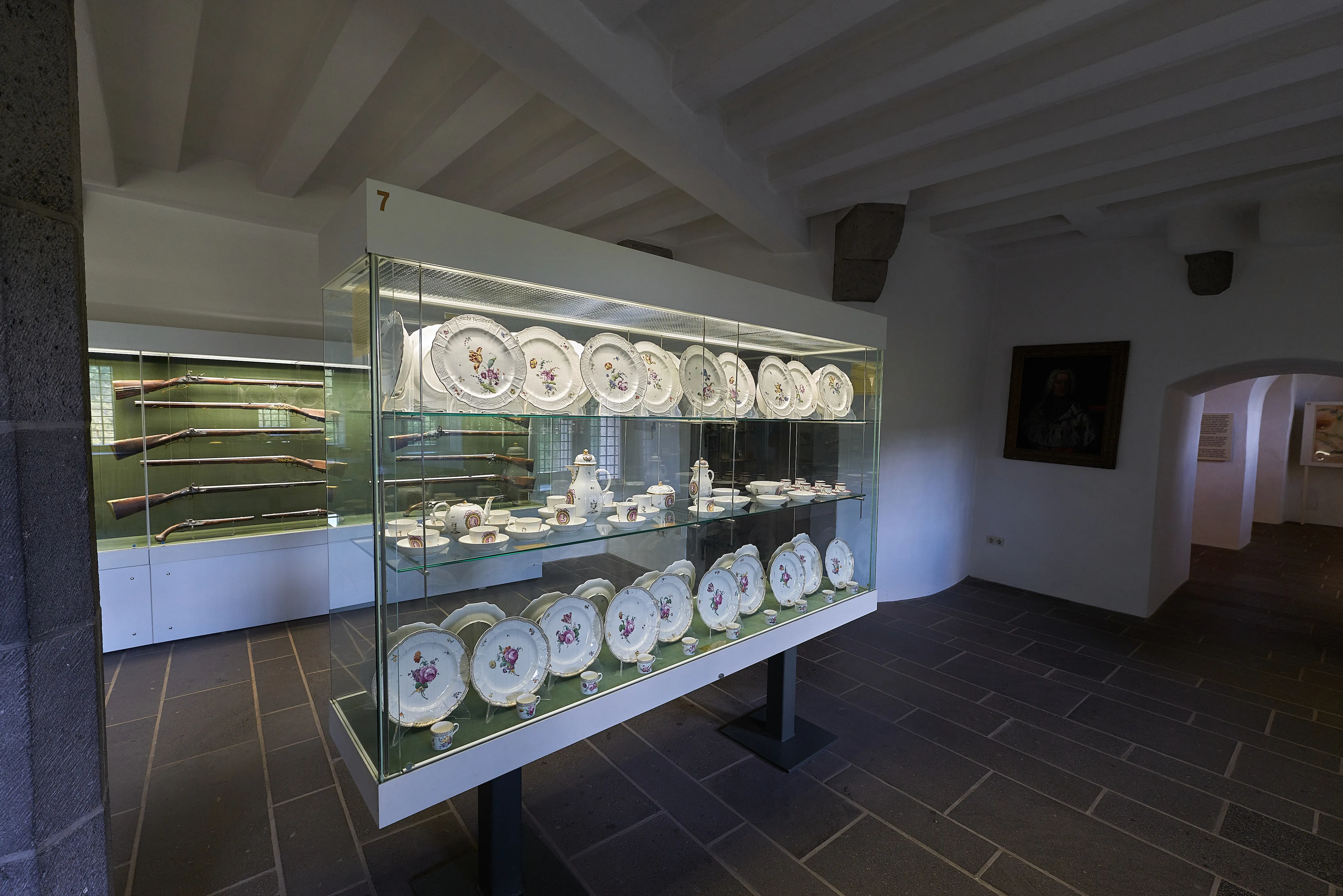
What is particularly striking is the thought of continuity through time. When you look at a 15th-century goblet, an almost childlike sense of wonder arises: perhaps it was once held by someone who looked out at the same forests through the window, heard the same wind, and saw the same stars above the valley. The castle preserves not only objects, but also the character of its owners. Among the members of the family were people whose influence extended far beyond these walls. Jakob III von Eltz became Elector of Trier, while Philipp Karl von Eltz became Elector of Mainz and Archchancellor of the Holy Roman Empire. Their names are connected with major political events of their time. And yet, despite their high offices, they did not forget their ancestral castle and took part in preserving it. Perhaps this is the true secret of Eltz.
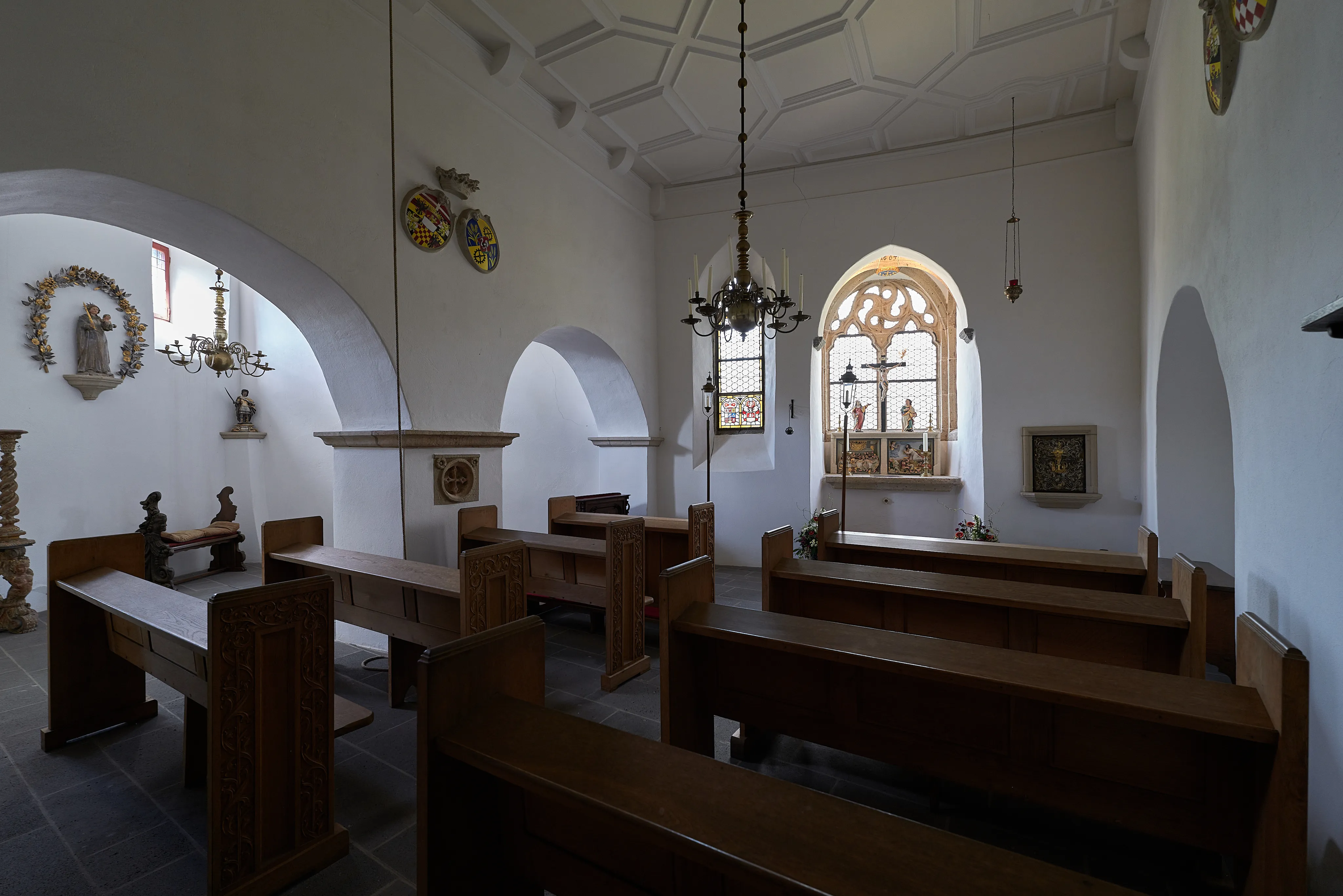
Most ancient fortresses belong to history. Eltz belongs simultaneously to history and to the present. There is no sense of abandonment here. No museum-like sterility. The castle continues to live. The Eltz family remains connected to it. More than thirty generations of owners have come and gone over the centuries, yet the thread has never been broken. For Europe, where entire royal houses disappeared under the weight of time, this is almost a miracle.
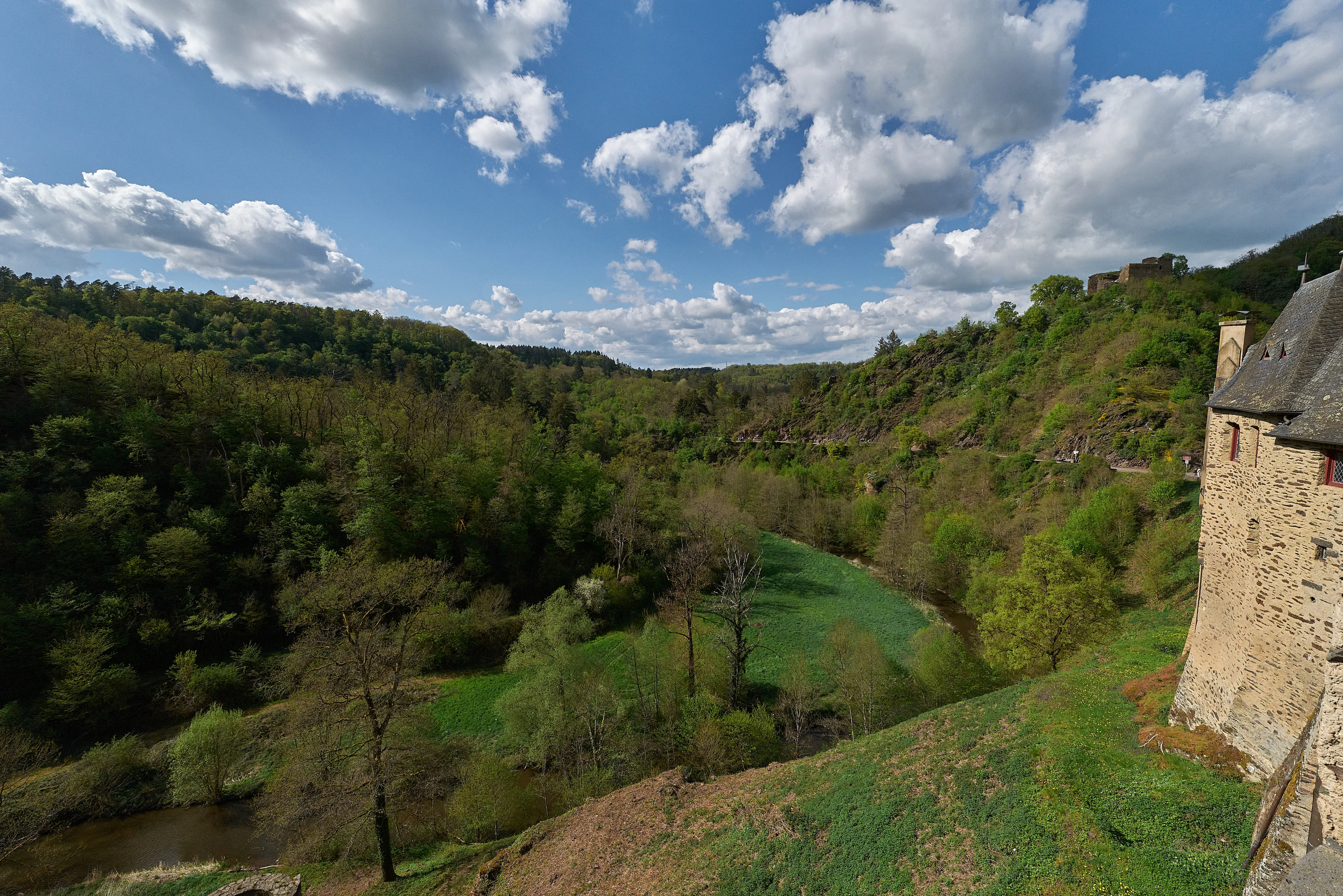
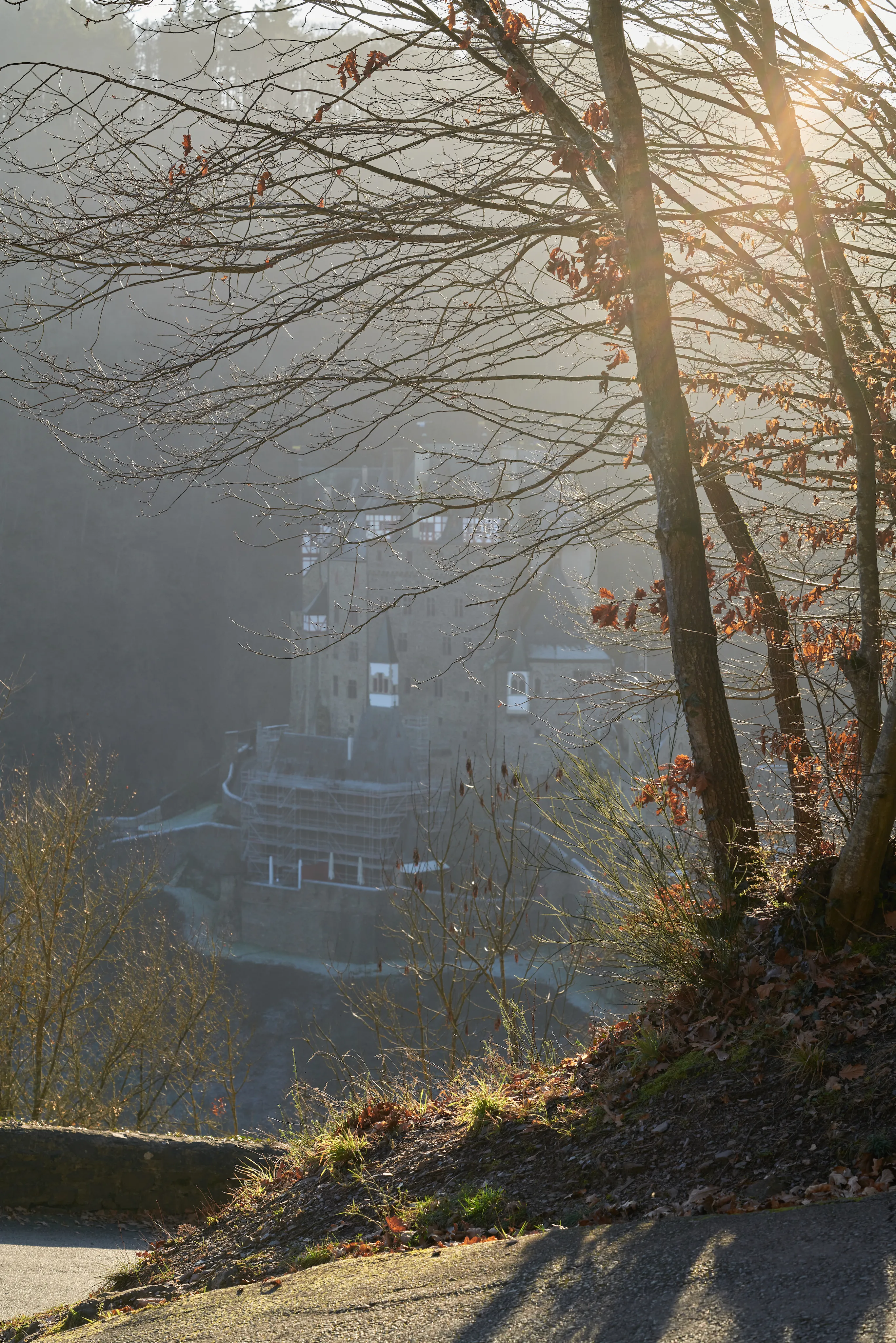
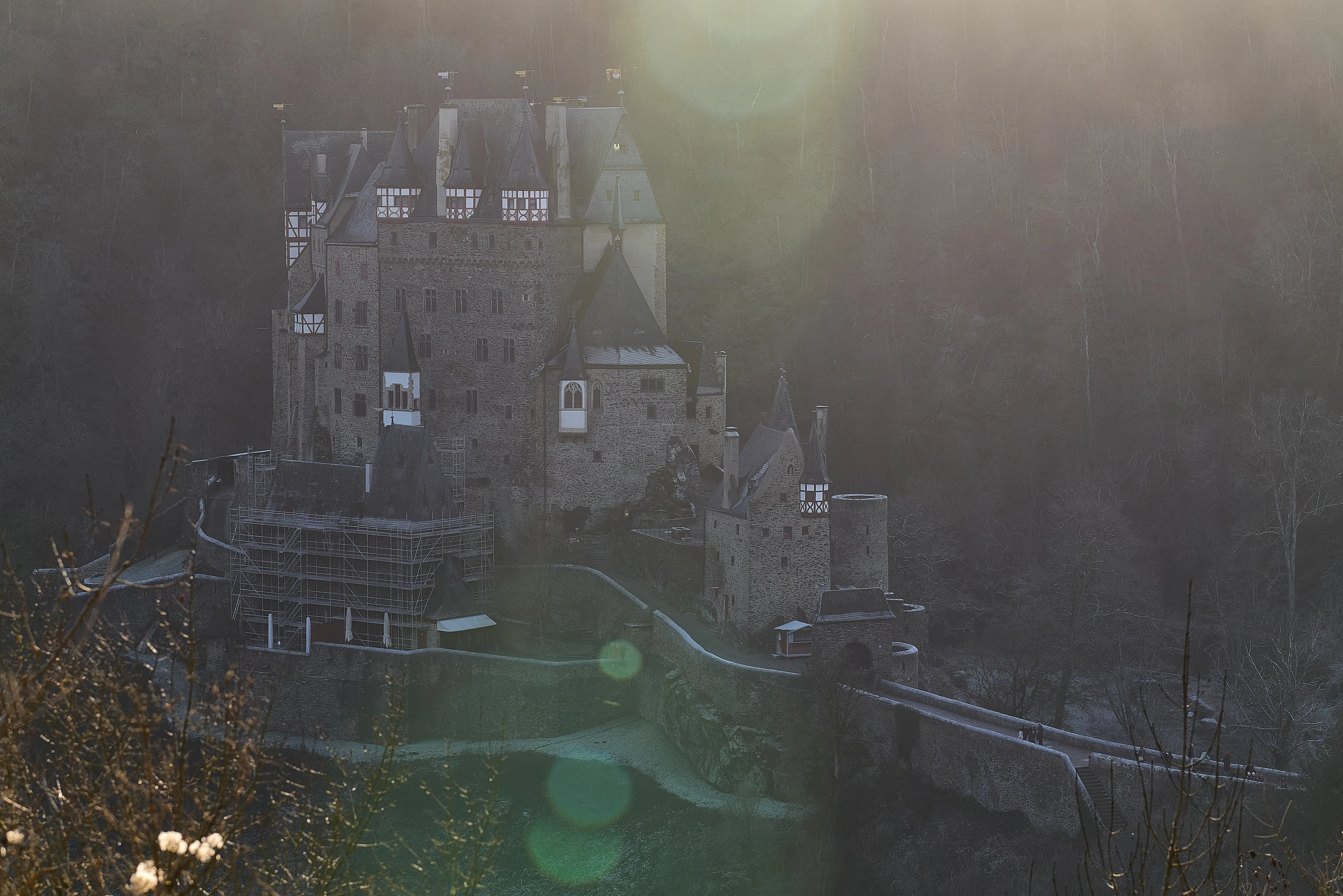
When the evening sun begins to sink behind the hills, the castle changes. Its walls take on a golden hue. The towers begin to resemble the masts of a ship frozen among the waves of the forest. At such moments, it is easy to believe in legends. And there are plenty of legends surrounding Eltz. Old tales speak of knights returning home after distant campaigns. Of secret engagements made against the wishes of relatives. Of ghostly figures said to appear in the towers during thunderstorms. Historians treat such stories with caution, and rightly so. But legends are not meant to provide accuracy. They exist to convey the atmosphere of a place. Every ancient castle creates its own mythology around itself. Eltz does this particularly well. It hides in the forested valley as though it does not want to be found. Unlike many other fortresses, it cannot be seen from a great distance. It appears unexpectedly. And that is precisely why encountering it feels like a discovery.
I stood on the viewpoint for a long time before leaving. The tourists gradually dispersed. The voices faded. The forest reclaimed its right to silence. And then it seemed to me that the real Eltz Castle was not its walls or towers. It was the very idea of continuity. We live in a world where everything changes too quickly. Cities are rebuilt within decades. Companies appear and disappear within years. Even human memory seems to be growing shorter. Against this background, Eltz seems almost impossible. For nine centuries, one family has preserved one home. Not without conflicts, not without trials, not without mistakes, but preserved it nonetheless. Perhaps that is why a journey here feels like more than a tour. It is an encounter with time. With that rare kind of time that does not destroy, but accumulates. With the kind of time that knows how to turn human life into history, history into legend, and legend into stone.
As I walked away along the forest trail, the castle gradually disappeared among the trees. The towers dissolved into the evening mist, as though returning to their familiar state of half-sleep. The highest roof was the last to disappear. And suddenly I thought that Eltz was like an old guardian of Europe, one who has survived countless human destinies and knows something that books do not. It has stood there for almost nine centuries. It stands not in defiance of time, but together with it. And that is why everyone who sees it among the forests of the Moselle will carry away more than a memory of a beautiful castle. They will carry with them the feeling of having touched something extraordinarily rare — living history.
Gallery